-
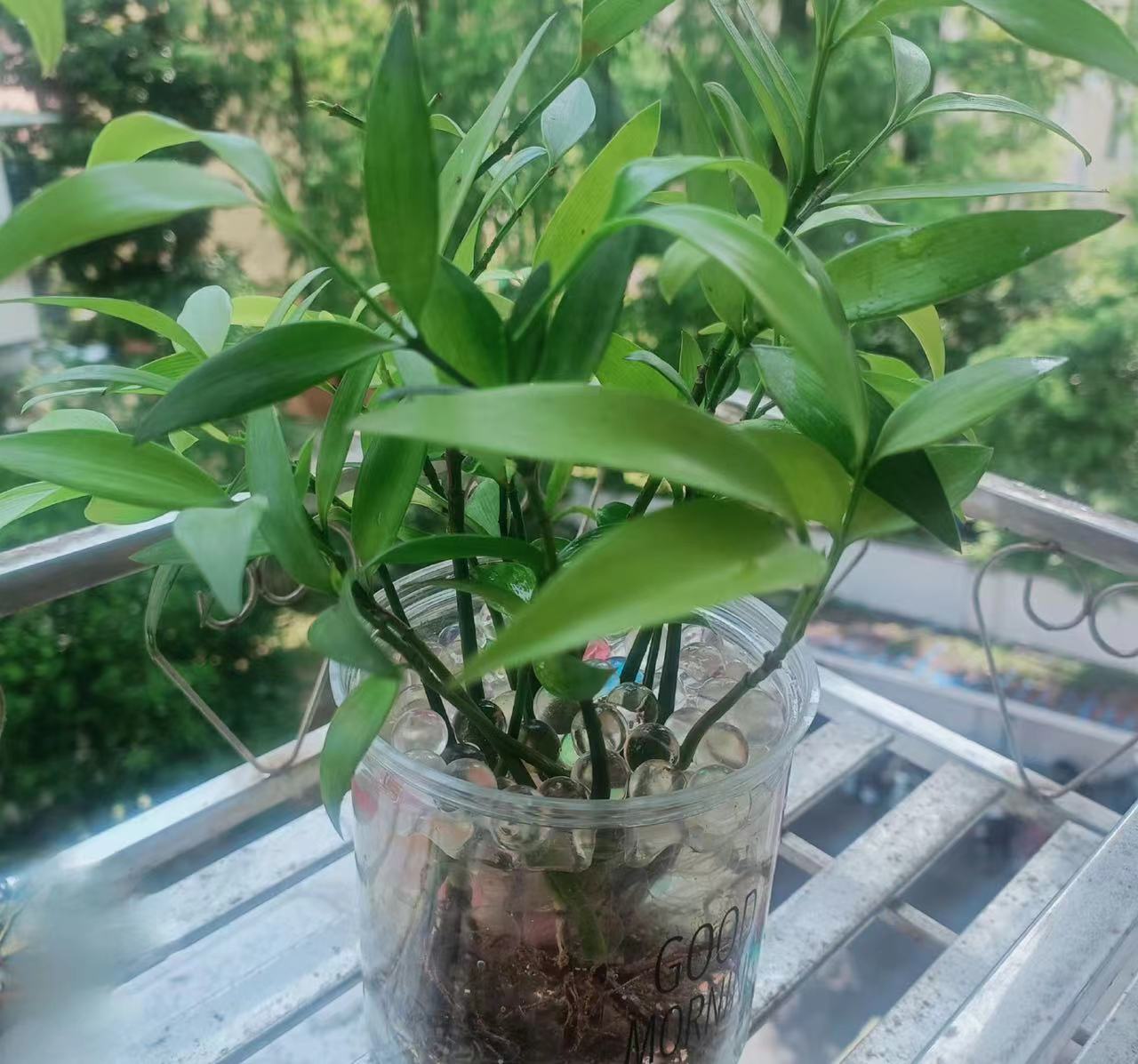
Hydroponic Methods and Precautions for Podocarpus nagi
For Podocarpus nagi, in addition to the traditional soil cultivation method, hydroponic cultivation of Podocarpus nagi has gradually become a popular choice.
-

What are the cultivation methods and precautions for Podocarpus nagi
Podocarpus nagi is a national second-class protected plant in China, also known as coconut tree, luohan chai, etc. It is a tree of the genus Podocarpus in the family Podocarpaceae. Its branches and leaves are green and glossy, the crown is dense, and the tree shape is beautiful. It has been widely used in recent years for courtyards, residential communities, streets, and other places
-
How much does a pot of the gymnosperm Podocarpus nagi cost on the market? Reasons for the high price and bedroom care
Podocarpus nagi, also known as Luohan chai and coconut tree, is a common gymnosperm in Guangdong, Guangxi, Sichuan, Hunan and other places. It is widely cultivated for its air-purifying, mosquito-repelling and pollution-resistant effects. So how much does a pot of Podocarpus nagi cost on the market? Why is it so expensive? Can it be placed
-
How to Grow Podocarpus nagi? Detailed Guide to Podocarpus nagi Cultivation Methods and Precautions
Podocarpus nagi, also known as Luohan chai or bamboo-leaf podocarpus, has strong air-purifying ability and a powerful mosquito-repelling effect. It is an excellent timber for carving, furniture making, and plywood, and holds high ornamental, ecological, medicinal, and economic value. It is deeply loved by people
-
How much does a pot of the gymnosperm bamboo-leaf podocarp (Podocarpus nagi) cost on the market? Why it is expensive and how to care for it in the bedroom
Podocarpus nagi, also known as Luohan chai and coconut tree, is a common gymnosperm in Guangdong, Guangxi, Sichuan, Hunan and other places, widely cultivated for its effects in purifying the air, repelling mosquitoes and resisting pollution
-
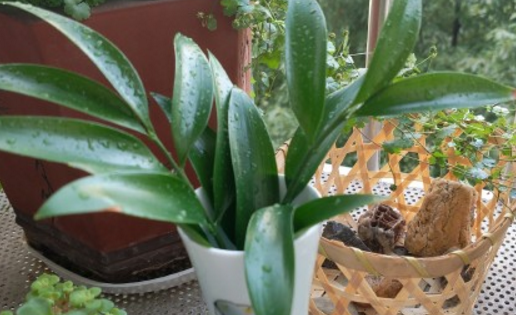
How to grow the Buddhist pine (Podocarpus nagi)? Cutting and water culture methods and precautions
Other names for the Buddhist pine include Luohancai, Daguo Zhubai, Shanshan, and Zhuyebai. So what are the cultivation methods and precautions for the Buddhist pine? How do you take cuttings? Can it be grown in water? According to available information, the Buddhist pine prefers a warm and humid growing environment, with an ideal growing temperature between 18°C and 26°C, and it can tolerate shade
-
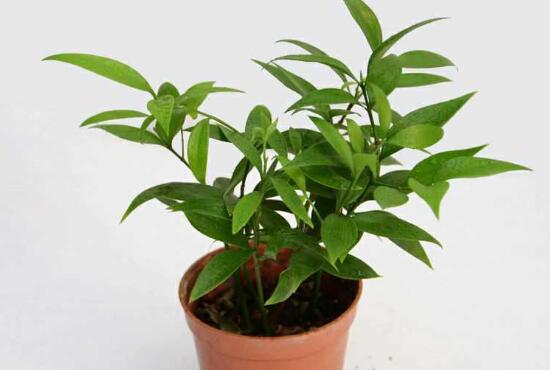
Podocarpus nagi benefits and uses: lush green foliage with strong ornamental appeal, repels mosquitoes and resists pollution
Gardeners are certainly familiar with Podocarpus nagi; it is very common as a household potted plant and is a very beautiful ornamental flowering plant, not only with many varieties but also with extremely rich flower colors, deeply loved by gardening enthusiasts. To understand a plant, you can start with its benefits, so what are the benefits and uses of Podocarpus nagi
-
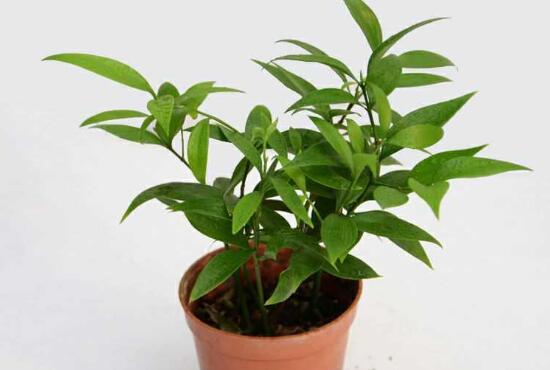
What to Do When Podocarpus Nagi Gets Bugs? 3 Pests and 3 Diseases: Prevention and Treatment Methods
Gardeners are probably quite familiar with Podocarpus nagi (nagi podocarp). It is neither bamboo nor cypress, but a beautiful foliage plant kept in many homes. However, when grown indoors, due to improper care, high air humidity, poor ventilation and other reasons, nagi podocarp is prone to pests and diseases that affect the plant's growth. So what should you do when nagi podocarp gets bugs?
-
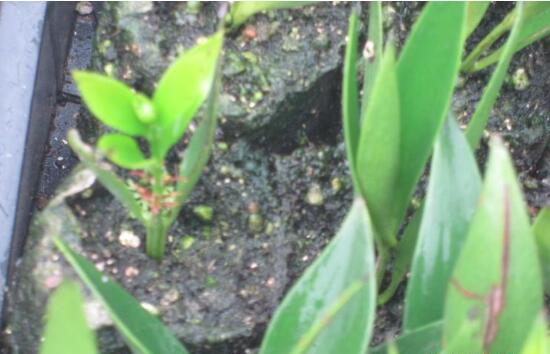
How to propagate Podocarpus nagi? Early spring cutting method has a survival rate as high as 100%
When growing plants indoors, many people choose Podocarpus nagi. It stays green all year round and looks great no matter where it is placed. But is one pot of Podocarpus nagi too monotonous? Several pots together look even better! If you don't want to buy them, you'll need to propagate them yourself, so how do you propagate Podocarpus nagi?
-
条件筛选