What to Do When Podocarpus Nagi Gets Bugs? 3 Pests and 3 Diseases: Prevention and Treatment Methods
Gardeners are probably quite familiar with Podocarpus nagi (nagi podocarp). It is neither bamboo nor cypress, but a beautiful foliage plant kept in many homes. However, when grown indoors, due to improper care, high air humidity, poor ventilation and other reasons, nagi podocarp is prone to pests and diseases that affect the plant's growth. So what should you do when nagi podocarp gets bugs? Below are several common pest and disease control methods for nagi podocarp. Let's take a look!
I. What to Do When Nagi Podocarp Gets Bugs
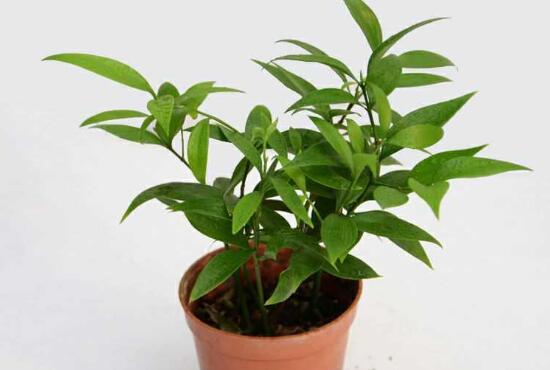
Although nagi podocarp is easy to grow, it is susceptible to pests and diseases that cause serious damage, so once discovered they should be controlled promptly. The common pests and diseases of nagi podocarp include black spot disease, powdery mildew, anthracnose, aphids, scale insects, leaf miners and so on, all of which will seriously affect the plant's ornamental value. As for what to do when nagi podocarp gets bugs, you should first identify the pest or disease, then apply targeted pesticide sprays for control.
II. Prevention and Control of Common Pests and Diseases of Nagi Podocarp
1. Aphids
As an ornamental plant, nagi podocarp is not difficult to grow, but that does not mean it is easy to keep, because even a slight mistake in care makes it vulnerable to aphid infestation. These insects mainly parasitize the leaves and suck the sap, causing the leaves of nagi podocarp to turn yellow, and in severe cases can fade the floral appearance and cause rapid withering.
Control method: After discovering aphids, if there are very few, you can use manual control by brushing the aphids off with a writing brush or small brush and burying them in the potting soil; when there are many aphids, you can spray with 50% pirimicarb 3000-5000 times dilution or 40% omethoate 1500-2000 times dilution for control, with excellent results.
2. Scale Insects
Scale insects harm almost all indoor potted plants, and they are the most common pest when nagi podocarp gets bugs. These insects often cluster on branches, leaves and fruits, inserting their mouthparts into the leaf and branch tissues of nagi podocarp to suck sap, causing the leaves to wilt and inducing sooty mold, doing great harm.
Control method: When there are few scale insects, gently brush them off with a soft brush or wipe them away with a cotton ball; when there are many, you can spray with fenitrothion 2000 times dilution or 1605 at 1500 times dilution, spraying once every 7-10 days for 2-3 consecutive times, which can effectively prevent scale insect damage.
3. Leaf Miners
When it comes to nagi podocarp getting bugs, besides aphids and scale insects, it may also be leaf miners. These insects mainly feed on the leaves, causing just a few small holes in the leaves of nagi podocarp in mild cases, and in severe cases leaving the leaves looking like netting.
Control method: When the above symptoms are found, you can spray with dichlorvos or fenitrothion 1000-1500 times dilution, or 90% trichlorfon 1500 times dilution for control. To avoid the development of pesticide resistance, alternate the chemicals and spray them in rotation.
4. Black Spot Disease
Besides getting bugs, nagi podocarp can also get sick if improperly cared for, and the most common disease is black spot disease. This disease mainly attacks leaves, petioles and tender shoots, causing dark brown spots on the leaves, which not only harms health but also affects appearance.
Control method: This disease occurs mostly in June, so you should observe frequently. When the above symptoms are found, promptly spray with 40% carbendazim 800 times dilution or 65% zineb 400-500 times dilution for control.
5. Powdery Mildew
Powdery mildew is another disease of nagi podocarp, mainly harming leaves, tender stems, flower buds and flower buds. After contracting this disease, many white powdery lesions appear on the leaves of nagi podocarp. These lesions greatly affect photosynthesis, and over time can even cause the plant to die.
Control method: Promptly prune off severely diseased plants or diseased parts and burn them in a centralized manner to reduce the source of infection; in the early stage of the disease, you can spray with 50% carbendazim wettable powder 1000-1500 times dilution or 75% chlorothalonil 500 solution for control, and alternating them gives better results.
6. Anthracnose
In hot and humid seasons, especially during the high-temperature, high-humidity plum rain season, with excessive application of nitrogen fertilizer, nagi podocarp is prone to anthracnose. This disease causes small brown spots on the leaves of nagi podocarp, which later expand into round or oval shapes, and in severe cases the whole plant is damaged.
Control method: After discovering that the plant has anthracnose, you can spray with 70% thiophanate-methyl wettable powder 1000 times dilution, or 70% thiophanate-methyl for control. In addition, in the hot summer, when nagi podocarp is kept indoors, you should open windows more for ventilation to lower the indoor air temperature and humidity.
Overall, nagi podocarp has powerful benefits and is very easy to grow, making it very suitable for keeping indoors. But once management is neglected, it will be targeted by pests and diseases, seriously affecting its ornamental value. So for the health of nagi podocarp, everyone must care for it carefully. That is all for the pest and disease control of nagi podocarp; I hope it is helpful to everyone.
What to Do When Nagi Podocarp Has Root Rot: Stop Watering, Remove from Pot and Change Soil / Apply Pesticide Spray When Pests and Diseases Are Found
Neither bamboo nor cypress, it is nagi podocarp, a beautiful foliage plant with an elegant plant shape and verdant branches and leaves, highly ornamental when kept at home. However, during cultivation, due to improper care, nagi podocarp often shows symptoms of root rot. So what should you do when nagi podocarp has root rot? Today I will help everyone solve this problem.
I. What to Do When Nagi Podocarp Has Root Rot
There are mainly two causes of root rot in nagi podocarp: overwatering and pests or diseases. If overwatering causes the root rot, promptly remove the plant from the pot, cut off the rotten roots, and then replant it with fresh soil; if it is pests or diseases, you should identify the specific pest and disease, then apply targeted sprays.
II. Causes of Root Rot in Nagi Podocarp and Solutions
(1) Signs of Root Rot in Nagi Podocarp
When growing nagi podocarp, you should observe it in real time to detect root rot promptly. As for the signs of root rot in nagi podocarp, they are actually easy to judge: a normal nagi podocarp looks vigorous, while if the roots have rotted it looks droopy and listless, lacking vitality.
(2) Causes of Root Rot in Nagi Podocarp
1. Overwatering
When it comes to the causes of root rot in nagi podocarp, the first thing to consider is the water issue. Nagi podocarp likes a moist environment and needs sufficient water during growth, but this does not mean it is not afraid of water. Once overwatered, causing water to accumulate in the pot, root rot is likely to occur.
2. Pests and Diseases
Besides overwatering, root rot in nagi podocarp may also be caused by pests or diseases. It is understood that once nagi podocarp is infected by pests or diseases, its roots may develop problems.
(3) Solutions for Root Rot in Nagi Podocarp
1. Reasonable Watering
When caring for nagi podocarp, you should follow the principle of “water when dry, water thoroughly when you water”, keeping the potting soil slightly moist, and not watering too much. Once overwatering causes root rot, promptly remove the plant from the pot, cut off the rotten roots, and then replant it with fresh potting soil in a new pot.
2. Spraying Liquid Medicine
If the root rot of nagi podocarp is caused by pests or diseases, this is actually not very common, because the pests and diseases of nagi podocarp generally target the leaves. If a situation harming the roots occurs, you should promptly identify the pest, then buy a specialized liquid medicine for spraying.