How much does a pot of the gymnosperm bamboo-leaf podocarp (Podocarpus nagi) cost on the market? Why it is expensive and how to care for it in the bedroom
Podocarpus nagi, also known as Luohan chai and coconut tree, is a common gymnosperm in Guangdong, Guangxi, Sichuan, Hunan and other places, widely cultivated for its effects in purifying the air, repelling mosquitoes and resisting pollution. So how much does a pot of Podocarpus nagi cost on the market? Why is it so expensive? Can it be placed in the bedroom? How should it be cared for?
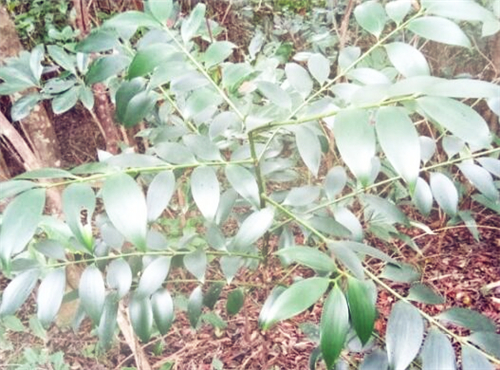
Latest market prices:
The price differs for each size, and it also depends on the tree shape. Generally, for a tree shape of 10 cm it is 200 yuan at our place of origin, 13 cm is 450 yuan, and 15 cm is 1000 yuan. If it is a small potted plant, the price will be cheaper, roughly from just over ten yuan to thirty yuan.
Why is it so expensive?
Because Podocarpus nagi is an ancient gymnosperm, known as a “living fossil”, a precious, rare and endangered tree species, and a national second-class protected plant of China. So its price is somewhat higher. However, some small seedlings are relatively cheap.
Can it be placed in the bedroom?
Podocarpus nagi can be placed in an indoor bedroom. Podocarpus nagi can be planted mixed with other coniferous and broadleaf tree species in warm spots in parks and green spaces, and can also be planted in pairs or rows in wind-sheltered, slightly bright spots near tall buildings, and is also suitable for potted ornamental display. Podocarpus nagi has green and glossy branches and leaves, a dense crown, a beautiful tree shape, lush foliage and deep shade, and is easy to grow, making it very suitable for indoor cultivation to decorate the home. But it is best to open the windows for ventilation. Cypress trees can secrete some aromatic substances, and inhaling too much of them is not good.
Cultivation tips:
1. Temperature
The suitable growth temperature for Podocarpus nagi is between 18°C and 26°C. Its cold tolerance is relatively poor, and it can withstand a minimum low temperature of minus 7°C.
2. Light
Podocarpus nagi is relatively shade-tolerant and averse to scorching sun exposure. From May to September, attention should be paid to shading; you can set up a shade net or place the flower pot in a spot without direct sunlight for care, so as to avoid intense direct light burning the root and stem area and causing the plant to wither and die.
3. Watering
Podocarpus nagi likes a moist growing environment, but during ordinary care you must absolutely avoid waterlogging. You must pay attention to grasping the appropriate watering amount and watering frequency, and water again only when the soil is dry. On ordinary days you can spray water on the leaf surface more often to increase air humidity, making the leaf color dark green and glossy.
4. Soil
Podocarpus nagi has relatively strict soil requirements, and rather likes deep, fertile, loose acidic sandy loam.
5. Fertilizing
Potted Podocarpus nagi generally does not need fertilizing, but in order to ensure its dark green leaf color, you can apply 2-3 times of alum fertilizer water during its peak growing season.
6. Pruning
Podocarpus nagi enters a dormant or semi-dormant state in winter. At this time you can cut off weak branches, diseased and pest-infested branches, overly dense branches, dead branches, etc., which not only maintains a beautiful plant shape but also prevents the occurrence of pests and diseases.