Podocarpus nagi benefits and uses: lush green foliage with strong ornamental appeal, repels mosquitoes and resists pollution
Gardeners are certainly familiar with Podocarpus nagi; it is very common as a household potted plant and is a very beautiful ornamental flowering plant, not only with many varieties but also with extremely rich flower colors, deeply loved by gardening enthusiasts. To understand a plant, you can start with its benefits, so what are the benefits and uses of Podocarpus nagi? Let's take a look together below.
Benefits and uses of Podocarpus nagi
1. Strong ornamental appeal
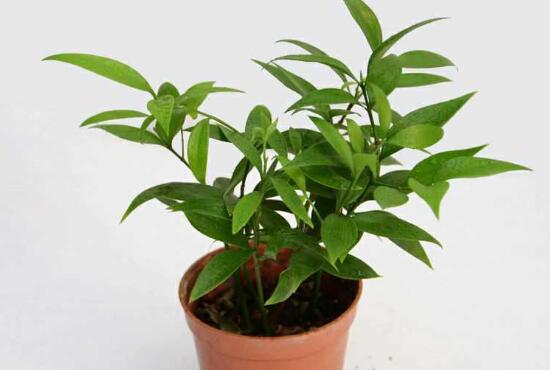
When it comes to the benefits and uses of Podocarpus nagi, the first thing everyone thinks of is naturally its ornamental value. As shown in the picture above, Podocarpus nagi has a graceful plant shape, with lush green and glossy branches and leaves. Placing it indoors gives an excellent ornamental effect. Getting up in the morning and looking at the delicate, dewy Podocarpus nagi, our day will have a beautiful start.
2. Purifies the air
Keeping Podocarpus nagi at home not only brings us visual enjoyment, but its ability to purify the air is also very strong. With its dense branches and leaves, during photosynthesis it absorbs carbon dioxide and other harmful gases and releases oxygen, making our home environment fresher.
3. Resists pollution and repels mosquitoes
In addition to purifying the air, the benefits of Podocarpus nagi also include resisting pollution and repelling mosquitoes. It is understood that the leaves and bark of Podocarpus nagi can emit a rich clove-like fragrance year-round; this scent not only decomposes exhaust gases but also has pollution-resistant and strong mosquito-repelling effects.
4. Decorates the home
The beauty of Podocarpus nagi is beyond doubt; the type made into indoor bonsai is the dwarf variety. Placing it on windowsills, in living rooms, on coffee tables and other places provides good decorative accent and has a very good effect on beautifying the home. An unchanging home, with the addition of a pot of Podocarpus nagi, will become more elegant and unique.
5. Landscape greening
Podocarpus nagi is a tree that can reach 20 m in height. Besides being potted at home, it is also widely used in courtyards, residential communities, streets and other areas, and is an excellent landscape tree for greening. Therefore, landscape greening is also one of the benefits and uses of Podocarpus nagi.
6. Economic value
As a common ornamental plant, Podocarpus nagi is not difficult to cultivate, and its seeds have an oil content of up to 30%, which can be used as industrial oil and, after processing, can become high-quality edible oil; in addition, Podocarpus nagi is also an excellent material for carving, making furniture and plywood. Therefore, large-scale cultivation can bring considerable income to flower farmers, so economic value is also one of the benefits of Podocarpus nagi.
7. Medicinal value
In addition to the above points, the benefits of Podocarpus nagi are also reflected in its medicinal value. It is understood that the roots, stems, leaves and seeds of Podocarpus nagi can all be used as medicine, with effects of relaxing muscles and activating blood circulation, stopping bleeding and setting bones, and having good effects on treating lumbar muscle strain, traumatic fractures, cuts, gunshot wounds, mental illness, body odor, eye diseases, and resisting colds.
Benefits and uses of Podocarpus nagi, and how to grow Podocarpus nagi
Podocarpus nagi is a beautiful foliage plant with unique leaf shapes, evergreen throughout the year, and a graceful tree form; it can be made into a potted plant and grown at home. So what benefits and uses does this beautiful Podocarpus nagi have? Let me tell you specifically below.
Benefits and uses of Podocarpus nagi1. Podocarpus nagi can beautify the environment
Beautifying the environment is one of the main benefits of Podocarpus nagi. Its branches and leaves are lush green in all four seasons, and its tree shape is beautiful; it can be made into a potted plant and placed indoors, playing an important role in beautifying the environment and purifying the air. In addition, it can also be planted outdoors beside sidewalks, greening the environment and providing enjoyment for people.
2. The economic value of Podocarpus nagi
The economic value of Podocarpus nagi is particularly high. After it matures, its wood is mostly pale yellow, with darker heartwood, very straight grain, moderate hardness, and easy processing; it is an important raw material for the construction and shipbuilding industries. In addition, mature Podocarpus nagi can also be made into furniture and utensils.
3. Podocarpus nagi can treat leukemia
Besides being ornamental, Podocarpus nagi can also be used as medicine. Its seeds contain large amounts of natural ester substances, especially a particularly high content of epoxy nagilactone; this substance can purify the blood, clear various toxins from the blood, and effectively reduce the occurrence of leukemia. For leukemia patients, taking Podocarpus nagi can also inhibit the worsening of the condition, prolong life, and reduce suffering.
4. How to grow Podocarpus nagi
Podocarpus nagi is a plant with strong vitality, but it prefers shade and fears sun exposure. Normally it can be placed in a relatively cool environment. In addition, when growing Podocarpus nagi as a potted plant, also note that water must not accumulate in the potting soil, otherwise Podocarpus nagi will develop root rot.
Is Podocarpus nagi toxic? Benefits and uses of Podocarpus nagi
Podocarpus nagi has high ornamental value and can be used for indoor and outdoor viewing; secondly, it has the effect of purifying the air. It is also very much liked by everyone, but there are also some questions that make people puzzled: is Podocarpus nagi toxic? Many dear readers may have such a question. Below I will explain it, and also share with you what the benefits and uses of Podocarpus nagi are. Let's take a look.
Is Podocarpus nagi toxic?
Regarding this question, I can tell everyone with certainty that Podocarpus nagi is not toxic. Not only is Podocarpus nagi non-toxic, it can also be used as medicine! Podocarpus nagi uses its leaves as medicine; they can be collected throughout the year, washed, used fresh or dried in the sun, and have the effects of stopping bleeding and setting bones. For external use in appropriate amounts, fresh material can be pounded and applied, or dried material can be ground into powder and mixed for application, to treat bleeding, fractures, etc.
Podocarpus nagi is a famous landscape tree and street tree species. It is an evergreen tree with slow growth and can reach 20 m in height, and is one of the common street tree species. It prefers a warm environment, is neither tolerant of wet conditions nor drought, and is slightly cold-tolerant. It is native to Taiwan, China, southeastern mainland China, Japan, Ryukyu and other places. In Taiwan, China, its native distribution is in the low- and mid-altitude Wenshan area in the north and the Beidawu Mountain area of the Hengchun Peninsula in the south. Podocarpus nagi is an ancient gymnosperm, originating about 155 million years ago in the Mesozoic Cretaceous Period. It is called a "living fossil" and is a precious, rare and endangered tree species.
Podocarpus nagi has good ornamental appeal. It is a common indoor landscape plant and greenery ornamental tree species, and can beautify the environment.
In warm spots of parks and green spaces, Podocarpus nagi can suitably be planted mixed with other coniferous and broadleaf tree species. It can also be planted oppositely or in rows in slightly bright, wind-sheltered spots by tall buildings, and is also suitable for potted viewing. The branches and leaves of Podocarpus nagi are lush green and glossy, the crown is dense, the tree shape is beautiful, the leaves are abundant and the shade is dense, and it is easy to grow. It is very suitable for growing indoors to decorate the home.
Podocarpus nagi is not toxic, so everyone can grow it with confidence. Not only is Podocarpus nagi non-toxic, it also has good medical value; its branches and leaves can be used as medicine and can treat many diseases.
Benefits and uses of Podocarpus nagi 1. Medicinal benefits of Podocarpus nagi
The roots, stems, leaves and seeds of Podocarpus nagi are rich in various chemical components. Its main effects are relaxing muscles and activating blood circulation, stopping bleeding and setting bones, and it has effects in treating external injuries such as fractures, cuts, gunshot wounds, etc. It can be used to treat lumbar muscle strain and has a wide range of uses. It can also be used to treat mental illness, body odor, eye diseases, and to resist colds, etc. On the other hand, Podocarpus nagi is rich in large amounts of flavonoids and elemene. Flavonoids have many effects, including anti-cancer, controlling blood sugar, and enhancing immunity, while elemene can be used for anti-tumor purposes.
Benefits and uses of Podocarpus nagi 2. Economic uses of Podocarpus nagi
Podocarpus nagi has a relatively high fruit yield, and its seeds have an oil content of about 30%, which can be used to make industrial oil or, after processing, made into high-quality edible oil. In addition, Podocarpus nagi can also be used as timber, with straight and fine texture and good processing performance; after drying it will not deform or crack, the cut surface is smooth, and the annual rings are beautiful. It can be used for carving, making furniture, plywood, etc.
Benefits and uses of Podocarpus nagi 3. Ornamental uses of Podocarpus nagi
The leaves of Podocarpus nagi are dark green and glossy, evergreen in all four seasons, with a dense crown and beautiful tree shape, and high ornamental value. As an ornamental tree species, it is widely used in courtyards, residential communities, streets and other places to achieve the purpose of greening.
In addition, the leaves and bark of Podocarpus nagi year-round emit a rich, lingering clove-like scent, which has a decomposing effect on many harmful exhaust gases, can purify the air, resist pollution, and also has a strong mosquito-repelling effect.