A Detailed Guide to the Planting Methods and Key Technical Points for Podocarpus nagi
Podocarpus nagi is an evergreen tree of the family Podocarpaceae. In full fruit-bearing season a single tree yields 100 to 200 kg of fruit, and the seeds contain 30% oil, which can be used as industrial oil and, after processing, can become a high-quality edible oil. Its wood has straight grain, a fine texture and good processing performance; after drying it does not crack or warp, its cut surfaces are smooth and its annual rings are attractive, making it an excellent timber for furniture making. The trunk of Podocarpus nagi is tall and upright and its crown is broadly conical, making it a beautiful ornamental tree species.
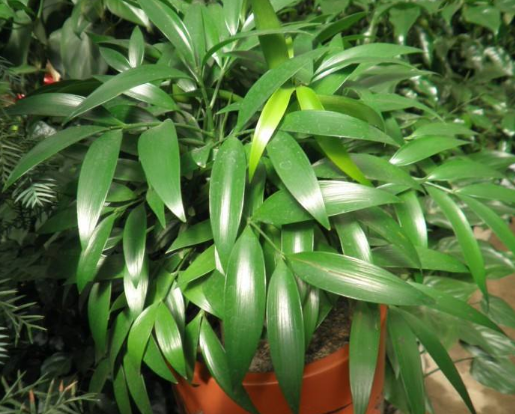
Planting methods:
Soil: Podocarpus nagi has strict soil requirements and rather prefers a deep, fertile, loose, acidic sandy loam.
Light and temperature: Podocarpus nagi is fairly shade-tolerant and dislikes scorching sun exposure. From May to September, attention must be paid to shading; a shade net can be set up or the flowerpot can be placed where there is no direct sunlight for care, so as to avoid intense direct light burning the root collar and causing the plant to die. The suitable growing temperature is between 18°C and 26°C. It has poor cold tolerance and can withstand a low temperature of down to minus 7°C.
Water and fertilizer: Podocarpus nagi likes a moist growing environment, but during routine care waterlogging must be strictly avoided; the right amount and frequency of watering must be controlled, watering only when the soil is dry. Ordinarily, water can be sprayed on the leaves more often to increase air humidity, making the leaf color deep green and glossy. Potted Podocarpus nagi generally does not need fertilizing, but to ensure its leaf color is deep green, 2-3 applications of alum fertilizer water can be given during its peak growing season.
Land preparation and planting: On shaded or semi-shaded slopes in lowlands or hills, choose the middle and lower parts of the slope with good soil fertility for planting. For slopes below 25 degrees, use full reclamation with hole digging for land preparation; for slopes below 20 degrees, use strip reclamation with hole digging or spot digging. Holes are required to be 50 cm deep, 70 cm wide, with a spacing of 150 cm to 200 cm between holes. Apply 50 kg of barnyard manure or farmyard manure per hole, then backfill with topsoil and mix the fertilizer in evenly. Lift the seedlings and plant them in early spring before the seedlings bud, making sure the seedling roots are spread out, the seedling body is upright, the planting depth is appropriate, and the soil is pressed firm. For block planting, it is best to plant mixed with an equal number of broadleaf tree seedlings. It can be planted in relatively shady spots in parks, courtyards and scenic areas.
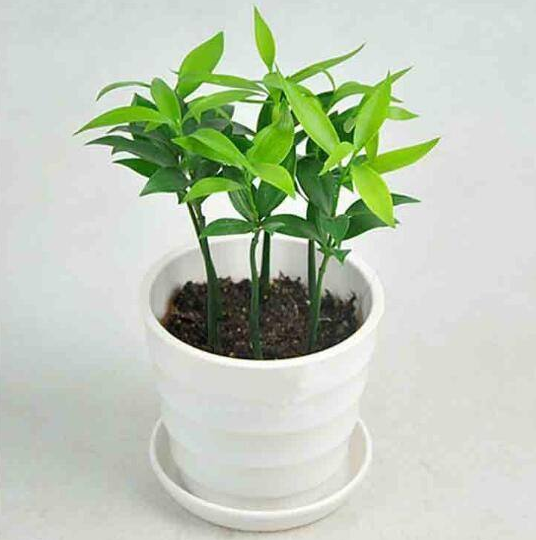
Care and management
In the year Podocarpus nagi is planted, timely cultivating and weeding should be carried out and fertilizer applied as a top dressing; if drought occurs, water to cool the plants and cover with grass to preserve soil moisture. Thereafter, cultivating and weeding should be carried out 1-2 times each year until the stand closes into a forest or the trees are more than 3 m tall. At around 10 years of age, thinning should be carried out according to the growth of Podocarpus nagi, removing the weak and keeping the strong, removing the small and keeping the large, removing the dense and keeping the sparse, removing the inferior and keeping the superior, so as to promote the growth and development of Podocarpus nagi. For Podocarpus nagi used for garden ornament, shaping and pruning should be carried out to maintain a good tree form and enhance its ornamental value.