-

How to Propagate the Peace Tree? Introduction to Common Propagation Methods
The Peace Tree, originally named Lanyu cinnamon, also known as Red-head Island cinnamon, Red-head Mountain cinnamon, Fanglan Mountain cinnamon, large-leaf cinnamon, Taiwan cinnamon, etc., is an evergreen small tree of the genus Cinnamomum in the Lauraceae family, widely produced in southern Taiwan, China. Its propagation methods mainly include seed propagation and cutting propagation.
-
How to grow a potted Peace Tree? Mastering the right method is key
The Peace Tree originates from Lanyu Island and is an elegant name for Cinnamomum kotoense (Lanyu cinnamon). It symbolizes peace and good fortune, and can release a fragrance that purifies the air and removes odors. Its bark has the effects of dispelling wind and dispersing cold, relieving pain and resolving blood stasis, and promoting blood circulation and strengthening the stomach. In recent years, as a potted plant, it has become increasingly popular among urban households.
-
What to Do When the Leaves of the Peace Tree Turn Yellow? Causes and Solutions
The peace tree (Cinnamomum kotoense) is a large foliage houseplant. Gardeners usually buy their peace trees from local flower markets - a pretty pot, green leaves, an auspicious name. Within three to five days, or at most one to two weeks of bringing it home, the leaves either wilt, turn yellow, or drop, which is truly frustrating.
-
How to grow a Peace Lily tree? These cultivation methods you need to master
What are the cultivation methods for the Peace Lily tree?
-
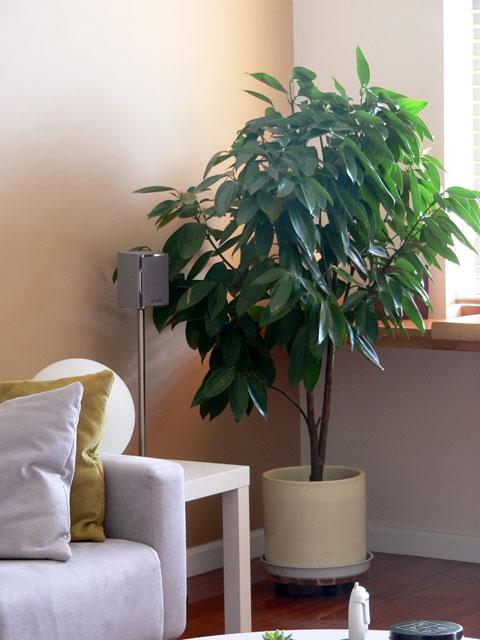
What are the key points to note when growing a Peace Lily tree?
1. Prune promptly. If the branches and leaves are too dense, you need to regularly clean up and remove leaves and prune away branches to keep good ventilation. 2. Pay attention to pruning timing. It can be pruned in all four seasons, but spring or autumn is the period of vigorous growth for the Peace Lily tree. If you prune at this time, it will easily send out new branches.
-
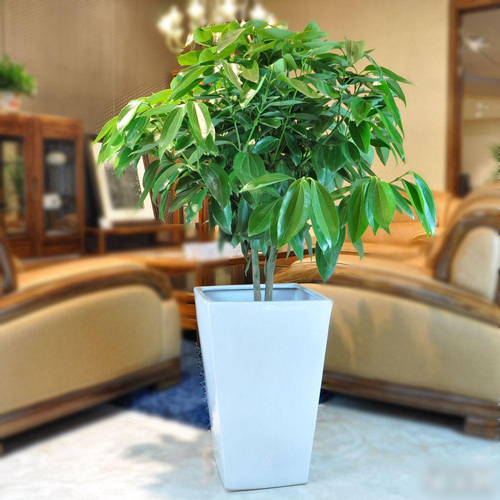
How to Grow and Care for the Peace Tree: Methods and Precautions
1. Light. The Peace Tree's light requirements change over time. Plants 3 to 5 years old grow faster under shaded conditions; plants 6 to 10 years old require fairly abundant sunlight. After potted plants enter summer, do not give them full sunlight; they can be placed under the dense shade of large trees or under a shade shed
-
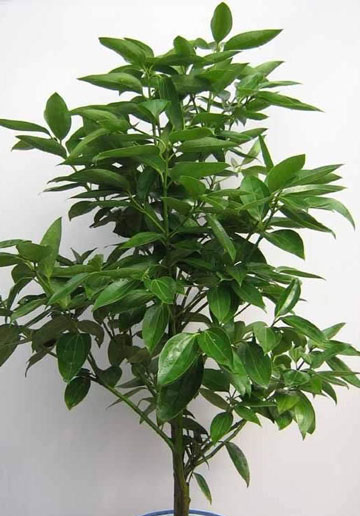
What are the requirements for the growing environment of the Peace Tree?
The Peace Tree likes a warm, humid environment with plenty of sunlight; it enjoys light but also tolerates shade, and prefers warm, hot, frost- and snow-free places with heavy fog and high temperatures; it does not tolerate drought, waterlogging, severe cold or dry air. For artificial cultivation, a loose, fertile, well-drained, organic-rich acidic sandy loam is suitable, and the optimum growing temperature is 20°C-30°C
-
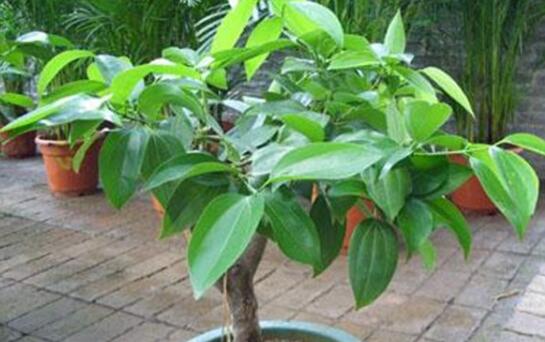
How does the Peace Tree propagate? Both sowing and cuttings work
People who like the Peace Tree often consider one question after growing it for a while, and that is how to propagate the Peace Tree. So what is the most scientific way to propagate the Peace Tree? The answer is sowing or cuttings. Below we introduce the propagation methods of the Peace Tree in detail from these two approaches
-
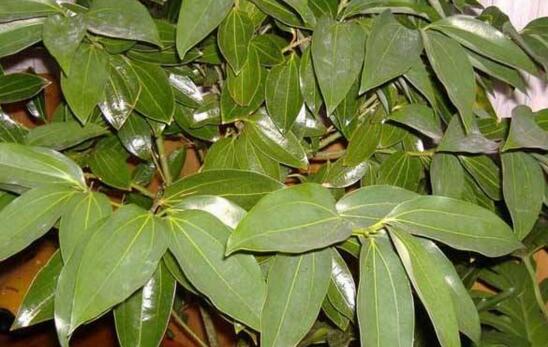
What to do when the leaves of the Peace Tree droop? Watering, repotting and temperature control can restore it to normal
Normally, the leaves of the Peace Tree are upright and glossy, but sometimes you may encounter drooping leaves. So what should you do when the leaves of the Peace Tree droop? You need to first figure out what is causing the drooping, then take the corresponding measures to restore it to normal
-
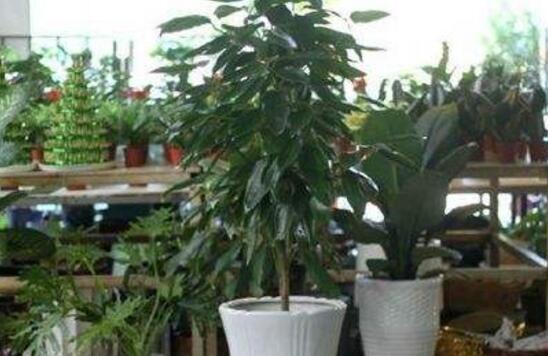
How to water a Peace Lily tree? Detailed explanation of watering time and watering amount
Everyone wants the Peace Lily tree they grow to grow healthily with lush branches and leaves, and to achieve this, watering is key. In fact, in the cultivation methods of the Peace Lily tree, watering is also an important part. So exactly how do you water a Peace Lily tree? Below we will take a detailed look at watering techniques.
条件筛选