How does the Peace Tree propagate? Both sowing and cuttings work
People who like the Peace Tree often consider one question after growing it for a while, and that is how to propagate the Peace Tree. So what is the most scientific way to propagate the Peace Tree? The answer is sowing or cuttings. Below we introduce the propagation methods of the Peace Tree in detail from these two approaches.
How does the Peace Tree propagate
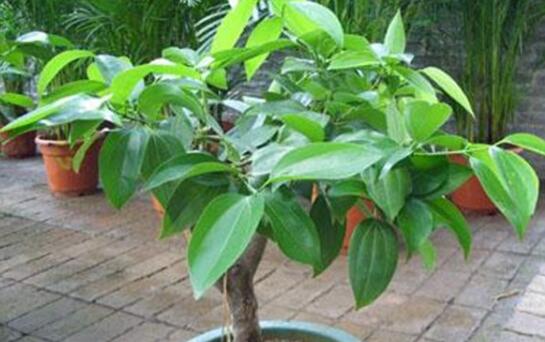
The propagation methods of the Peace Tree are not difficult. Two methods are more commonly used, namely cuttings and sowing. Many people do not understand the specific steps and precautions, and if it is not done well, half a day may be wasted. Therefore, the specific operation processes of the two methods are introduced in detail here
I. How to propagate the Peace Tree by sowing
1. Preparation for sowing the Peace Tree
When choosing fruit, be sure to choose mature fruit, then take it down for later use. Usually the most suitable seasons for sowing are spring or autumn, and the seeds can also be stored, for example sand storage is one method. After removing the peel from the fruit, store it in a cool place with moist sand.
2. Sowing steps
a. Take out the prepared seeds. They need to be germinated first, and can be soaked in warm water, which can increase their germination rate.
b. Sowing propagation is mainly done by dibbling. Put the seeds into a previously dug sand bed, then cover the seeds with soil. The thickness of the soil is 1-2 cm, and the plant spacing is generally about 5 cm.
c. Keep the sand bed moist. Some straw can be spread on top. Generally, germination occurs after 20-30 days. After the seedlings grow out, the leaves will gradually appear, and to transplant them you must wait until there are 5 true leaves.
II. How to propagate the Peace Tree by cuttings
1. Preparation work
The most ideal time for cuttings is April, May, September, and October each year, because the temperature at this time is suitable for the growth and development of new branches and leaves. Take semi-lignified branches that have just grown in the current year from the Peace Tree. The principle is that the leaf color should be bright and vivid.
The length of the branch is about 15 cm, and 2-3 leaves should be retained; other excess leaves can be removed. The section used for the cutting should be cut into a slanted surface. The substrate can use vermiculite and peat as the medium, but it needs to be disinfected first before that.
2. Cuttings
First soak the removed branches in rooting powder solution for 30 minutes, then take them out and begin cutting. Be sure not to insert too deep or too shallow. After cutting is completed, press firmly with your fingers. Only one plant can be cut in each nutrition pot. After that, water it, then seal it with a plastic bag and place it in a cool place.
3. Care after cuttings
After cutting, water is generally needed once every 4 days to maintain humidity. After 20 days, the plastic bag can be removed. Roots will form in about 30 days, and at this time it can be transplanted. The transplanting techniques were introduced in detail in how to repot the Peace Tree. Of course, the small seedlings and substrate can also be transplanted together into a large flower pot.
Summary: Plant propagation is a process that requires patience. Although the propagation methods of the Peace Tree do not look difficult, it should be noted that after sowing or cutting, before rooting or germination, it still needs care so that the Peace Tree can propagate smoothly.
How does the Peace Tree propagate? Introduction to the propagation methods of the Peace Tree
The Peace Tree was originally named Lanyu cinnamon, with aliases such as Hongtouyu cinnamon, Hongtoushan cinnamon, Fanglanshan cinnamon, large-leaf cinnamon, and Taiwan cinnamon. It is an evergreen small tree of the genus Cinnamomum in the family Lauraceae, widely produced in southern Taiwan, China. Its propagation methods mainly include sowing propagation and cutting propagation. Let us take a look at the propagation methods of the Peace Tree below!
Sowing propagation of the Peace Tree
1. Sowing time: For sowing propagation of the Peace Tree in South China, mature purple-black fruits can be used for sowing from September to October. After washing off the peel and pulp, float away the empty shriveled seeds, spread them in a cool place to dry, and they can be sown as collected.
2. Seed treatment: If the Peace Tree seeds cannot be sown immediately due to bad weather or because the nursery land is not yet ready, the seeds need to be stored in moist sand and placed in a cool place. Take care to prevent the seeds from becoming moldy. After the seeds crack and show white, sow them in the ground or in bags. For seeds that have not been stored in sand for germination, before sowing they can be soaked in 0.3% formalin solution for 30 minutes, pour off the excess liquid, seal for 2 hours, then rinse with clean water to remove the liquid attached to the seed coat, and immediately soak in clean water for 24 hours, which can increase the germination rate. If the seeds are not disinfected, they can be directly soaked in warm water at about 40°C, which can also increase the germination rate.
3. Sowing method: Usually mainly furrow dibbling, with row spacing of 20 cm to 25 cm, plant spacing of 5 cm to 7 cm, covering soil thickness of 1.5 cm to 2 cm, covering with straw to keep moist, and germination occurs after 20 days to 30 days.
4. Management after sowing: Keep the seedbed moist. After 1/3 of the seeds emerge, remove the covering grass in 2 to 3 times, then build a shed for shade. When the seedlings grow 3 to 4 true leaves, apply liquid fertilizer once a month. Stop applying after autumn, do a good job of cold protection, and overwinter at a shed temperature of no less than about 5°C. Because the plant has fewer fibrous roots, transplanting should be done early, or sand bed germination can be used, with sprouted seedlings transplanted into bags. In southern regions, bag sowing or bag cultivation for commercial seedlings has a very good effect.
Cutting propagation of the Peace Tree
1. Cutting time: The cutting time for the Peace Tree is April to May in the first half of the year and September to October in the second half. The best time is when the temperature is 22°C to 28°C.
2. Cutting substrate: When cutting the Peace Tree, use nutrition pots or flower pots. The substrate uses pure vermiculite or vermiculite:peat = 1:1. Before cutting, the substrate should be disinfected. It can be poured with 0.1% potassium permanganate or 600 to 800 times liquid of Dexon, etc., or exposed to the sun.
3. Cutting treatment: The cuttings should be selected from branches with strong apical dominance, semi-lignified in the current year, robust and full, free from pathogen infection, and with bright green leaf color. It is best to cut in the morning when there is dew or on a cloudy day. Cut the cuttings into 10 cm to 15 cm lengths, leaving 2 to 3 leaves to reduce water loss. Leave 3 cm to 5 cm at the lower end of the cutting and cut it into a slanted opening.
4. Cutting method: Soak the base of the cut cuttings, 3 cm to 5 cm, in rooting solution (2.5 g mixed with 2 kg water, slow soak for 2 to 3 hours; quick soak with 0.2 kg water, soak for 15 to 30 seconds) or in strong rooting agent (each bag of 5 g mixed with 0.5 kg water, soak the base for 16 to 20 hours). After soaking, take them out and insert into the substrate 3 cm to 5 cm. Too shallow makes them easy to fall over, too deep makes them easy to rot, then press firmly with your fingers. One seedling should be cut in each small pot. After cutting, water thoroughly until water flows out from the bottom of the pot. Cover the entire cutting with a plastic bag, maintain 100% humidity, and place in a cool place, avoiding direct sunlight.
5. Management after cutting
① Watering: About 4 days after cutting, water thoroughly once. In the north, add a few drops of hydrochloric acid or a few drops of edible vinegar each time you water, keeping the pH at about 5.8, and the cuttings are easy to survive. When substrate humidity is high, do not water, but the substrate should be kept moist, and the relative humidity of the environment should be about 80%. If watering is too little, the cuttings will die of drought; if watering is too much, it will cause the wound tissue to rot.
② Light: After about 15 days, tie on the plastic bag; after about 20 days, remove the plastic bag. After removing the plastic, increase the time of weak sunlight in the morning and evening. Roots begin to form after 25 days. After about one month, new roots 1 cm to 2 cm long can grow, and after 2 months, roots 5 cm to 6 cm long can grow.
③ Soil: If old leaves do not fall off and new roots are produced, it indicates that the cutting has survived. At this stage, it should be moved to a larger pot. The substrate ratio is leaf mold and fine sand at a 2:1 ratio or sandy loam. When changing pots, pull up the cutting with the substrate, plant it into a large pot, then fill it with the prepared substrate and water thoroughly.
④ Fertilizing: After one week, compound fertilizer at 1‰ concentration can be applied. After the plant sprouts new leaves, apply thin cake fertilizer water once a month. After autumn, apply 0.3% potassium dihydrogen phosphate solution 2 times in succession, thereby increasing the plant's cold resistance, promoting early lignification of tender shoots, and enabling it to overwinter safely. When fertilizing, avoid applying raw fertilizer, concentrated fertilizer, or heavy fertilizer. In particular, do not use high-concentration chemical fertilizer liquid, otherwise it can easily cause fertilizer damage and burn roots, leading to yellowing and scorched leaves and plant death.
How to grow the Peace Tree
1. Temperature: The Peace Tree likes a high-temperature and humid environment. The best temperature is 22°C to 30°C. When the temperature exceeds 32°C, build a shed to shade the Peace Tree and spray water on the leaves to increase humidity and lower temperature, so that it can maintain vigorous growth. The minimum winter temperature cannot be lower than 5°C.
2. Watering: The Peace Tree likes moist soil. Water appropriately every morning and evening. In winter, spray more water and water less. There must be no standing water in the pot.
3. Light: The Peace Tree needs relatively good light, but it is also fairly shade tolerant. It is suitable for care in a semi-shaded environment. Its light requirement changes with age. If the light is too strong, it easily causes leaves to turn yellow and lose their spirit, reducing its ornamental value.
4. Fertilizing: Fertilize the Peace Tree once a month. After autumn, apply phosphorus and potassium fertilizer 2 times in succession. In winter, stop all forms of topdressing to prevent fertilizer damage from injuring roots.
5. Soil: Small plants should be repotted once a year, and large plants should have their soil changed once every 2 years. Loosen the soil once a month during the growing season. The best time to repot and change soil is spring.
6. Pests and diseases: Aphids easily appear on the tender leaves and new buds of the Peace Tree. After spreading plant ash on the plant, rinse it clean with clean water. Spraying neem tree leaf juice can effectively kill insects. Spray with 10% imidacloprid wettable powder at 2000 times liquid to kill them.
Peace Tree Cinnamomum kotoense Kanehira et Sasaki Peace Tree illustrated guide: how to grow the Peace Tree / how to propagate the Peace Tree
Peace Tree profilePeace Tree Cinnamomum kotoense Kanehira et Sasaki
How to grow the Peace Tree and precautions Introduction to the Peace Tree
The Peace Tree is an evergreen small tree of the genus Cinnamomum in the family Lauraceae. Its original name is Lanyu cinnamon, namely Lanyu Island in Taiwan, China. The Peace Tree was originally mostly produced on Lanyu Island. It is a bright green and auspicious Lanyu cinnamon (cinnamon, Peace Tree, peace wood). In recent years it has begun to enter households and is loved by flower enthusiasts. Produced in southern Taiwan, China (Lanyu).
The Peace Tree is native to Lanyu Island. Its aliases also include Hongtouyu cinnamon, Hongtoushan cinnamon, Fanglanshan cinnamon, large-leaf cinnamon, and Taiwan cinnamon.
The origin of the name "Peace Tree": "Peace Tree" is an elegant name for Lanyu cinnamon. Because its bark can be used as medicine and has the effects of dispelling wind and dispersing cold, relieving pain and resolving stasis, and invigorating blood and strengthening the stomach, and because the plant is rich in cinnamon oil (the main component is cinnamaldehyde) and can also emit a fragrance that corrects odors and purifies the air, people in the flower planting and flower business industries gave it an auspicious name, "Peace Tree," to cater to urban people's consumer psychology of loving greenery and beauty and hoping for peace, and also to help relax people's nerves during tense work. Therefore it is quite popular among urban people in both the north and south. Although the price is not low, it is still very much in demand.
The Peace Tree is a bright green and auspicious Lanyu cinnamon (cinnamon, Peace Tree). The species epithet is the place name "Hongtouyu," namely Lanyu Island in Taiwan, China. The Peace Tree is both a beautiful potted foliage plant and a very pretty landscape tree.
The fruiting period of the Peace Tree is from August to September.
Morphological characteristics of the Peace Tree
The Peace Tree is an evergreen tree, about 15 m tall. Leaves, branches, and bark almost lack fragrance when dry. Branches and branchlets are brown, cylindrical, hairless. Leaves opposite or nearly opposite, ovate to oblong-ovate, 8-11(14) cm long, 4-5.5(9) cm wide, apex acute, base rounded, leathery, green when fresh above, gray-green when dry, glossy, nearly the same color and dull below, hairless on both sides, with triplinerved veins arising from above the base; lateral veins arising about 1 cm from the leaf base, gradually disappearing or inconspicuously anastomosing near 3/4 of the leaf, sometimes with an additional lateral vein on each side near the leaf margin; veinlets obvious on both sides, forming a shallow honeycomb-like network; petiole about 1.5 cm long, concave above and convex below, red-brown or brown.
The Peace Tree has a dignified tree shape, yellow-brown bark, and a plant height that can reach 10 m to 15 m. Branchlets are yellow-green, smooth and without down. Leaves are opposite or nearly opposite, ovate or ovate-oblong, with acute apex and thick leathery texture. The leaves are large, 10 cm to 22 cm long and 5 cm to 8 cm wide, bright green and with a metallic luster on the surface, gray-green on the back, with obvious triplinerved veins raised above and convex below; lateral veins extend from about 1 cm from the leaf base, sometimes with a small vein on each side near the leaf margin, and reticulate veins are obvious on both sides, forming a shallow honeycomb shape. New leaves are tender green, and the petiole is about 1.5 cm long, red-brown to brown. Fruit ovoid, about 1.4 cm long, 1 cm in diameter. Fruit cup saucer-shaped, with short rounded teeth at the margin, hairless.
The fruit stalk of the Peace Tree is about 1 cm long and hairless. It is both a beautiful potted foliage plant and a very pretty landscape tree. Fruit ovoid, about 14 mm long and 10 mm wide; fruit cup saucer-shaped, with short rounded teeth at the margin, hairless; fruit stalk about 1 cm long, hairless. Flowering period from June to July, fruiting period from August to September.
Ecological habits of the Peace Tree
The Peace Tree grows in forests. The Peace Tree likes warm and humid, sunny environments. It likes light but is also shade tolerant. It likes warm and hot places without frost or snow and with much fog and high temperature. It is not tolerant of drought, standing water, severe cold, or dry air. Cultivation should use loose, fertile, well-drained acidic sandy loam rich in organic matter.
In the native environment of the Peace Tree, Phalaenopsis orchids are abundantly produced, so under artificial cultivation conditions, it is advisable to create a warm, hot, and humid environment for it.
The fruiting period is from August to September. The fruit tastes sweet and carries a hint of refreshing sourness.
Cultivation techniques of the Peace Tree Cultivation points
Temperature
The suitable growth temperature for the Peace Tree is 20°C to 30°C. Small trees are not tolerant of low temperatures. If there is frost for more than 5 days, plants cared for or cultivated in the open field are prone to bark frost cracks, withered branches and leaves, and even the whole plant freezing to death. Whether it is a small number of household potted plants or large-scale production and business cultivation, in winter the shed temperature should be maintained at no less than 5°C so that the leaves can always maintain their beautiful green appearance. Larger plants can endure short periods of low temperature around 0°C when there is no cold wind blowing in the shed. For potted plants in the Yangtze River basin, it is advisable to move them into the shed before the arrival of frost, and take them out after Qingming the following year. Attention should be paid to preventing cold damage that may be caused by late frost or a late spring cold spell. In midsummer, after the temperature exceeds 32°C, shade with a shed and spray water on the leaves to increase humidity and lower temperature, so that it can maintain vigorous growth.
Light
The Peace Tree needs relatively good light, but it is also fairly shade tolerant. Its light requirement changes with age. Young trees are shade tolerant. For 3- to 5-year-old plants, under shaded conditions, plant height grows quickly. For 6- to 10-year-old plants, relatively sufficient light is required. After potted plants enter summer, they can be moved under tree shade or under a shade shed with 40% to 50% shading, and then growth is relatively ideal. If the light is too strong, it easily causes leaves to turn yellow and lose their spirit, reducing their ornamental value. This is especially true for potted plants that have been displayed indoors for a relatively long time. When they are moved outdoors in summer for restorative care, be sure to be careful and cautious. It is advisable to first place them in a 40% to 50% shaded environment for care, and do not rush, otherwise it is very easy to cause leaf scorch. In addition, in late spring and early summer, when encountering bright sunny weather after a long period of rain, shade work should also be done in time, otherwise it will likewise cause leaf scorch, and it will be difficult to restore the fresh green and lush spirit of the leaves in a short time.
Water
The Peace Tree requires an environment with moist potting soil. For this reason, potted plants should often keep the potting soil moist, but there must be no standing water. The relative humidity of the environment should preferably be maintained above 80%. In the high-temperature summer season or in autumn when the air is relatively dry, including during winter when placed indoors, water should often be sprayed on the leaves and surrounding environment to create a relatively humid local micro-environment for it and promote its robust growth. After autumn, watering should be controlled. In winter, spray more water and water less. If there is standing water in the potting soil, it easily causes the plant to turn yellow, with lower leaves turning yellow and then falling off. In severe cases, it can cause root rot and plant death. Special attention should be paid during the plum rain season.
Soil
For potted or bag-cultivated Peace Trees, it is advisable to use loose, breathable, well-drained, fertile acidic culture soil or leaf mold rich in organic matter. If the potting soil is compacted or the pH value is above 7.5, it will also cause leaf yellowing, seriously poor growth, and reduced sprouting ability, and affect sprout renewal, and even shorten its cultivation life. For this reason, small plants should be repotted once a year, and large plants can have their soil changed once every 2 years. Loosen the soil once a month during the growing season. Especially after heavy rain, check the flower pot in time. If standing water is found in the pot, pour it out as soon as possible and replace it with loose potting soil. For potted plants, the annual repotting and soil-changing time is best arranged after they are taken out in spring and before sprouting.
Fertilizer
The Peace Tree has a full plant form and large leaves, and grows vigorously, so it also has a relatively large fertilizer requirement. In addition to requiring fertile culture soil, potted Peace Trees can be topdressed once a month from mid-spring to early autumn with thin cake fertilizer water or fertilizer alum water, etc. After autumn, apply phosphorus and potassium fertilizer 2 times in succession, such as 0.3% potassium dihydrogen phosphate solution, thereby increasing the plant's cold resistance, promoting early lignification of tender shoots, and enabling it to overwinter safely. In winter, stop all forms of topdressing to prevent fertilizer damage from injuring roots, causing leaves to turn yellow or scorch and fall off, otherwise it will be very difficult to restore the plant's original appearance.
How to grow the Peace Tree Why do Peace Tree leaves turn yellow?
First, water yellowing. It is caused by watering too frequently. Its characteristic is that old leaves show no obvious change while young leaves turn yellow; watering should be controlled immediately.
Second, drought yellowing. It is caused by lack of water and drought. Its characteristic is that old leaves turn yellow first from the bottom upward. If the lack of water lasts a little longer, the whole plant's leaves will turn yellow, or even die. Water should be given in time.
Third, fertilizer yellowing. It is caused by fertilizing too frequently or at too high a concentration. Its characteristics are that young leaves are thick, glossy, and uneven; fertilizer should be controlled, and the soil should be cultivated and watered.
Fourth, starvation yellowing. It is caused by insufficient fertilizer, low fertilization concentration, and too long intervals between fertilizing. Its characteristic is that yellowing starts first at young leaves and tender stems. If no timely fertilization is given after seeing this phenomenon, it can also cause the whole plant's leaves to turn yellow or even die. For flowers lacking fertilizer, never apply a large amount of concentrated fertilizer at one time, so as to avoid burning roots.
Fifth, iron-deficiency yellowing. In greenhouses, woody flowers and others often show yellowing leaves because soil fertility conditions vary greatly. Its characteristic is that young leaves are obvious, old leaves are lighter, the leaf mesophyll is yellow, the veins are green, and a typical network forms. It can be solved by applying ferrous sulfate aqueous solution. The method is: mix 7 parts cake fertilizer, 5 parts ferrous sulfate, and 200 parts water into a diluted solution and water with it.
How to grow the Peace Tree in pots
1. Moderate light. The Peace Tree not only likes sunlight but is also very shade tolerant, but it cannot be placed in direct sunlight to bake. Especially in summer, when placed in sunlight, a certain amount of shading is needed, preferably shading about 50% of its area, otherwise sunlight may scorch the leaf surface. In winter, it can be exposed directly to sunlight without shade.
2. Suitable temperature. The Peace Tree likes warmth and heat and is not tolerant of cold. It is best grown at 20 degrees to 30 degrees. In winter, it is best to move it indoors so that its growing environment is not lower than 5 degrees. In summer, when high temperature reaches above 30 degrees, some protection should also be done, and water can be sprayed on the leaf surface to lower the temperature.
3. Correct watering. The Peace Tree likes a humid environment and is not tolerant of drought. Its potting soil should remain relatively moist. In dry weather, spray water on the leaves. In summer, spray the leaves once a day, and maintain the indoor relative air humidity, preferably above 60 percent. When watering, water once first, then water again after half an hour, which can avoid the appearance of half-watering. The number of waterings depends on the season. Water when the surface soil looks a little dry.
4. Soil and flower pot. The Peace Tree grows better in loose, breathable, fertile acidic leaf mold or culture soil rich in organic matter. It needs to be loosened once every month and the potting soil changed once every two years. The bottom of the flower pot should be breathable, and it should not be too small, because the Peace Tree grows relatively fast, and if it is too small it will hinder its growth.
5. Fertilizing and pest prevention. Fertilize once every month except in winter. Fertilizing in winter may injure the roots and stems. The Peace Tree can develop anthracnose, which makes the leaf surface, leaf tips, and leaf margins brown. When found, in addition to promptly removing diseased leaves, increase phosphorus and potassium fertilizer to improve the plant's resistance to pests and diseases. In addition, aphids and leaf rollers can also endanger the growth of the Peace Tree, and should be killed promptly when found.
How to grow the Peace Tree in pots
Precautions
During plum rain weather, prevent standing water in the pot, otherwise it may damage the roots and stems.
6 major methods for growing the Peace Tree
Potting soil selection: For potted Peace Trees, the potting soil should preferably be loose, fertile, well-drained acidic sandy loam rich in organic matter. This is also the potting soil requirement for most indoor flower cultivation. If the soil has heavy stickiness or low acidity, it will cause the leaves of the cultivated plant to turn yellow and reduce sprout renewal, thereby affecting the plant's growth life.
Suitable temperature for cultivation: The best temperature for Peace Tree growth is 22°C to 30°C, and the minimum temperature cannot be lower than 5°C. If there is freezing or consecutive frost days, good insulation work should be done to prevent bark frost cracks and withered branches and leaves, and in severe cases it may freeze to death.
Sunlight requirements: All plant cultivation requires good light for photosynthesis to promote effective growth. As a light-loving plant, the Peace Tree naturally needs enough light, but at the same time it is also very afraid of strong sunlight. Therefore, under the strong sun in summer, effective shading protection should be given to the tree, or the potted plant can be placed in a position with weaker indoor sunlight, and it can still grow well, because the Peace Tree is also relatively shade tolerant. In addition, for plants grown for three to five years, avoid direct sunlight, while for plants grown for six to ten years, more light can be given to promote effective growth.
How to control watering: During the spring and summer growing seasons of the Peace Tree, always keep its potting soil moist, and often spray water on the leaf surface and cultivation environment to maintain good air humidity in the cultivation environment. In addition, when watering, some vinegar can be added to increase the acidity of the soil. Especially for the relatively acid-deficient soil in the north, vinegar can be added to the water to adjust the acidity of the soil.
Cultivation and fertilizing knowledge: Newly planted potted plants can be fertilized once a month after budding, but during fertilization, attention should be paid to applying it thinly and lightly. It must not be applied too concentratedly or in too large an amount, otherwise it easily causes the roots of the cultivated plant to be burned, leading to yellowing and even death of the leaves. In addition, before winter, some potassium dihydrogen phosphate solution can be applied to enhance the plant's cold resistance.
Loosening soil and repotting: During the growing season of potted Peace Trees, it is best to loosen the soil once a month to always keep the root system in a well-ventilated state. Small Peace Trees can be repotted once a year, while large Peace Trees can be repotted once every 2 to 3 years. When repotting, some dead root systems can be cut off first to ensure normal growth of the potted plant.
Cultivation points
1. Temperature
Its suitable growth temperature is 20°C to 30°C. Small trees are not tolerant of low temperatures. If there is frost for more than 5 days, plants cared for or cultivated in the open field are prone to bark frost cracks, withered branches and leaves, and even the whole plant freezing to death. Whether it is a small number of household potted plants or large-scale production and business cultivation, in winter the shed temperature should be maintained at no less than 5°C so that the leaves can always maintain their beautiful green appearance. Larger plants can endure short periods of low temperature around 0°C when there is no cold wind blowing in the shed. For potted plants in the Yangtze River basin, it is advisable to move them into the shed before the arrival of frost, and take them out after Qingming the following year. Attention should be paid to preventing cold damage that may be caused by late frost or a late spring cold spell. In midsummer, after the temperature exceeds 32°C, shade with a shed and spray water on the leaves to increase humidity and lower temperature, so that it can maintain vigorous growth.
2. Light
Lanyu cinnamon needs relatively good light, but it is also fairly shade tolerant. Its light requirement changes with age. Young trees are shade tolerant. For 3- to 5-year-old plants, under shaded conditions, plant height grows quickly. For 6- to 10-year-old plants, relatively sufficient light is required. After potted plants enter summer, they can be moved under tree shade or under a shade shed with 40% to 50% shading, and then growth is relatively ideal. If the light is too strong, it easily causes leaves to turn yellow and lose their spirit, reducing their ornamental value. This is especially true for potted plants that have been displayed indoors for a relatively long time. When they are moved outdoors in summer for restorative care, be sure to be careful and cautious. It is advisable to first place them in a 40% to 50% shaded environment for care, and do not rush, otherwise it is very easy to cause leaf scorch. In addition, in late spring and early summer, when encountering bright sunny weather after a long period of rain, shade work should also be done in time, otherwise it will likewise cause leaf scorch, and it will be difficult to restore the fresh green and lush spirit of the leaves in a short time.
3. Water
Lanyu cinnamon requires an environment with moist potting soil. For this reason, potted plants should often keep the potting soil moist, but there must be no standing water. The relative humidity of the environment should preferably be maintained above 80%. In the high-temperature summer season or in autumn when the air is relatively dry, including during winter when placed indoors, water should often be sprayed on the leaves and surrounding environment to create a relatively humid local micro-environment for it and promote its robust growth. After autumn, watering should be controlled. In winter, spray more water and water less. If there is standing water in the potting soil, it easily causes the plant to turn yellow, with lower leaves turning yellow and then falling off. In severe cases, it can cause root rot and plant death. Special attention should be paid during the plum rain season.
4. Soil
For potted or bag-cultivated Lanyu cinnamon, it is advisable to use loose, breathable, well-drained, fertile acidic culture soil or leaf mold rich in organic matter. If the potting soil is compacted or the pH value is above 7.5, it will also cause leaf yellowing, seriously poor growth, and reduced sprouting ability, and affect sprout renewal, and even shorten its cultivation life. For this reason, small plants should be repotted once a year, and large plants can have their soil changed once every 2 years. Loosen the soil once a month during the growing season. Especially after heavy rain, check the flower pot in time. If standing water is found in the pot, pour it out as soon as possible and replace it with loose potting soil. For potted plants, the annual repotting and soil-changing time is best arranged after they are taken out in spring and before sprouting.
5. Fertilizer
Lanyu cinnamon has a full plant form and large leaves, and grows vigorously, so it also has a relatively large fertilizer requirement. In addition to requiring fertile culture soil, potted Lanyu cinnamon can be topdressed once a month from mid-spring to early autumn with thin cake fertilizer water or fertilizer alum water, etc. After autumn, apply phosphorus and potassium fertilizer 2 times in succession, such as 0.3% potassium dihydrogen phosphate solution, thereby increasing the plant's cold resistance, promoting early lignification of tender shoots, and enabling it to overwinter safely. In winter, stop all forms of topdressing to prevent fertilizer damage from injuring roots, causing leaves to turn yellow or scorch and fall off, otherwise it will be very difficult to restore the plant's original appearance.
Disease control of the Peace Tree
1. Anthracnose
It mainly harms leaves at the seedling stage and adult plants. When leaves are infected, it mostly occurs on the leaf surface, leaf tips, and leaf margins, appearing brown and irregular in shape, and later often expands or merges into large gray-brown spots with brown wavy edges. Many small black grains grow on the lesions, which are its acervuli. Conidia spread by wind and rain. When humidity is high, the spores germinate and invade leaves or seedlings to cause damage. The disease is likely to occur during continuous rainy weather, insufficient sunlight, heavy clay soil, or when moisture stagnates in the shed. It is most prevalent from February to April. Control method: When a small number of diseased leaves are found, remove and destroy them promptly; during the growing season, increase phosphorus and potassium fertilizer to improve plant resistance; at the early stage of the disease, alternately spray 25% carbendazim wettable powder at 500 times liquid, or 60% Tanbiling wettable powder at 700 times liquid, or 75% thiophanate-methyl wettable powder at 600 times liquid, once every 10 to 15 days, for 3 to 4 times in succession.
2. Brown spot disease
It occurs on new leaves of the plant between April and May. At first, oval yellow-brown lesions appear on the leaf surface, then continuously expand, and more small black grains appear inside the lesions on the front of the leaf. The back of the lesions is purple, so that the whole leaf turns yellow and withers, causing the plant to shed a large number of leaves. Control method: 1% Bordeaux mixture can be used for prevention; when a small number of diseased leaves appear, remove and burn them promptly; at the early stage of the disease, alternately spray 50% carbendazim wettable powder at 500 times liquid, or 50% benomyl wettable powder at 1000 times liquid, or 50% Shajunwang aqueous solution at 1000 times liquid, once every 10 days, for 3 to 4 times in succession.
3. Brown root disease
The leaves of diseased trees gradually turn yellow and droop. In severe cases, they turn brown and dry up, the stem loses water and shrinks, and the root system turns brown and rots. The diseased plant dies within a short period. Diseased roots, diseased soil, and remaining diseased plant residues are the primary infection sources of this disease. It is transmitted by wind and rain or contact, and generally occurs in individual plants. Control method: For severely diseased plants and plants that died from the disease, pull them out by the roots and burn them, and disinfect with 50% carbendazim wettable powder at 600 times liquid; at the early stage of the disease, spray 50% thiophanate-methyl? sulfur suspension at 800 times liquid, or 50% root rot ling wettable powder at 800 times liquid for control.
Pests:
① Leaf roller
It mostly occurs in summer and autumn. It rolls several new leaves into a nest, and the larvae hide inside and feed on the leaves. It can be sprayed and killed with 90% trichlorfon crystal at 800 times liquid, or 40% dimethoate emulsifiable concentrate at 1000 times liquid.
② Aphids
Aphids easily occur on the tender leaves and new buds of Lanyu cinnamon and suck and damage them, causing the leaves to be covered with grease, and then inducing sooty mold, affecting plant growth and display ornamental value. Control method: After spreading plant ash on the plant, rinse it clean with clean water; spraying neem tree leaf juice can effectively kill insects; spray with 10% imidacloprid wettable powder at 2000 times liquid to kill them.
Solutions
The main reasons for yellowing or falling leaves of the Peace Tree include the following aspects:
1: It is caused by an accident or special circumstances that seriously damage the plant's root system, leading to yellowing leaves.
2: It is caused by an indoor temperature below 5°C, where frost damage causes the Ping'an tree (Cinnamomum kotoense) to turn yellow and drop leaves.
3: It is caused by overwatering, which leads to root rot at the bottom and then causes the plant to turn yellow and drop leaves.
4: It is caused by water being too alkaline, which causes the leaves to yellow slowly. This situation is relatively common in the north, especially in places such as **.
5: It is caused by improper fertilizing. Applying too much or too concentrated fertilizer causes the fine nutritive roots to lose water, shrivel, and die.
6: It is caused by prolonged exposure to hot sun, which makes the leaves dry out and turn yellow.
The way to solve yellowing leaves on the Ping'an tree is: when you notice the tree's leaves turning yellow, immediately check whether the Ping'an tree's root system is growing normally. If you find that its roots are rotting, immediately remove the decayed parts, cut off the yellow or dead leaves, and replant it once.
Notes: When replanting, you can spread some moist fine sand around the cut areas of its roots. The purpose of doing this is to help the Ping'an tree sprout new roots. At this time, reduce watering appropriately and spray more water mist. If the Ping'an tree produces new leaves, do the fertilizing work and increase light. This can quickly promote the growth of the Ping'an tree.
Propagation methods of the Ping'an tree
The Ping'an tree is mostly propagated by sowing for seedling cultivation and by cuttings. In addition, flower enthusiasts can also try layering for seedling cultivation.
Propagation by sowing
In South China, sowing can be done from September to October using ripe purplish-black fruits. After washing off the fruit skin and pulp, float off the empty and shriveled seeds, spread them in a cool place to dry, and sow them fresh right after collection. If sowing cannot be done immediately because of bad weather or because the nursery land is not yet ready, the seeds need to be stored in moist sand in a cool place, taking care to prevent the seeds from becoming moldy. After the seeds crack and show white, sow them in the ground or in bags. For seeds that have not been stratified in sand to promote germination, before sowing they can be soaked for 30 minutes in a 0.3% formalin solution, pour off the excess liquid, seal for 2 hours, then rinse with clean water to remove the liquid adhering to the seed coat, and immediately soak the seeds in clean water for 24 hours, which can increase the germination rate. If seed disinfection is not carried out, the seeds can be directly soaked in warm water at about 40°C, which can also increase the germination rate. Usually, drilling and spot sowing are mainly used, with a row spacing of 20 cm to 25 cm, a plant spacing of 5 cm to 7 cm, and a soil covering thickness of 1.5 cm to 2 cm. Cover with rice straw to retain moisture, and germination can occur after 20 to 30 days. Keep the seedbed moist. After 1/3 of the seeds emerge, remove the covering grass in 2 to 3 rounds, and then build a shed for shade. When the seedlings grow 3 to 4 true leaves, apply a liquid fertilizer once a month. Stop applying fertilizer after autumn, do a good job of cold protection, and overwinter at a greenhouse temperature of no less than about 5°C. Because its plants have relatively few fine roots, transplanting should be carried out early, or sand bed germination promotion can be used, with sprouted seedlings transplanted into bags. In southern regions, bag sowing or bag cultivation to produce commercial seedlings has a very good effect.
Propagation by cuttings
The cutting time for the Ping'an tree is April to May in the first half of the year and September to October in the second half. The best time is when the temperature is 22°C to 28°C. For cuttings, use nutrient pots or flower pots, and use pure vermiculite or a ratio of vermiculite : peat = 1 : 1 as the substrate. Before cutting, the substrate should be disinfected. It can be doused with 0.1% potassium permanganate or 600 to 800 times diluted Dexon solution, or exposed to the sun.
For the cuttings, choose branches with strong apical dominance, semi-lignified current-year growth, robust and full, free of pathogen infection, and with bright green leaves. It is best to cut them in the morning when there is dew or on cloudy days.
Cut the cuttings into 10 cm to 15 cm lengths and keep 2 to 3 leaves to reduce water loss. Cut the lower end of the cutting into a slanted opening, leaving 3 cm to 5 cm. Immerse the base of the prepared cutting, 3 cm to 5 cm, in a rooting solution (2.5 g diluted in 2 kg of water, soak slowly for 2 to 3 hours; for quick soaking, dilute in 0.2 kg of water and soak for 15 to 30 seconds) or immerse it in a strong rooting agent (each 5 g packet diluted in 0.5 kg of water, soak the base for 16 to 20 hours). After soaking, take it out and insert it 3 cm to 5 cm into the substrate. If too shallow, it is prone to lodging; if too deep, it is prone to mold and rot. Then press it firm with your fingers. One seedling should be cut per small pot. After cutting, water thoroughly until water flows out from the bottom of the pot. Cover the entire cutting with a plastic bag to maintain 100% humidity, and place it in a cool place, avoiding direct sunlight.
About 4 days after cutting, water thoroughly once. In the north, add a few drops of hydrochloric acid or a few drops of edible vinegar each time you water, keeping the pH at about 5.8, and the cuttings will root easily. When the substrate humidity is high, do not water, but the substrate should be kept moist, and the relative humidity of the environment should be about 80%. If watering is too little, the cuttings will die from drought; if watering is too much, it will cause the wound tissue to mold and rot. After about 15 days, tie on the plastic bag, and after about 20 days, remove the plastic bag. After removing the plastic, increase the time of weak sunlight in the morning and evening. After 25 days, rooting begins, and after about one month, new roots 1 cm to 2 cm long can grow. After 2 months, roots 5 cm to 6 cm long can grow. If the old leaves do not fall off and new roots are produced, it indicates that the cutting has survived. During this period, it should be moved into a larger pot. The substrate ratio is leaf mold and fine sand at a 2:1 ratio, or sandy loam. When moving to a pot, pull up the cutting with the substrate, plant it into a large pot, then fill it with the prepared substrate and water thoroughly. After one week, a compound fertilizer at 1‰ concentration can be applied. After the plant sprouts new leaves, apply a dilute cake fertilizer water once a month. After autumn, apply 0.3% potassium dihydrogen phosphate solution 2 times in succession to increase the plant's cold resistance, promote early lignification of tender shoots, and help it overwinter safely. Avoid applying raw fertilizer, concentrated fertilizer, or heavy fertilizer, and especially prohibit high-concentration chemical fertilizer solutions, otherwise it is very easy to cause fertilizer damage that burns the roots, causing the leaves to turn yellow and scorch and the plant to die.
Variety classification and plant differences of the Ping'an tree
Cinnamomum japonicum
(C. japonicum), an evergreen tree, more than 10 m tall, with cylindrical branchlets, pale yellow-green, hairless, leathery leaves, alternate or sometimes nearly opposite, ovate-oblong, 7 cm to 10 cm long, 3 cm to 3.5 cm wide, dark green and glossy on the surface, grayish-green on the back, with triplinerved veins departing from the base, and the basal lateral veins extending from 1 cm to 1.5 cm at the base. Flowering in May, fruit ripening in September. Produced in Taiwan, China, Fujian, Zhejiang, Jiangxi, Anhui, Hubei and other places; also distributed in Japan and Korea. This species is relatively cold-resistant and can tolerate a low temperature of -10°C, so it can be used for landscaping.
Cinnamomum cassia
(C. cassia), also known as yugui or tonggui. A tree, with grayish-brown bark, young branches slightly four-angled, densely covered with yellow-brown pubescence, leaves alternate or nearly opposite, thickly leathery, long elliptic to nearly lanceolate, 8 cm to 16 cm long, 4 cm to 5.5 cm wide, bright green on the surface, sparsely short-pubescent on the back, leaf margins rolled inward, with triplinerved veins departing from the base, lateral veins extending from 0.5 cm to 1 cm at the leaf base, with many small veins on one side toward the leaf margin, transverse veins wavy and nearly parallel, petiole 1.2 cm to 2 cm long, covered with yellow short down. Flowering from May to June, fruiting from October to December. Produced in Guangdong, Guangxi, Fujian, Yunnan, Hainan, Taiwan, China, Hunan and other places. It can tolerate extreme low temperatures of about -4°C.
Cinnamomum subavenium
(C. subavenium), also known as thin-leaved fragrant cinnamon or native cinnamon. An evergreen large fragrant tree, up to 12 m to 20 m tall, with gray, smooth bark, current-year branchlets slender, densely covered with yellow appressed short pubescence, leathery leaves, nearly opposite on young branches, alternate on old branches, elliptic to lanceolate, 4 cm to 13 cm long, 1.5 cm to 6 cm wide, dark green above, yellow-green below, with triplinerved veins or triplinerved veins departing from the base, concave above and convex below. Flowering from June to July, fruiting from August to October. Produced in Yunnan, Guizhou, Sichuan, Hubei, Guangxi, Guangdong, Zhejiang, Jiangxi, Anhui, Fujian, Taiwan, China and other places.
Ceylon cinnamon
(C. zeylanicum), namely Sri Lankan cinnamon. An evergreen tree, up to 10 m tall, young branches slightly four-angled and with white spots, leaves opposite, 11 cm to 16 cm long, 4.5 cm to 5.5 cm wide, ovate to ovate-lanceolate, green on the surface, greenish-pale on the back, hairless on both sides, with triplinerved veins extending from the base to the tip, leathery and entire, young leaves dark red. Flowers yellow, about 6 mm long, fruit ovate, 1 cm to 1.5 cm long, black. Native to Sri Lanka, introduced and cultivated in Guangdong and Taiwan, China. It is a famous spice plant and high-grade landscape tree.
Distribution area of the Ping'an tree
The Ping'an tree is widely produced in southern Taiwan, China (Lanyu), and is produced in southern Taiwan, China (Lanyu).
The Ping'an tree is undoubtedly close to the Philippine Cinnamomum myrianthum Merr., but as Zhang Qing'en said in the Flora of Taiwan, the leaf characteristics of the plants produced in Lanyu, Taiwan, China do not completely match Merrill's description. At the same time, the inflorescence of Cinnamomum myrianthum is up to 15 cm long, while the infructescence of the Ping'an tree is very short. Therefore, in the current situation where no flowers have been collected, it is appropriate not to merge them for the time being.
Uses of the Ping'an tree: potted plant uses
The Ping'an tree is a foliage plant. Its flower language is praying for peace, family happiness, and that all goes well. Because it is named "Ping'an" (peace), it is widely loved by the public. Moreover, it is rich in cinnamon oil and can give off a fragrance that corrects odors and purifies the air, making it very suitable for indoor cultivation.
Ping'an brand boards
"Ping'an Tree" custom boards are an innovative wood industry enterprise brand product cooperating with a central state-owned enterprise, and are now the first choice of many custom wardrobe, cabinet, furniture, decoration, and wooden door companies. "Ping'an Tree[6]" custom boards mainly include ecological boards, plywood, blockboards, laminated timber, building formwork, etc. "Customization" is the feature of Ping'an Tree. Based on customers' personalized and differentiated needs, it develops cost-effective "custom products," and by implementing the PTC value roadmap it meets customers' diversified and multi-level needs and improves user satisfaction.
The best-selling board of "Ping'an Tree" - ecological board. Ecological board is commonly known as melamine board. It is made by soaking paper with different colors or textures in ecological board resin adhesive, then drying it to a certain degree of curing, laying it on particleboard, medium-density fiberboard, plywood, blockboard, or hard fiberboard surfaces, and hot-pressing it into a decorative board.
Product advantages: The surface of the "Ping'an Tree" ecological board is smooth, flame-retardant, wear-resistant, corrosion-resistant, not easy to deform or discolor, and brightly colored; the core board of the custom ecological board is thickened to meet special-shaped specification and size requirements and health and environmental protection requirements.
●Application scope: furniture factories, cabinet factories, and indoor and outdoor decoration materials, etc.
"Ping'an Tree" plywood
"Ping'an Tree" multi-layer board is made by rotary-cutting high-quality wood segments into veneers, making the fiber directions of adjacent veneers perpendicular to each other, and then bonding them with environmentally friendly adhesive into a three-layer or multi-layer multi-layer board.
Physical performance: good surface flatness, strong nail-holding power, easy processing, and not easy to deform. Custom boards can be made into special-shaped specifications, and the core board can be thickened to ensure full thickness and health and environmental protection.
●Application scope: used in furniture making, interior decoration, and finely decorated houses
"Ping'an Tree" building formwork
"Wooden building formwork is a kind of artificial board. It is made by arranging glued veneers in a crisscross pattern according to the wood grain direction into a mat, and pressing it under heated or unheated conditions. The number of layers is generally odd, and a few are also even. The differences in physical and mechanical properties in the longitudinal and transverse directions are relatively small. "Ping'an Tree" building formwork mainly uses plywood as the main material, usually formed by hot-press curing and bonding of 5, 7, 9, or 11 odd-numbered layers of veneers. The grain directions of adjacent layers are perpendicular to each other. Usually the grain direction of the outermost surface is parallel to the long direction of the plywood panel. Therefore, the long direction of the entire plywood is the strong direction, and the short direction is the weak direction.
●Product advantages:
1. "Ping'an Tree" building wood formwork is light in weight and has a smooth surface. It can not only reduce installation workload and save costs, but also reduce the cost of decorating exposed concrete surfaces and grinding away joints;
2. Large load-bearing capacity, especially good wear resistance after surface treatment, and can be reused many times;
3. Light material. A wood plywood with a thickness of 18 mm weighs 50 kg per unit area, making transportation, stacking, use, and management relatively convenient;
4. Good thermal insulation performance, can prevent rapid temperature changes, and helps with concrete insulation during winter construction;
5. Convenient to saw and cut, and easy to process into formwork of various shapes;
6. Most ideal for fair-faced concrete formwork.
The internal quality and appearance quality of "Ping'an Tree" brand boards are higher than ordinary standards. On the basis of various categories, various specifications, various colors, and all environmental protection standards, it provides private high-end custom services such as special specifications, special-shaped specifications, specific specification sizes; specific colors; and specific environmental protection standards. "Ping'an Tree" custom boards follow a large-scale direct sales route. The products continuously cater to future market development trends, and it promises to provide customers with custom boards with the highest cost performance, the most guaranteed quality, and the most reassuring environmental protection.
Landscape uses of the Ping'an tree
The Ping'an tree is not only a beautiful potted foliage plant, but also a very beautiful landscape tree.
Cultural background of the Ping'an tree: the origin of the Ping'an tree
There is a beautiful and touching legend about the origin of the Ping'an tree: It is said that long ago, a heavenly dragon was injured and fell into what is now within the territory of Mongka Manchu Township, Jiutai City, and could not move. Because of the sun and drought with little rain, the heavenly dragon was barely breathing. After hearing the news, the local people spontaneously came to build a shade awning for this dragon to prevent it from being exposed to the sun, and took turns watering the dragon every day. After seven seven forty-nine days, when the dragon recovered from its injuries, it soared into the sky among the clouds and mist. To thank these kind-hearted people for saving its life and to bless them with happiness and peace, it threw one of its dragon pearls onto what is now Husong Ridge in Hujia, Jiutai City. Before long, this dragon pearl turned into an elm tree. The tree grew in a coiled and majestic dragon-and-tiger posture. During the dog days, it would shed tears; those were the heavenly dragon's grateful tears. Whoever drank the grateful tears would have all their wishes come true. In winter, the tree remained green; that was the heavenly dragon's blessing. Whoever saw it would have everything go well. Later, people named the place where the heavenly dragon recovered as Longpeng (now Longpeng Village, Mongka), and the tree transformed from the dragon pearl was called the Ping'an tree. For hundreds of years, on the first and fifteenth day of every lunar month, people from all over the country have come to worship and pray for peace, family happiness, and that all goes well.
The Ping'an tree symbolizes beautiful wishes such as praying for peace, family happiness, and that all goes well.
Origin of the name
The origin of the name "Ping'an Tree": "Ping'an Tree" is an elegant name for Cinnamomum kotoense. Because its bark can be used as medicine and has the effects of dispelling wind and dispersing cold, relieving pain and resolving blood stasis, and invigorating blood and strengthening the stomach, and because the plant is rich in cinnamon oil (the main component is cinnamaldehyde) and can give off a fragrance that corrects odors and purifies the air, people in the flower planting and business industries gave it an auspicious name, "Ping'an Tree," to cater to urban people's consumer psychology of loving greenery and beauty and hoping for peace, and also to help relax people's nerves during stressful work. Therefore, it is quite popular among urban people in both the north and the south. Although the price is not low, it is still very sought after.
Name tracing
Scientists gave the Ping'an tree a very long name: Dracaena fragrans cv. "Massangeana", and its Latin scientific name is Radermachera sinica.
The Ping'an tree has a graceful form, small emerald-green leaves, and dancing tree shadows. It is a very precious indoor ornamental plant. You can write your wishes for happiness on cards and hang them on the tree. The happiness tree is the representative tree of Hawaii. Because people believe it can bring happiness, many people place it in front of their homes.
Most of the names related to the happiness tree and the Ping'an tree were given by flower and tree sellers to cater to consumers' consumption psychology, based on certain characteristics of the plants and adding people's expectations of praying for blessings, hoping for wealth, and seeking peace.
Flower language of the Ping'an tree
Flower language of the Ping'an tree: praying for peace, family happiness, and that all goes well.
Ping'an tree pictures