-
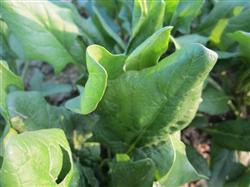
How to overwinter and preserve autumn spinach seedlings? A full analysis of the key technical points
Autumn spinach is an overwintering vegetable sown in autumn and harvested in spring. It begins overwintering at the end of November and turns green again in early March of the following year, a period lasting more than 100 days. Therefore, under long-term low-temperature and dry conditions, how to ensure safe overwintering is the key to achieving a bumper harvest. 1. Water the freezing water well. Watering the freezing water must achieve "one determination" and "two suitability...
-

How to grow overwintering tomatoes? Key points of the two-nets-and-one-film cultivation technique
In recent years, with the rapid development of protected cultivation areas, winter vegetable production has basically met market demand; conversely, the production of high-grade summer vegetables has shown a gap. Since 2001, our county has used the "two nets and one film" technique to conduct trials and demonstrations of summer tomato cultivation in greenhouses, achieving success with significant benefits...
-
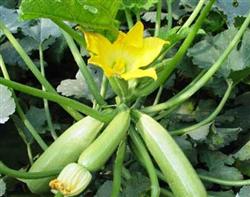
Why should hormone growth regulators not be used to control excessive growth in overwintering zucchini?
For zucchini seedlings, the seedling age should preferably be about 45 days (5 true leaves). Sow seeds at a spacing of 3.3 cm between plants and rows, cover the seeds with about 3 cm of soil, and transplant at a spacing of about 10 cm between plants and rows. For seedbed temperature control, from sowing to emergence, maintain a daytime temperature of 25-28°C and a nighttime temperature of about 12-15°C. After emergence in 3 days, the daytime temperature should be lowered to...
-
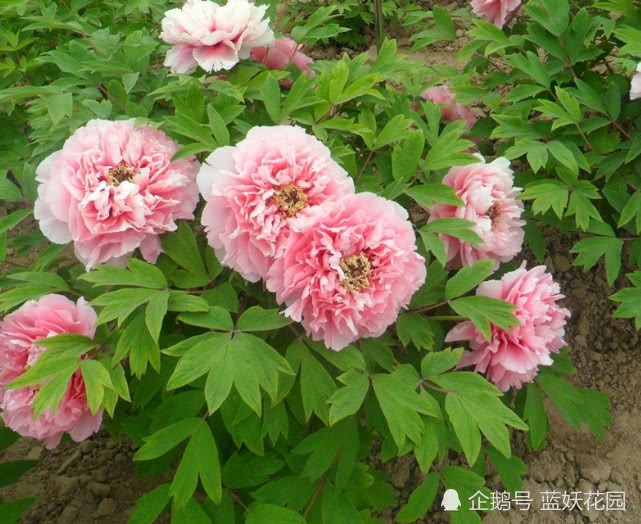
Cold-protection methods for overwintering tree peonies - northern gardeners, put these to use
18. Cold-protection methods for overwintering tree peonies - northern gardeners, put these to use! This is the 18th article in the original "Tree Peony Cultivation" column by Lanyao. Tree peonies are extremely cold-hardy. According to relevant records, tree peonies can withstand low temperatures of -30 degrees, but winters in the north are extremely cold, so to be on the safe side, some anti-freeze measures are still needed.
-
What are the methods for safely overwintering young persimmon trees?
Young persimmon trees have poor cold resistance and often suffer from winter dieback of shoots, so effective measures must be taken to ensure their safe overwintering. 1. Water early with frozen water. In mid-to-late October before the persimmon trees shed their leaves, irrigate fully with frozen water; a few days later, plow, turn and harrow the soil, which can reduce the frozen layer and ensure the roots' water needs. 2. Mound soil for cold protection. Before the freeze...
-
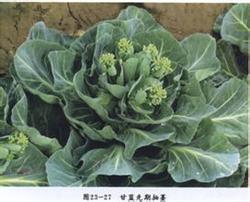
Detailed Explanation of Cabbage Seedling-Raising Techniques for Summer-Autumn and Overwintering
Late-sown overwintering cabbage cultivation is generally raised as seedlings in September and planted in November on late-crop plots such as cotton, rice, orchards or sweet potato land. It is harvested in mid-April. The income is generally 3000 yuan per mu. The returns are relatively good, and it is welcomed by many growers. From sowing to harvest, it passes through a long period of low temperature, and premature bolting is likely to occur...
-

Main Pests of Overwintering Cabbage and Their Control Methods
1. Nutrient Solution Formula The nutrient solution formula for kale in the Beijing area is the same as that for hydroponic lettuce, so it will not be repeated here. 2. Nutrient Solution Concentration Management Kale has a strong ability to absorb nutrients and requires sufficient fertilizer. The nutrient solution concentration management index is 2.5-3.0 ms/cm, and this concentration can be used consistently from planting to harvest. 3...
-
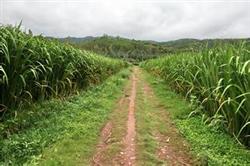
Detailed Explanation of Key Overwintering Management Techniques for Wild Rice Stem
Wild rice stem (Zizania latifolia) is a warmth-loving plant that reproduces asexually through tillering and division. Its optimum growth temperature is 10-25°C, and it is not tolerant of cold or of high-temperature drought. The frost-free period in cultivation areas must be more than 150 days. After frost, the wild rice stem leaves wither and die, and during dormancy it can withstand low temperatures of -10°C. In northern China, where the frost-free period is short, single-harvest wild rice stem is mainly planted. Single-harvest wild rice stem is suitable...
-
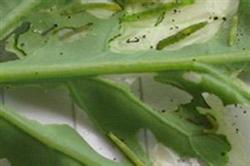
What are the field management measures for wheat and rapeseed during the overwintering period?
The diamondback moth is one of the main pests on rapeseed. In the central Jiangsu region, it can occur 3-4 generations in a single rapeseed growing season, with overlapping generations. When temperatures rise above 12°C (March-April), it is the peak period of damage. When rapeseed seedlings have 8-10 leaves, field inspections should be carried out. When larvae reach 20 or more per square meter, pesticide control should be applied immediately, ...
-
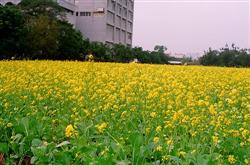
New tricks for winter management of rapeseed: master the methods to help it overwinter
Generally, the boron content in cruciferous crops is higher than in monocotyledonous crops; usually, crops with a high boron content also have a high boron requirement. Boron can promote the normal development of the reproductive organs of boron-loving crops such as rapeseed, accelerate pollen germination and pollen tube elongation, and facilitate fertilization and seed setting. When boron is deficient, these organs may wilt...
条件筛选