-

What kind of ground cover plant is dwarf lilyturf?
Dwarf lilyturf, ophiopogonjaponicus, is a plant of the genus Ophiopogon, native to eastern and southern Asia. The plant is 5-10 cm tall, with clustered, sessile, narrowly linear, dark green, leathery, arching leaves. In summer it bears small pale blue flowers in racemes. Dwarf lilyturf is evergreen all year round and highly shade-tolerant, suitable for border planting, pot culture, or embellishing rockery and rock walls, and it is also an elegant indoor plant. The greatest feature of dwarf lilyturf is its relatively low stature, and in gardens it can be arranged to form an ornamental lawn. Dwarf lilyturf is propagated by division, and division and seedling raising can be done throughout the year, but
-
Dust bathing has many benefits for chickens; poultry farmers should not overlook this practice
Giving chickens a "dust bath" is good. A "dust bath" is when chickens bathe in sand to remove dirt from their skin. This habit is a type of animal behavior. Every kind of poultry has certain fixed behaviors. Just as people feel very uncomfortable without bathing, chickens are the same - they like to bathe in sand, and "after bathing" they feel refreshed, comfortable, invigorated, and relaxed, just like people. People bathe with water; why do chickens like to bathe with sand? According to research, the ancestors of the red jungle fowl belonged to the bird family and lived in dry, sandy
-
Toxin that boosts the virulence of Metarhizium anisopliae discovered by scientists
Researchers from the Institute of Plant Physiology and Ecology, Chinese Academy of Sciences, and the Department of Entomology at the University of Maryland in the United States have discovered a neurotoxin that can enhance the virulence of an insecticide, providing important material for the application of this insecticide, as well as for studying the mechanism of action of fungal insecticides and the molecular mechanism of fungus-insect interactions. The results of this study were published in Nature Biotechnol
-
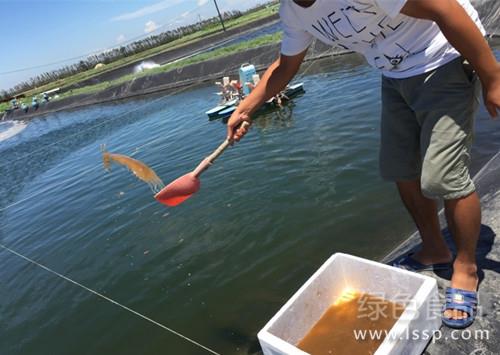
Shrimp feed feeding has its particularities: neither undereating nor overeating is acceptable
Neither undereating nor overeating is acceptable; shrimp feed feeding has many particularities
-
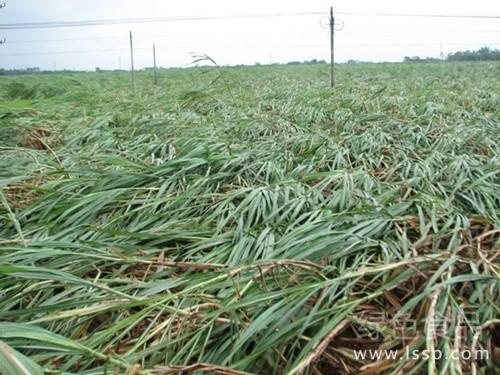
Sugarcane tends to become hollow or pithy after lodging; how to prevent it from being blown over by strong winds
Lodged sugarcane easily becomes hollow or pithy; how to prevent strong winds from blowing over sugarcane
-

The Battle Over Epidemic Prevention and Food Waste 03" Expert Opinion: If You Use Food Waste, You Must Do It to 100 Points, Otherwise Get Out of the Industry! Separating Food Waste Into With-Meat and Without-Meat Lowers Risk
The Battle Over Epidemic Prevention and Food Waste 03" Expert Opinion: If You Use Food Waste, You Must Do It to 100 Points, Otherwise Get Out of the Industry! Separating Food Waste Into With-Meat and Without-Meat Lowers Risk
-
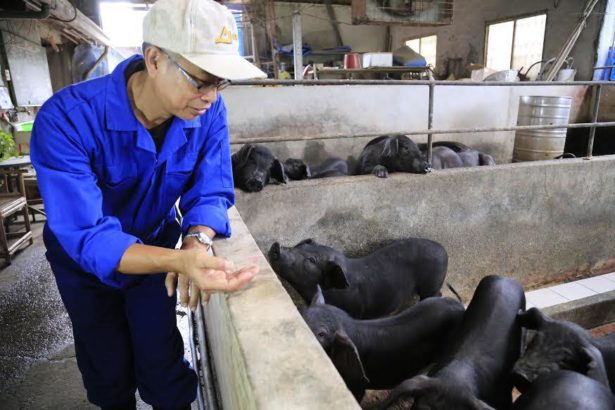
The Battle Over Epidemic Prevention and Food Waste 02"Pig Farmers' Civil War: Feeding Food Waste to Pigs Is High-Risk and Outdated VS Food Waste Can Be Sorted More Carefully in Addition to High-Temperature Boiling
The Battle Over Epidemic Prevention and Food Waste 02"Pig Farmers' Civil War: Feeding Food Waste to Pigs Is High-Risk and Outdated VS Food Waste Can Be Sorted More Carefully in Addition to High-Temperature Boiling
-
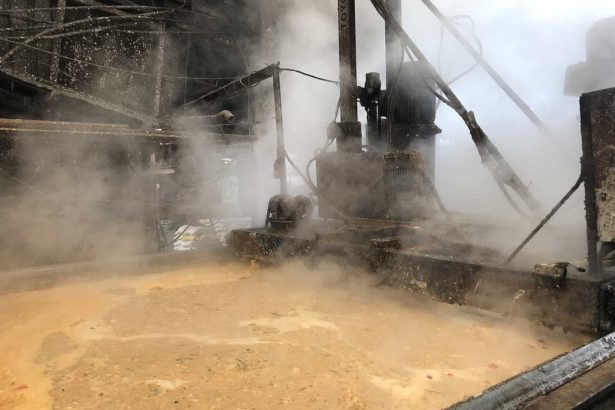
The Battle Over Epidemic Prevention and Food Waste 01"A Close Look at Pig Farming with Food Waste: Pig Farmers Say, "This Is Our Life and Property, We Fear the Disease More Than Anyone!"
The Battle Over Epidemic Prevention and Food Waste 01"A Close Look at Pig Farming with Food Waste: Pig Farmers Say, "This Is Our Life and Property, We Fear the Disease More Than Anyone!"
-
Key Technical Points for Over-summering Management of Semi-cooked Substrate Cultivation of Nameko Mushrooms
In the Dandong area, from mid-June each year, the weather shifts from dry and muggy to the continuous rain season, with persistent drizzle and no adequate sunlight for more than 10 days, high temperatures and high humidity, resembling "sauna" weather. From mid-July until the opening of the beds, there is again scorching sun, and the spawn bags in a high-temperature, high-humidity environment are highly prone to spawn degeneration or invasion by pests and diseases, causing the spawn beds (bags) to become soft and rotten after opening or after the first watering, resulting in varying degrees of economic loss for mushroom growers. Based on our cultivation practice in recent years, we have mastered a set of over-summering management methods. The key management points are introduced as follows:1
-
How should a sick rabbit be handled correctly after it is discovered?
(1) Detect promptly and handle as soon as possible. Each rabbit should be examined 1-2 times every day, and any disease found should be dealt with immediately; delaying will lose the opportunity for treatment. Therefore, the earlier a diseased rabbit is treated, the better. (2) Make a rough judgment and use medication as soon as possible. In addition to being able to make a clear judgment, targeted treatment measures can be taken for conditions such as sarcoptic mange, ringworm, and mastitis; for diseased rabbits with uncertain causes such as diarrhea, fever, and poor appetite, certain drug treatment should be given first. For diarrheal disease, oral or injectable anti-
条件筛选