-
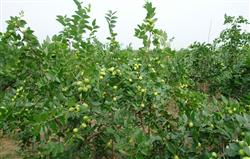
What are the pesticide application methods for jujube tree cultivation? Explained clearly in one article
What pesticide application methods are there for jujube tree cultivation? Please explain. The commonly used pesticide application methods in jujube tree cultivation include the following: (1) Spraying method: generally for emulsifiable concentrates and wettable powders, they should be mixed into an emulsion of appropriate concentration and applied with spraying equipment; ultra-low-volume spray agents can be sprayed directly without adding water. (2...
-
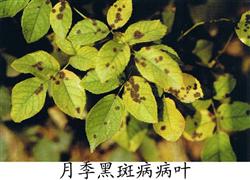
What are the prevention measures for rose black spot disease? Explained clearly in one article
Rose black spot disease is a stubborn disease that harms roses, mainly occurring on leaves, young shoots and flower stalks. The lesions mostly occur on the upper surface of the leaves. On severely affected plants, all the leaves from the lower to the middle part fall off, making the plants grow weakly and susceptible to low-temperature damage to flower buds, affecting flowering the following year, and even causing branches to die. The author...
-
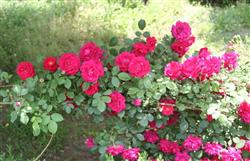
What are the common pests of open-ground roses? Understand them in one article
Roses are flowers prone to many pests. Before carrying out control, you must first understand the symptoms of the pest damage and identify which pest it is; second, you need to understand the timing and patterns of the pest's occurrence so as to treat the right cause. Here we introduce the 4 most common pests. Aphids Aphids gather on the buds, tender leaves, and flower buds of roses to suck...
-
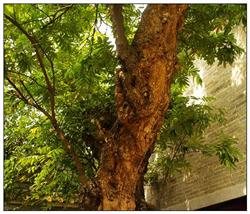
What is longan crown gall disease? Understanding this disease in one article
What is longan crown gall disease? How should it be prevented and controlled? Longan crown gall disease is a newly discovered disease on longan trees. When branches and trunks are affected, it causes premature tree decline. 1. Symptoms: In the early stage of infection, small protrusions appear on the affected branches and trunks, which gradually enlarge to form tumors with a rough or uneven surface and a suberized texture....
-
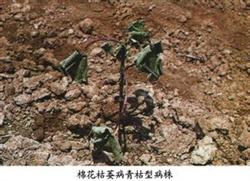
What is cotton Fusarium wilt? A detailed guide in one article
What is cotton Fusarium wilt? What forms does it take? Cotton Fusarium wilt mainly has the following types: (1) Yellow net-vein type. The leaf veins first lose their green color and turn yellow, while the leaf mesophyll remains green, forming a yellow net pattern. (2) Yellowing type. The leaf veins remain green while the mesophyll turns yellow, or both the veins and mesophyll turn yellow. The chlorotic leaves develop from...
-
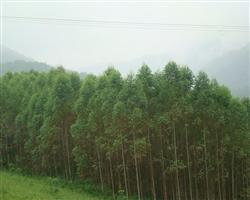
What are the morphological characteristics of eucalyptus? Understanding the appearance of eucalyptus in one article
Evergreen plants, with periodic shedding of old leaves within a year. Most species are tall trees, a few are small trees, and very few are shrub-like. Crown shapes include spire-shaped, multi-branched, and weeping forms. Simple leaves, entire margins, leathery, sometimes covered with a thin layer of wax. Leaves can be divided into juvenile leaves, intermediate leaves, and mature leaves...
-
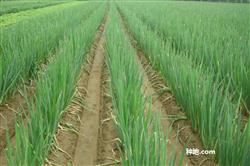
What pests and diseases affect Welsh onions? Common types explained in one article
What pests and diseases affect Welsh onions? How should they be controlled? Please explain. The control of Welsh onion pests and diseases should be based on prevention, implementing a 2-3 year rotation with crops other than Allium species; cleaning the field to eliminate sources of pests and diseases; selecting disease-resistant varieties; disinfecting seeds, that is, before sowing soak the seeds in 50°C warm water for 25 minutes while stirring constantly, then soak...
-
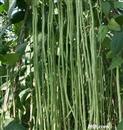
What is formula fertilization for yardlong beans? Read this one article to understand
What is formula fertilization for yardlong beans? Please introduce the formula fertilization method for yardlong beans: 1 Nutrient requirements: producing 1000 kg of yardlong beans requires 10.2 kg of pure nitrogen, 4.4 kg of phosphorus pentoxide, and 9.7 kg of potassium oxide. 2 Key fertilization points for a yield of 2000 kg per mu: 2.1 Base fertilizer. Before planting, apply 3000 kg of organic fertilizer per mu, 4...
-
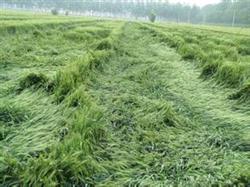
What are the spring lodging prevention measures for wheat? Explained clearly in one article
Lodging is one of the main factors affecting high and stable yields and good quality in wheat. Wheat lodging mainly occurs in high-yield wheat fields with ample fertilizer and water, excessive wheat growth, overly large populations, and dense, shaded field conditions. Early spring is the key period for preventing wheat lodging, and its comprehensive lodging prevention technical measures are: scientifically manage fertilizer and water. For high-yield wheat fields with a population of more than 650,000 plants per mu at the green-up stage, wait until the first internode of wheat has reached its final length (that is, late jointing stage), then apply topdressing and irrigation, applying 7.5-10 kg of urea per mu. This can reduce ineffective tillers, lower the length of basal internodes, promote thick and strong stems, and prevent lodging later, while also increasing grain number per spike and improving quality.
-
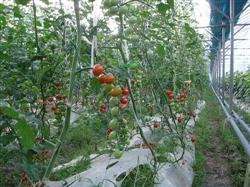
What are the cultivation techniques for cherry tomatoes? Explained clearly in one article
Cherry tomatoes are nutritious and can be used as a raw vegetable, a garnish for premium vegetable dishes, or eaten cooked. They command a high price, store and transport well, have a long market supply period, and are easy to cultivate. The main suitable varieties for cultivation include Cherry Red, Shengnyu, Golden Four Seasons Red, Yellow Pear, and others. Using seedling transplanting, sow seeds in a greenhouse or small...
条件筛选