What are the cultivation techniques for cherry tomatoes? Explained clearly in one article
Cherry tomatoes are nutritious and can be used as a raw vegetable, a garnish for premium vegetable dishes, or eaten cooked. They command a high price, store and transport well, have a long market supply period, and are easy to cultivate. The main suitable varieties for cultivation include Cherry Red, Shengnyu, Golden Four Seasons Red, Yellow Pear, and others. Using seedling transplanting, sow seeds in a greenhouse or small...
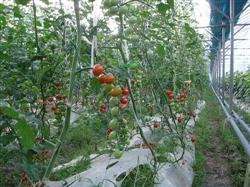
Cherry tomatoes are nutritious and can be used as a raw vegetable, a garnish for premium vegetable dishes, or eaten cooked. They command a high price, store and transport well, have a long market supply period, and are easy to cultivate. The main suitable varieties for cultivation include Cherry Red, Shengnyu, Golden Four Seasons Red, Yellow Pear, and others.
Using seedling transplanting, raise seedlings in a greenhouse or small arch shed from late February to mid-March, transplant in early April, and enter the harvest period in early June. Apply 3000 kg of decomposed organic fertilizer per mu as a base fertilizer at the planting site. The general row spacing is 60-70 cm, and plant spacing is 25-30 cm. Set up supports to prevent lodging, with a frame height of about 2 m. Generally, single-stem pruning is used. In the middle and late growth stages, after the first truss of fruit is harvested, the lower leaves of the plant begin to age and should be removed promptly to improve ventilation and light penetration and prevent disease. During the growth period, attention should be paid to controlling diseases and pests such as powdery mildew, leaf mold, early blight, leafminer, and aphids. Cherry tomatoes should be harvested when fully ripe to ensure their inherent flavor and quality. When harvesting, take care to retain the sepals and pick from the abscission layer of the fruit stalk.