-
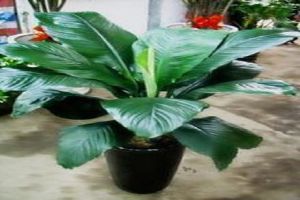
Is the Giant Taro the same as the Peace Lily? Understanding the differences between the two in one article
A flower enthusiast wanted to buy a Giant Taro (Alocasia macrorrhizos), but only after bringing it home did they realize they had bought the wrong one - it turned out to be a Peace Lily (Spathiphyllum). Their leaves are both very green, long and thick, and look extremely similar, so it is understandable that we misidentify them. So are these two green plants really the same plant? The answer is of course not - the two are different. Let's take a look at their differences.
-
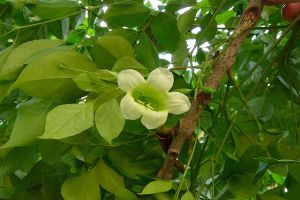
What are the benefits and effects of the Radermachera hainanensis? Learn it all in one article
It also has many interesting alternative names, such as "Hainan bean tree", "large-leaf ox-tail chain" and so on. It is a plant in the family Bignoniaceae, genus Radermachera, and it is also a tree species. When we plant a type of plant, we naturally consider how valuable it is. This plant is grown quite widely in our country, precisely because it has so many uses. So, in what specific ways does its value show itself?
-
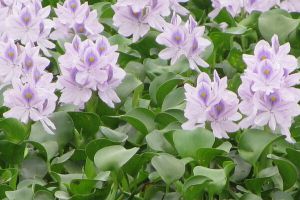
What are the benefits and values of water hyacinth? Read this one article to understand
This plant has very strong adaptability and can withstand cold climates, so it can be found in ponds, ditches and rice paddies at altitudes of 200 to 1500 m. Do you know what value it has? Let's find out!
-
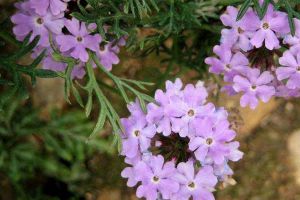
What are the propagation methods for Verbena tenuisecta? Learn it all in one article
This plant is rich in flower colors and is not easily affected by pests and diseases, so everyone likes to grow it. And whether for landscaping decoration or flowerbed accent, it is an excellent basic plant. When its branches grow long, because of the softness of the stems and branches, it is also used as a hanging flower for appreciation. So is it difficult to propagate this very widely used plant? How should it be propagated? Below are several propagation methods for you.
-
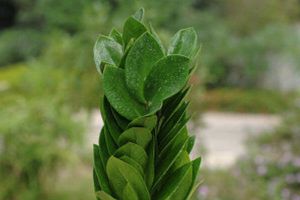
Can the Money Tree Bloom? One Article Explains It All
This is an evergreen plant, and it is also a plant valued mainly for its foliage. Placing it indoors can also have a certain purifying effect. Although this is a foliage plant, can it also bloom? Many people think this plant cannot bloom or does not have flowers. Is this claim true?
-
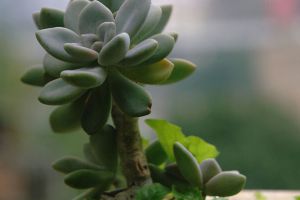
Is the "thick-skinned plant" the same as a succulent? One article makes the relationship between the two clear
When you see this name, do you find it very interesting? It refers to plants in the Crassulaceae family, Kalanchoe genus. It also has many other names, such as "leaf rooting," "wound medicine," "leaf budding," "shameless," and so on, all very fun. It is mainly distributed in the southern provinces of China. Some people think it is a succulent. However, this is not quite strict. So, what is the relationship between them?
-
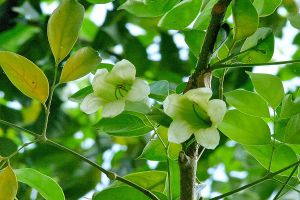
What are the feng shui benefits of the Radermachera sinica? Learn it all in one article
Hearing its name, does it make you think of green and glistening golden ingots? In fact, its name comes from its appearance and form. This plant has an upright tree shape with abundant branches, and when it blooms its fragrance spreads in all directions. Moreover, the flowers on a single inflorescence axis bloom almost simultaneously, forming strings of flower bands that shine with golden light, extremely charming, with very high ornamental value and garden application prospects. Although it grows in the regions of Guangdong and Hainan, because it is very strong in feng shui, it is distributed throughout China in addition to its place of origin, and is very well liked. So what is its feng shui meaning?
-
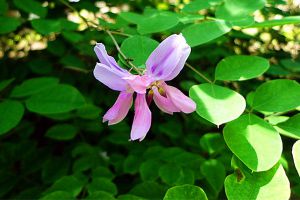
What are the effects and functions of Indigofera amblyantha? Read this one article to understand
This plant is not very demanding about soil, is relatively able to adapt to growing in poor and barren places, and can tolerate a growing environment without moisture, so the chance of it getting sick is extremely small. Its flowers are light purple in color, and its leaves are dark green. So, do you know what functions it has?
-
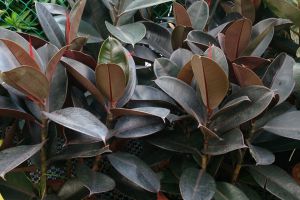
Is the rubber plant toxic? One article explains its toxicity clearly
Because its leaves look quite like rubber, it got this name. Many people started growing this plant because of its good ornamental value, but recently rumors that it is toxic have been circulating, making quite a few friends start to worry. So, is it actually toxic? Are there things to watch out for when growing it?
-
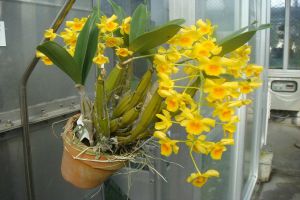
What are the benefits and effects of Dendrobium chrysotoxum? A detailed guide in one article
Recently, it has been widely cultivated, and the main reason is of course its many uses. Specifically, first are its medicinal benefits, such as beautifying the skin, nourishing the blood, calming the mind, and improving eyesight; second, it can be used as a food ingredient, especially when stewed with lean meat, which tastes very good; and then there is its ornamental value, because its bright and beautiful flowers mean it can also be used for viewing.
条件筛选