-
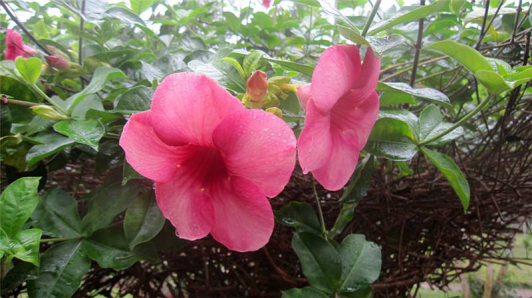
What are the key points to note when growing Dipladenia?
1. Dipladenia needs plenty of light; insufficient light will affect its blooming and is also bad for its growth. 2. When fertilizing, control the dosage of nitrogen fertilizer; excess nutrients will make the Dipladenia plant grow too vigorously, which is bad for blooming. 3. Although Dipladenia has strong stress resistance
-
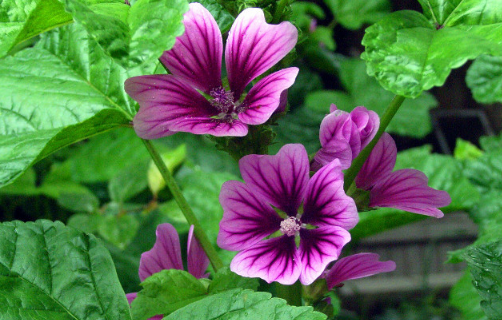
What should be noted when growing hollyhock mallow?
Pruning: During the growth of hollyhock mallow, pruning needs to be carried out regularly. Cut off dead branches, diseased branches, weak branches, crowded branches and spent flowers. This helps ventilation and light penetration, and encourages the plant to branch more and bloom.
-
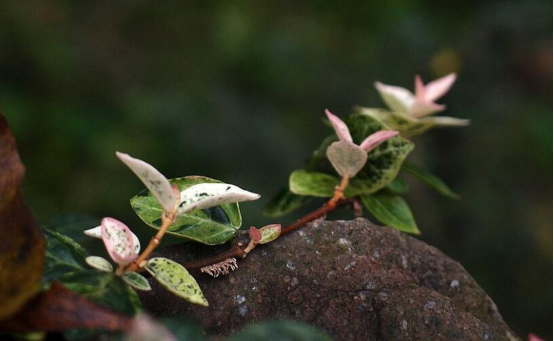
What should be noted when growing Variegated Star Jasmine (Trachelospermum jasminoides 'Variegatum') in water?
In the cultivation of Variegated Star Jasmine, light is the most important factor that makes the leaf color change. If it is grown in water indoors for a long time, attention must be paid to the issue of light exposure. A long period of insufficient light will make the leaves of Variegated Star Jasmine a single color, with most leaves tending toward light green, greatly reducing its ornamental value.
-
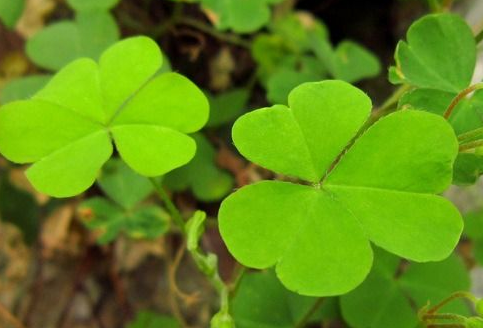
What are the key points to note when growing oxalis?
1. Soil Oxalis likes fertile, moist soil, but it is also afraid of waterlogging, so the soil must have good drainage. 2. Temperature Oxalis grows best in warm conditions at 16-22°C and is fairly cold-tolerant; it can stay lush green in winter even at minus five degrees, but if the temperature drops below minus five degrees the leaves will wither.
-
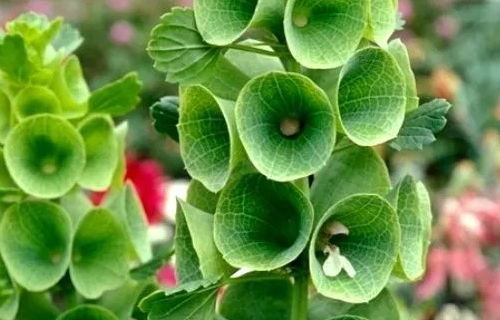
What are the key points to note when growing Moluccella laevis?
Pinching During the growth of Moluccella laevis, pinching is needed to encourage more branching and to shape the plant. Pests and diseases Moluccella laevis is fairly robust by nature and has relatively few pests and diseases, but sometimes it can be harmed by leaf miners, so you need to observe the plant's growth regularly, spot the problem in time, and take control measures.
-
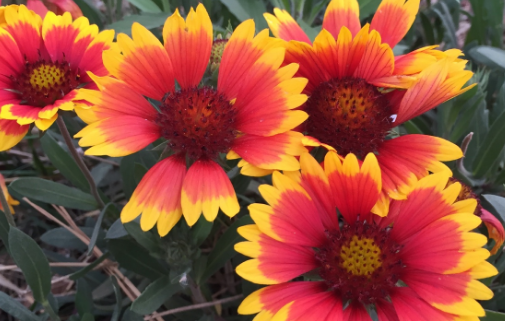
What are the key points to note when growing blanket flower?
When the blanket flower seedlings are ready to be transplanted into pots, place some broken tiles or crushed bricks at the bottom of the pot to serve as a drainage layer, then sprinkle some decomposed fertilizer as a base fertilizer, and put another layer of soil on top of the base fertilizer. After that, the plant can be planted, and once planted it should be watered.
-
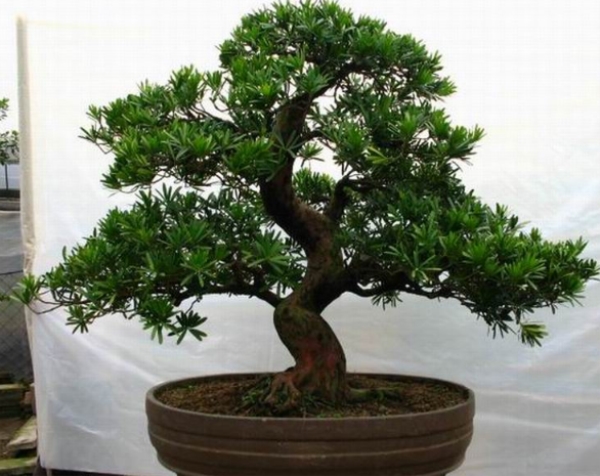
What are the key points to note when growing Buddhist pine (Podocarpus macrophyllus)?
Because Buddhist pine has a well-developed root system and strong sprouting ability, and stays green with foliage throughout all four seasons, it consumes a large amount of nutrients during its annual growth. If grown for two years, the walls of the pot are basically filled with fibrous roots, and the fertility of the soil is basically exhausted. Therefore, during its growth, it is essential to repot frequently to maintain the nutrient supply
-
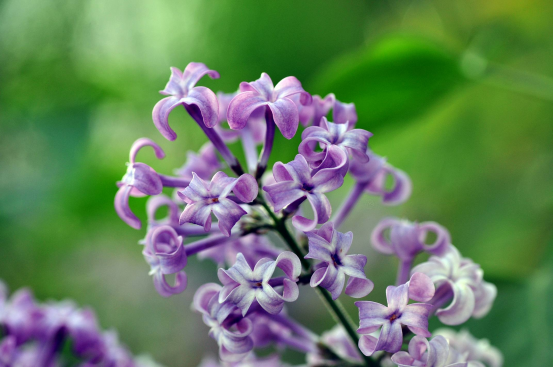
What are the key points to note when growing lilacs?
1. Lilac is a subtropical plant that prefers an island climate, and the average temperature for the plant should not be lower than 21°C. 2. If the temperature drops below 3°C, it will cause the lilac plant to die. 3. For growing lilacs, neutral soil is preferable; acidic soil should be avoided. It is not tolerant of waterlogging, so watering must be done with care and not too much.
-
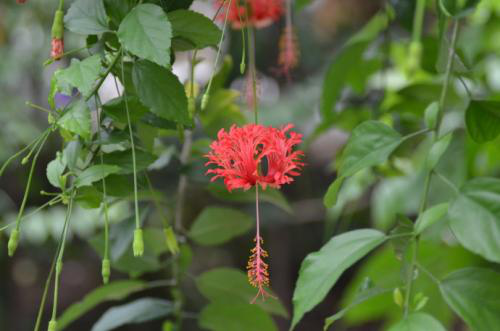
Notes on growing the hanging lamp hibiscus (Chinese lantern hibiscus) as a potted plant at home
1. Root-knot nematode disease. This is a widely distributed and seriously damaging disease, especially common when growing the hanging lamp hibiscus. When red-brown necrotic spots appear on the leaf edges and spread inward, you need to be on guard. At this point you can repot the soil and apply aldicarb granules to the new soil.
-
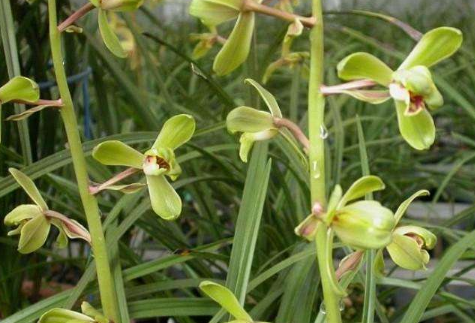
Cymbidium faberi cultivation methods and points to note
1. Soil: For flowers to grow well, the root system must first be well cared for, so the most suitable soil for Cymbidium faberi is fertile, loose humus soil, which is rich in nutrients and beneficial to root growth. 2. Light: Cymbidium faberi is the most light-loving type of orchid and can adapt to relatively strong light, but in summer it still needs shading, while in the other seasons it should be given more light.
条件筛选