-
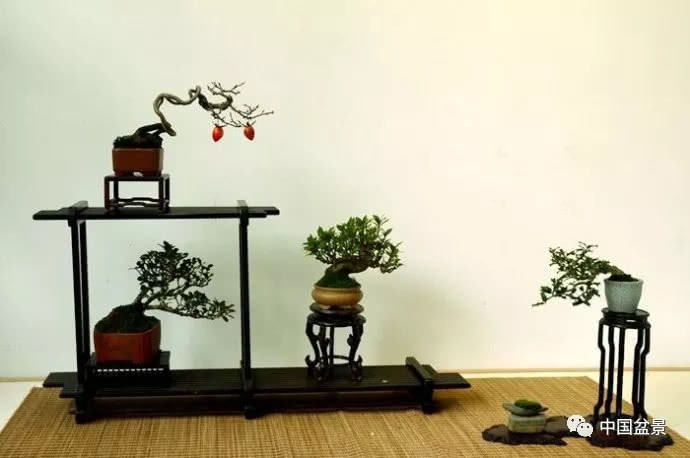
Appreciate miniature bonsai, and be grateful to everyone who appears in your life
[Bonsai Enthusiast's Reflections] Text | Xiamen, Fujian @Zhou Yingzhi How much you let go, that much you will gain. Shede, shede - letting go is gaining, and gaining is letting go. To gain something, you must have let go of something. Shede is like the black-and-white pattern in the Taiji diagram: the circle remains eternal and unchanging, but when black is more, white is less, and when white is more, black is less. If you let go, you will not fuss over black and white, more and less, gain and loss. In truth, black and white, more and less, gain and loss are merely illusions of the heart.
-
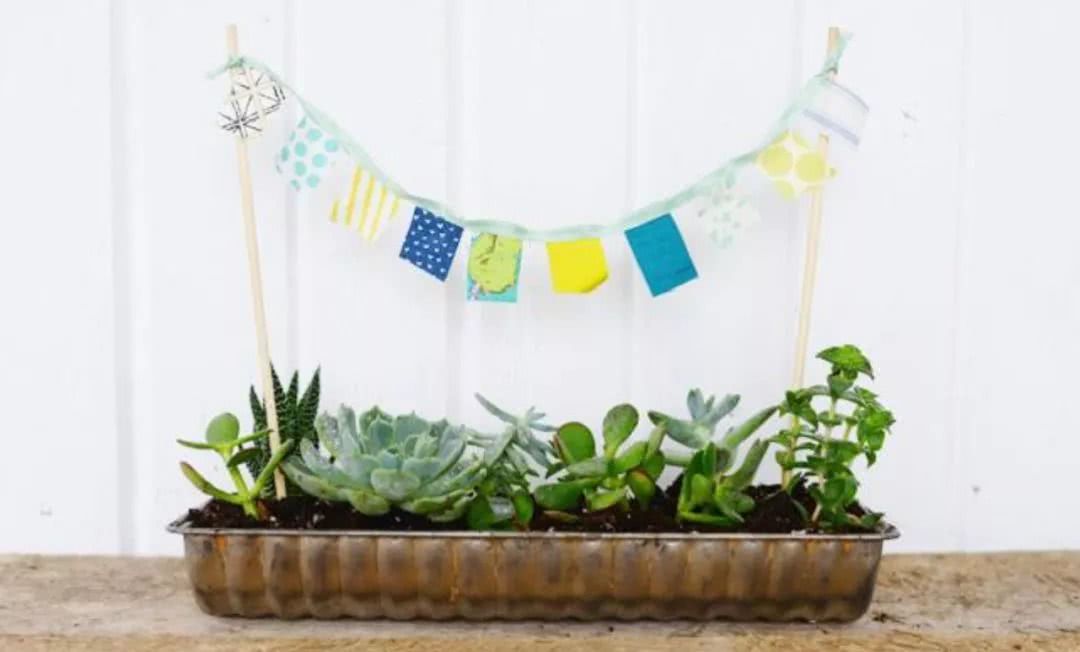
Make your own succulent mini garden in early autumn using these discarded materials
If you want to grow your own succulent mini garden in autumn, then this little tutorial is perfect for you. You can plant succulents of various different forms together to create a charming combination planter, and of course their...
-
Detailed Key Points of Spring Cultivation Techniques for Mini Pumpkins
I. Timely Sowing: For greenhouse cultivation, sow in spring from mid-January to early February, with a seedling age of 20-25 days; for low-tunnel open-field cultivation, sow in mid-to-late February, with a seedling age of 20-25 days, and transplant into low tunnels in early-to-mid March. II. Seed Treatment and Sowing: Soak pumpkin seeds in clean water for 3-4 hours, then soak in a 500-fold dilution of 50% carbendazim...
-
Detailed Explanation of Key Techniques for Spring Cultivation of Mini Pumpkins
Mini pumpkin is a first-generation hybrid bred by the Suzhou Vegetable Research Institute, a variety specifically for protected cultivation, with medium growth vigor, dark green leaves, vines 2.0-2.5m long, short internodes, medium branching, and both main and side vines can bear fruit. It has strong adaptability, fast growth, high yield, small individual size, golden yellow color, and good taste, suitable for long-distance...
-
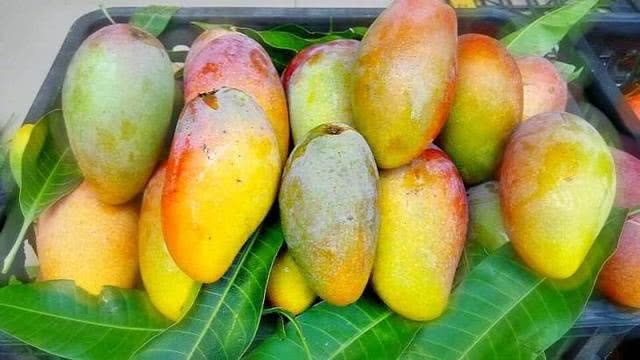
Don't throw away the mango pit - with just a few simple steps you can grow a miniature mango bonsai
Speaking of mangoes, this editor really loves eating them, but don't rush to throw away the mango after eating it. What, you're keeping it to grow a little one? You guessed right - we can use the mango pit to make a mango potted plant, and it has a really fresh, delicate feel...
-

After autumn begins, give your Clivia miniata enough nutrients, and new shoots will keep sprouting, bursting into heavy bloom in deep winter.
Clivia miniata is not only noble but also full of character; it is especially beautiful when in bloom, and even when it is not flowering, its ornamental value is unaffected, making it deeply loved by flower growers. Many flower lovers like to keep a few pots at home for enjoyment. But if you want...
-
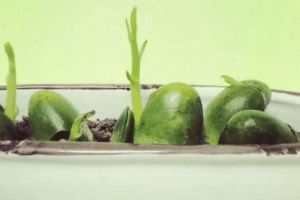
Fruit you've finished eating can also become a mini garden - he didn't spend a single cent
Huahua has a friend who really loves lush green small potted plants. But not a single potted plant in her home was bought - they were all grown from fruit she ate! Speaking of this, aren't you curious? Then follow Huahua and see how her potted plants were grown!
-
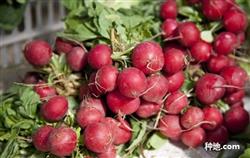
Detailed Explanation of Key Cultivation Techniques for Mini Radishes
How to cultivate mini radishes? Please advise. Mini radish is a small type of radish with a short growth period, and its fleshy root grows rapidly. Each crop's growing period is less than 1 month. The root skin is deep red with a beautiful color. It can be eaten raw, stir-fried or pickled, and has a unique flavor. It is a high-quality pollution-free vegetable and is very popular among consumers. Now...
-
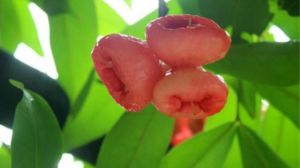
What is the difference between Syzygium cumini and Syzygium samarangense?
Leaf differences: Syzygium cumini leaves are leathery, broadly elliptic or narrowly elliptic, with rounded obtuse tips; Syzygium samarangense leaves are thinly leathery, elliptic or oblong, with obtuse or slightly pointed tips. Flower differences: Syzygium cumini has axillary paniculate inflorescences, white flowers, and 4 petals; Syzygium samarangense has terminal or axillary cymose inflorescences, with white flowers.
-

How to grow a Clivia miniata potted plant? Growing methods and precautions
Clivia miniata is native to southern South Africa and is a perennial herbaceous plant. Its flowering period lasts 30-50 days, mainly in winter and spring, and it also blooms around New Year's Day to the Spring Festival. It dislikes strong light and is a semi-shade plant. It likes cool conditions and dislikes high temperatures. The suitable growing temperature is 15-25°C, and growth stops below 5°C.
条件筛选