-
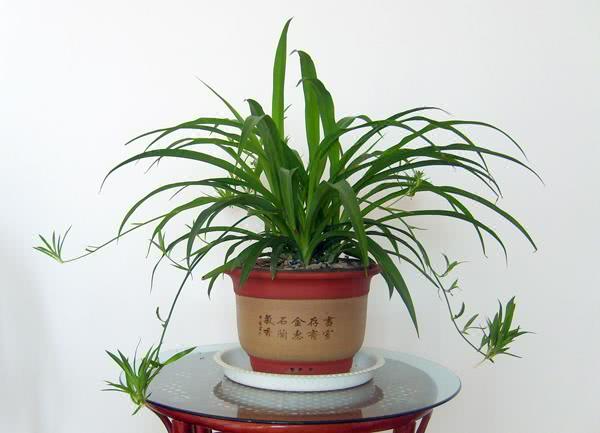
Spider plant leaf tips withering and turning yellow in summer: three methods to restore its lush green
Spider plant, evergreen all year round, suspended indoors, can be called an "aerial flower." The stolons it sends out from the leaf axils produce many small rooted plantlets that hang down along the pot, very elegant. Spider plant is also known as an indoor air "purifier," it can absorb...
-
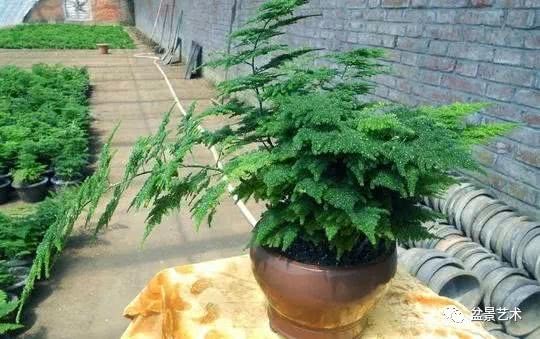
How to prune potted asparagus fern for a more beautiful shape? Detailed methods
Potted asparagus fern (Asparagus setaceus) is deeply favored by the general public for being easy to grow, elegant in appearance, and able to absorb toxic gases. The whole asparagus fern is verdant; although its stems and branches are slender, they stand upright, and its leaf-like branches spread horizontally in an approximately triangular form, with leaves reduced to membranous scales...
-
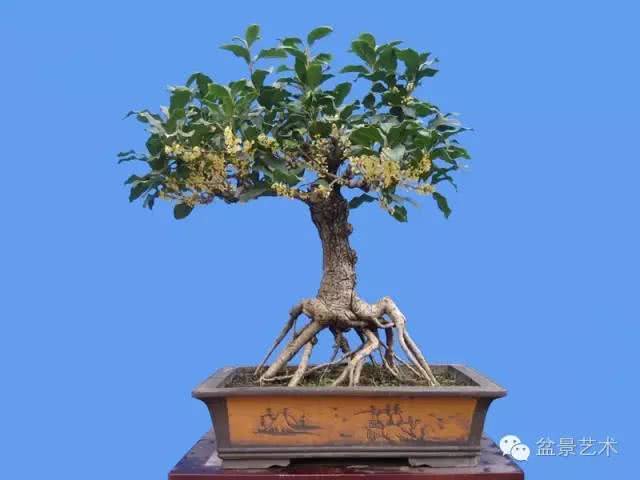
Detailed Explanation of Bonsai Making Methods and Cultivation Techniques
Osmanthus Bonsai Cultivation Techniques: Osmanthus prefers warmth and moisture. The average temperature for osmanthus cultivation is 14-28°C, with an average July temperature of 24-28°C and an average January temperature above 0°C; it can tolerate a minimum temperature of -13°C, and the optimum growth temperature is 15-28°C. Humidity has...
-
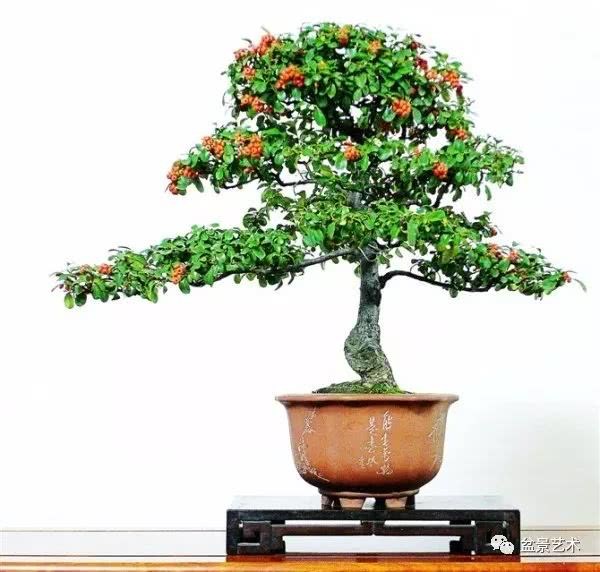
Detailed Explanation of the Technical Methods for Making Bonsai from Firethorn Seedlings
Firethorn (Pyracantha) is an evergreen shrub or small tree of the genus Pyracantha in the rose family (Rosaceae). It is a subtropical tree species, naturally distributed in the mountains and wilds of the southern provinces. Its branches are dense and its leaves small, and it has extremely strong resistance to stress. In May, white flowers cover the whole tree, like snow weighing down the branches; after flowering it sets fruit, which ripens from October to December...
-
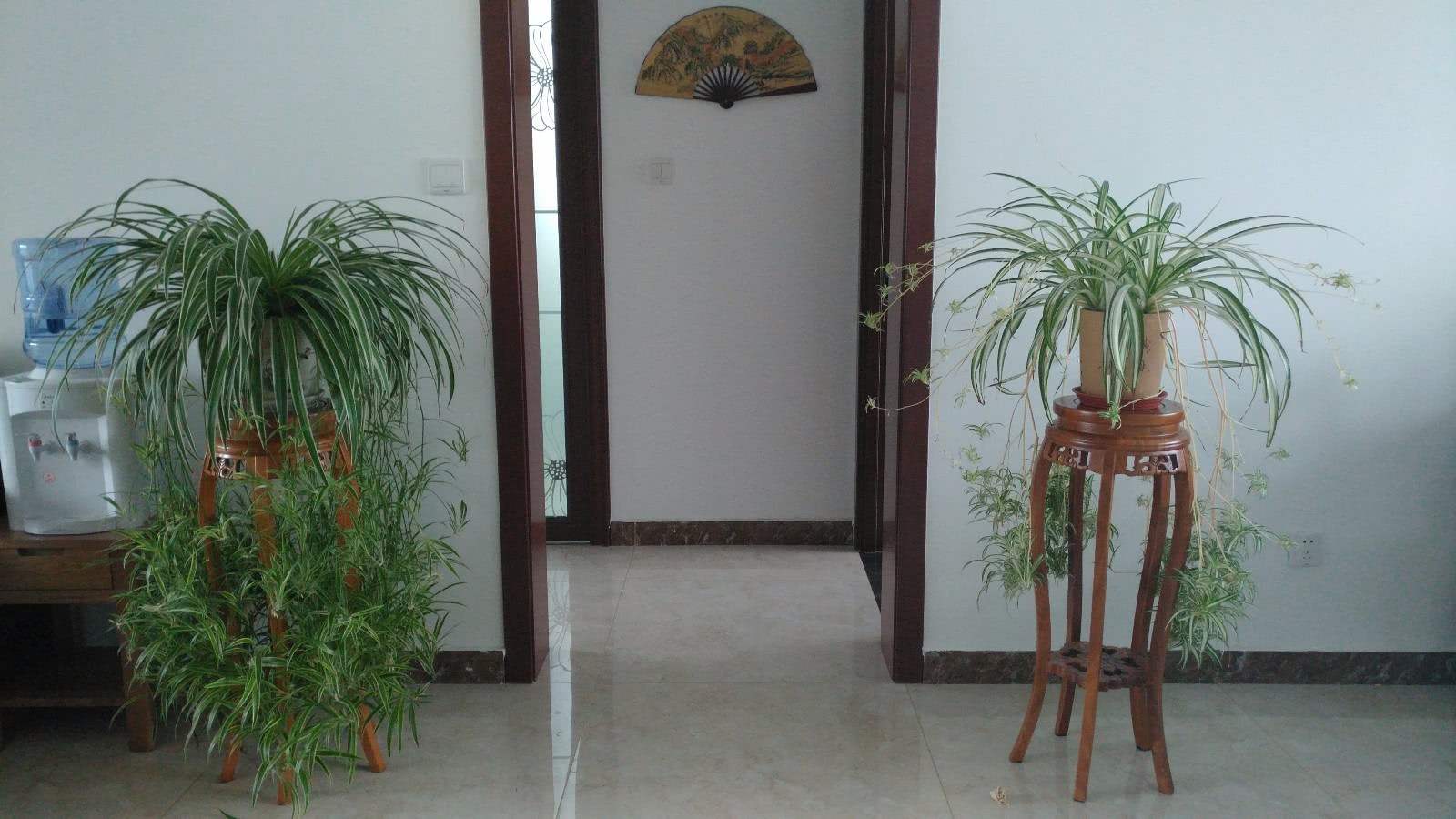
What varieties of spider plant are there? A full guide to summer care methods
Besides pothos, the spider plant is also excellent at purifying the air, and its ability to absorb harmful gases such as formaldehyde and carbon monoxide from the air is even stronger than that of pothos. The spider plant has long been known as the "fairy in the air", and there are many varieties; the more common ones include...
-
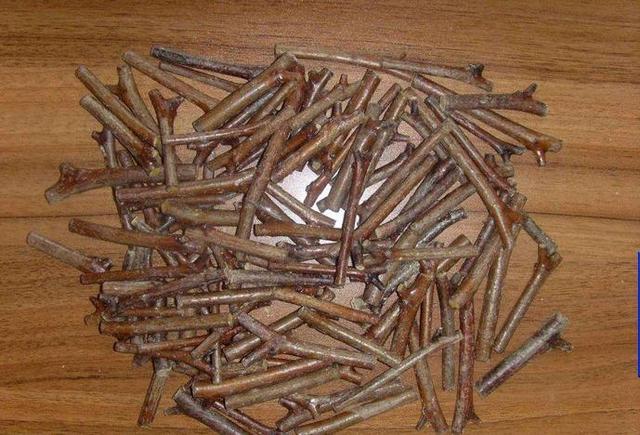
Detailed Explanation of Scion Selection Methods and Wax Sealing Techniques for Fruit Trees
Scion Selection and Wax Sealing Techniques for Fruit Trees. Scion selection. ① The grafted variety must be superior, of high economic value, and adapted to the local climate. ② Scions must be collected from superior mother trees. A superior mother tree refers to one that has been investigated and observed over many years...
-
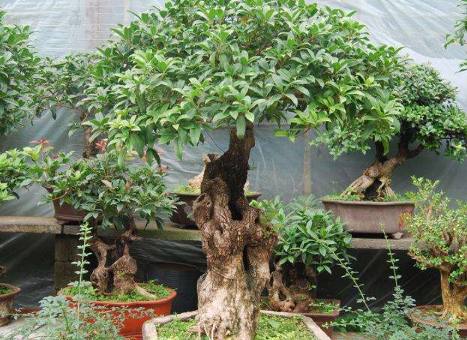
Can potted osmanthus be propagated by cuttings in high summer temperatures? A detailed guide to care methods
Potted osmanthus can indeed be propagated by cuttings in summer, but when summer temperatures are too high, some osmanthus varieties enter a semi-dormant state, their metabolism slows down, and the cambium becomes inactive, so after cuttings are taken they need double the care. For summer osmanthus cuttings, it is recommended to follow the...
-
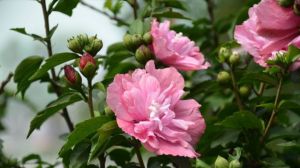
What to Do About Root Rot in Rose of Sharon? Cause Analysis and Treatment Methods
There are many causes of root rot in rose of Sharon (Hibiscus syriacus): if it is caused by poor soil drainage and aeration, replace it with well-aerated soil as soon as possible. If it is caused by excessive watering, loosen the soil appropriately and reduce the amount of watering. If it is caused by excessive fertilizing, reduce fertilizing appropriately and control the fertilizing frequency well, and water appropriately more to let the excess fertilizer leach out.
-
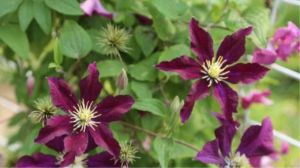
What to Do About Root Rot in Clematis? Cause Analysis and Treatment Methods
There are many causes of root rot in clematis: if it is caused by excessive watering, then the amount of watering must be controlled. If it is caused by poorly aerated soil, then loosen the soil appropriately, or replace it with loose, well-aerated soil. If it is caused by disease, then use medication promptly, cut off the rotted roots and disinfect them, and simply replant.
-
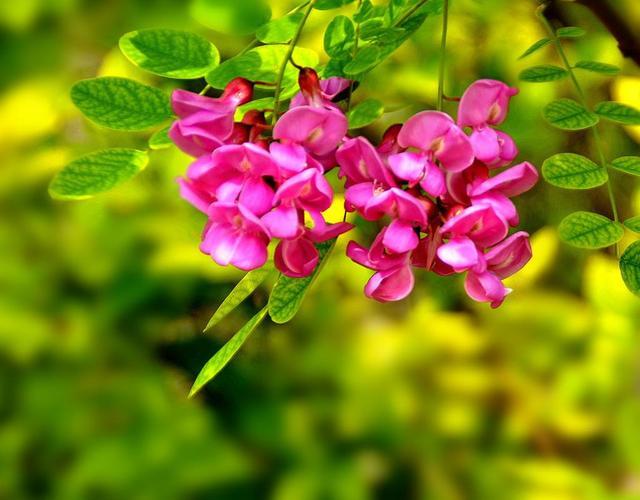
Cultivation Techniques for Sophora japonica var. violacea: Propagation Methods and Pest and Disease Control
Cultivation Techniques for Propagation and Pest and Disease Control of Sophora japonica var. violacea 1 Biological Characteristics Sophora japonica var. violacea belongs to the Papilionoideae, Fabaceae, a tree species with a height of 10-12 m, a straight and upright trunk, sparse branches and long internodes, and grayish-brown to brown bark. Leaves are alternate, 17-19 in number, pinnately compound...
条件筛选