How to prune potted asparagus fern for a more beautiful shape? Detailed methods
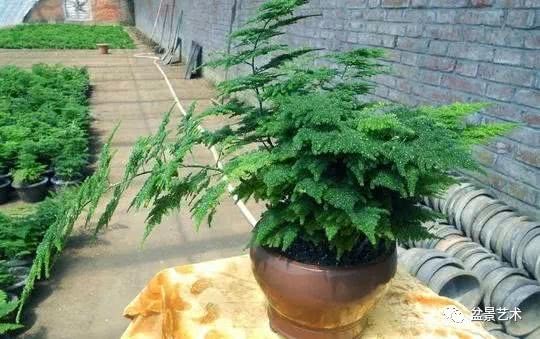
Potted asparagus fern (Asparagus setaceus) is deeply favored by the general public for being easy to grow, elegant in appearance, and able to absorb toxic gases. The whole asparagus fern is verdant; although its stems and branches are slender, they stand upright, and its leaf-like branches spread horizontally in an approximately triangular form, with leaves reduced to membranous scales that cling to the branches like down feathers. Because its stems grow in clusters from the base and vary in height, the cloud-like foliage layers upon layers, which is why it is also called cloud bamboo.
If you want the asparagus fern to stay verdant, elegant and graceful in appearance, you must prune it at the right time (spring or autumn).
There are two ways to propagate asparagus fern: sowing and division. For plants propagated by sowing and grown for about one year, during the growing period you should mainly strengthen management of their natural growth. When you see a new stem emerge and reach a certain height, that is, when the entire leaf base appears, especially when the branch tips at the upper end of the stem have all grown out, you should then fix the position of the flower pot according to your own requirements, and the new branches will spread horizontally toward the sunny side. Asparagus fern at this stage generally will not grow new climbing stems, so the plant shape generally does not need pruning; proper tying is enough. For asparagus fern grown for about two years, it begins to grow new climbing stems. At this point, you can handle it in different ways according to your specific conditions and preferences. You can let it grow naturally on a hanging string, or let it climb onto a flower stand or onto the old stems and old branches of the asparagus fern, or simply cut some off. However, the latter two approaches not only affect the growth of the asparagus fern but also damage the beauty of the whole plant, so proper pruning is best. The method is to prune the longer climbing old stems several times in succession according to the shape of the whole plant and your own requirements, cutting off all or part of the upper portion of the old stems that bears branches and leaves. To give the new branches growing from the leaf bases of the pruned old stems a certain layered effect, when pruning you should create a height difference between adjacent old stems. About 20 days after pruning, the old stems will sprout new branches and leaves from the uppermost leaf base. As for how to determine the direction in which the newly grown branches and leaves spread, it is the same as described above.
During growth, the newly grown branches and leaves must not touch other branches, leaves or objects, otherwise it will affect the normal growth of the new branches and leaves and the beauty of the plant shape.
To make the whole asparagus fern grow well and look beautiful, you also need to cut off overly dense, withered and yellow branches and leaves as well as weak stems, so as to improve ventilation and light penetration, promote growth and enhance its ornamental value.
Because the branches and leaves of asparagus fern spread horizontally, they easily collect dust, which is also bad for its growth and appearance, so it needs to be sprayed with water to remove the dust. Before spraying, it is best to gently shake the stems and leaves with your hands, or blow on them with an air pump, to first remove some of the floating dust, then slowly spray and wash them with a fine-nozzle watering can; this works better. After spraying, gently shake off the water droplets left on them. Some people cover the asparagus fern with a transparent plastic bag to temporarily protect it from dust. Although this works, it affects ventilation and light, and is also bad for viewing.
When tying the asparagus fern, it is not advisable to insert thick bamboo or wooden sticks into the pot or use too thick string, as this does not match the slender stems and branches of the asparagus fern. You should use thin string close in color to the asparagus fern to tie the stems and branches and adjust the plant shape; this way it will not affect its verdant grace. With reasonable care, a potted asparagus fern will surely give your room a fresh new look.