-
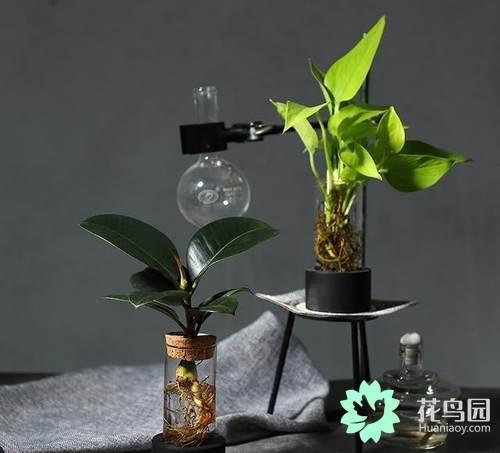
Hydroponic Methods and Care Management Tips for the Rubber Plant
The rubber plant, also known as the Indian rubber tree, Indian rubber fig, rubber tree, or Burmese tree, belongs to the genus Ficus in the mulberry family. It is widely cultivated in the south-central part of South China and in Xishuangbanna, Yunnan, while in the vast areas from northern South China to North China it is only suitable for pot cultivation. The leaves of the rubber plant are thick...
-
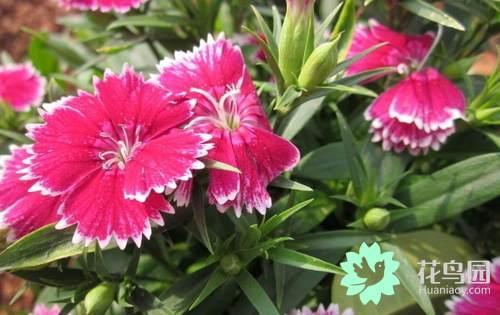
What are the planting methods and precautions for Rainbow Dianthus?
Rainbow Dianthus is a very beautiful flowering plant, also known as American Dianthus, fringed pink, and so on, and is one of the famous traditional flowers in China. Although Rainbow Dianthus belongs to the Caryophyllaceae family, it can also bloom! So how should this beautiful Rainbow...
-
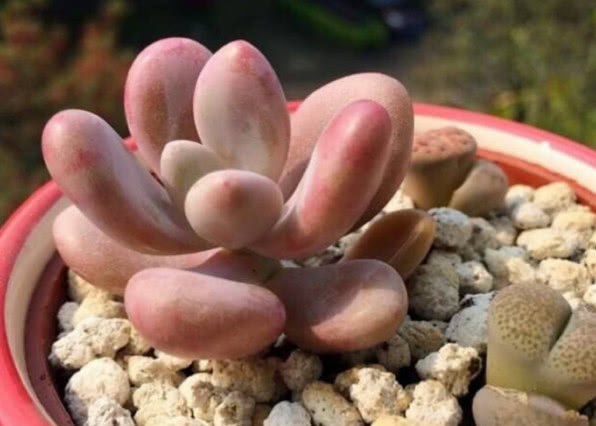
Peach Beauty routine care methods and things to watch out for
Peach Beauty (Pachyphytum 'Peach Beauty') is very beautiful, and its leaves have a kind of crystal-clear look, but if you do not grow it well, the leaves are not plump and become flat, and it will look much worse. On the surface of its leaves there is a covering of...
-
Correct Methods and Technical Key Points for Foliar Fertilization of Vegetables
Spraying an aqueous solution of the nutrients plants need onto the leaves, so that plants directly absorb effective nutrients through their leaves, is a technique called foliar fertilization of vegetables. Compared with soil fertilization, this technique has the advantages of rapid conversion, high fertilizer use efficiency, and promotion of nutrient uptake by the root system. Foliar fertilizers can be broadly divided into macro...
-

Key Technical Points and Detailed Methods of Foliar Fertilization
Do not spray in extremely hot weather or before rain, so as to avoid burning the seedlings or losing fertilizer nutrients. The best time to spray is in the early morning or afternoon each day, and after spraying, wait 7-10 days before spraying again. When spraying on cereal crops or crops with smooth leaves, add 0.1% adhesive (such as laundry detergent or dish soap), etc. Otherwise, the effect...
-
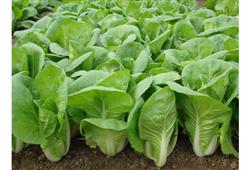
Application Methods of Potassium Fertilizer in Vegetable Cultivation
There are many types of potassium fertilizer, and different types have different application methods. Commonly used potassium fertilizers include potassium chloride, potassium sulfate, potassium-magnesium fertilizer and plant ash. Potassium chloride and potassium sulfate are physiologically acidic fertilizers and should be applied together with lime and organic fertilizer. For chlorine-sensitive crops such as potatoes, potassium chloride and potassium-magnesium fertilizer with high chlorine content should not be applied...
-
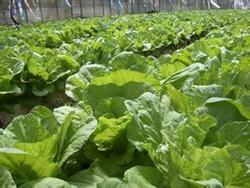
Scientific application methods and technical key points for potash fertilizer
Potassium is one of the three essential fertilizer elements. Many vegetables often require more potassium than nitrogen and phosphorus; well-grown vegetables contain potassium at 2.5%-7% of their dry matter, higher than their nitrogen and phosphorus content. Most vegetables absorb more potassium than nitrogen; for example, the nitrogen-to-potassium ratio absorbed by cucumber is 1:(1.5-1.7), by pumpkin is 1:2.1, and by tomato is 1:...
-
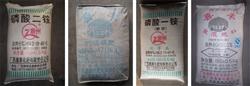
How to tell real phosphate fertilizer from fake? Here are a few practical methods
1. The role of phosphorus: the swelling element (the main nutrient for swelling of crop roots, stems, leaves and fruits), the energy of cell division. Deficiency symptoms: the most direct manifestation is uneven crop sizes in the field, especially obvious in orchards, and now most field crops also show this, with individual plants showing...
-
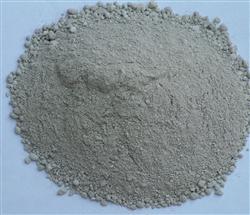
How to tell good phosphate fertilizer from bad? A few practical methods
August to October is the suitable sowing period for autumn crops in the south, such as rapeseed, broad beans, green manure, potatoes and various autumn vegetables, all of which are sown during this period. Experienced farmers know that autumn crops emphasize the application of phosphate fertilizer; this is based on the causal relationship between crops, soil and fertilizer, and is determined by phosphate fertilizer itself...
-
How to identify organic fertilizer? A few practical methods to teach you
1 Water soaking method Take a cup, soak an organic fertilizer sample in water, then use your hand to crush the organic fertilizer soaked in the water, stir it a bit and you can intuitively see the raw materials of the organic fertilizer; then let it sit for a while, if the organic fertilizer and water separate within a short time, it means the organic fertilizer has a high specific gravity and contains more soil. 2 Smell method Carefully...
条件筛选