What are the planting methods and precautions for Rainbow Dianthus?
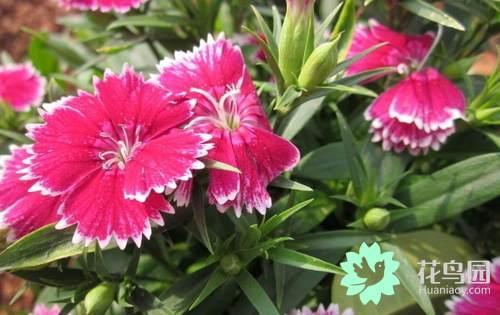
Rainbow Dianthus is a very beautiful flowering plant, also known as American Dianthus, fringed pink, and so on, and is one of the famous traditional flowers in China. Although Rainbow Dianthus belongs to the Caryophyllaceae family, it can also bloom! So how should this beautiful Rainbow Dianthus be planted? Let's learn about it together below!
How to plant Rainbow Dianthus
1. Soil: Dianthus requires fertile, loose, well-drained loam or sandy loam containing lime, and tolerates alkaline soil fairly well. You can use a potting mix made by blending 6 parts garden soil, 2 parts compost, and 2 parts sand.
2. Watering: During the growth and development period, it is best to keep the potting soil moist for Dianthus; too much watering easily causes root rot.
3. Sunlight: During the growing period, Dianthus requires ample light, so place it in a sunny spot. In summer, diffused light is preferable, and avoid harsh sun exposure. When temperatures are high, provide shade and cooling.
4. Temperature: The suitable growing temperature for Dianthus is 15-20°C. In winter, it should be placed in a greenhouse, with the temperature kept above 12°C.
Rainbow Dianthus planting methods and precautions
1. Rainbow Dianthus is commonly planted by cuttings. Insert the cuttings into flower pots, a propagation tray, or a mixed cutting propagation soil, and keep it moist.
2. Under normal conditions, roots form within three weeks, and it grows best in a coconut coir mixed potting soil. After the cuttings take root, pinch the tip of the main shoot to encourage new shoots; morning is the best time for pinching.
3. Rainbow Dianthus prefers light and well-drained soil. You can create a suitable growing environment for them by mixing coarse sand into clay or by making raised beds. The louder the squeaking sound when you squeeze a handful of sandy soil in your hand, the better the soil quality.
4. Regularly pruning the flower stems can encourage continuous new blooms, but merely cutting off the spent flower heads is not enough. You should cut off the entire flowering stem, so that the plant is encouraged to tiller from the base.
5. During the growing season, Rainbow Dianthus should be given a top-dressing of a phosphate-rich tomato fertilizer diluted with water once every two weeks.
6. If you want Rainbow Dianthus to have abundant flowers and lush leaves, you should cut them short in early September to form dense flower clumps.
7. Precautions: Rainbow Dianthus's demand for water is actually not consistent. In spring and autumn, when the weather is relatively dry, you can water a little more; while in summer, when the weather is scorching and water evaporates quickly, you need to water frequently. However, because there is too much rain during the plum rain season, you still need to pay attention to timely drainage and loosening the soil. In addition, in the severe cold of winter, to avoid cold damage, you must water less.
Sowing time for Rainbow Dianthus
Some flower enthusiasts want to grow Rainbow Dianthus themselves but do not know when to sow it. In fact, the sowing time for Rainbow Dianthus varies from place to place. Flower enthusiasts need to know that the optimum temperature for Rainbow Dianthus seed germination is 21°C-22°C, but this temperature is not an absolute value.
Sowing is not just about seeing germination; there is also the follow-up care issue. Rainbow Dianthus is cold-tolerant but not tolerant of severe heat. If sown in spring or summer, it may very likely struggle to get through the summer, because many places are very hot and humid in summer. Therefore, the relatively ideal sowing months are September to December, because many flower enthusiasts now sow on balconies and have propagation boxes, so the temperature can be created artificially, and after germination there is no need to worry about Rainbow Dianthus getting through the summer.
Although sowing in winter can create a germination temperature, the light in many flower enthusiasts' homes is not very ample, which may very likely cause the seedlings to grow leggy. Therefore, when sowing Rainbow Dianthus, flower enthusiasts can consider the three aspects of temperature, light, and later care comprehensively.