-
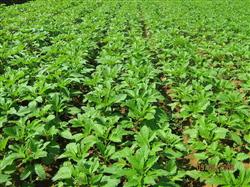
How to fertilize sesame for high yields? Detailed fertilization methods
How to fertilize sesame for high yields? Please provide guidance on the nutrient requirements of high-yielding sesame. Sesame is a fertilizer-loving crop; for every 100 kg of seed produced, it needs to absorb 8-9 kg of pure nitrogen, 3 kg of phosphorus pentoxide, and 7 kg of potassium oxide. At present, sesame yields are generally 40-60 kg per mu, while high-yielding fields generally reach 75-95 kg...
-
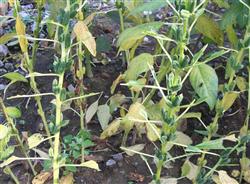
How to prevent and control sesame mosaic virus disease? Detailed control methods
How to prevent and control sesame mosaic virus disease? Please advise. Distribution and damage of sesame mosaic virus disease: It mainly occurs in sesame-producing areas of Henan, Hubei, Jiangxi, Anhui and other provinces. There are two types: common mosaic type and crinkled mosaic type. It is caused by single or mixed infection of Turnip mosaic virus (TuMV) and a spherical virus (CMV)....
-
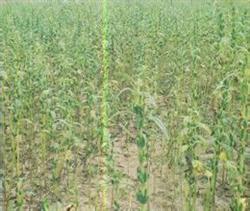
What methods are used to control sesame leaf blight?
What can prevent sesame leaf blight? Please learn about the distribution and damage of sesame leaf blight: It occurs in all sesame-producing areas nationwide. This disease is caused by the fungus Corynespora cassiicola. In addition to harming sesame, it also harms crops such as soybean and straight bean. Symptoms/morphological characteristics: After seedlings are damaged, the leaves and stems die;...
-
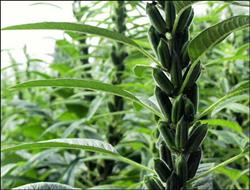
How to grow sesame for higher yields? Practical planting methods shared
What methods can increase sesame yields? Here are methods you can refer to for increasing sesame yields: 1. Spray chlormequat in time. Using it at the sesame seedling stage can make sesame stems and branches thick and strong, lower the capsule-bearing position, increase the number of nodes and capsules, increase grain weight, and raise yields by 35%. The method of use is: at the 2-3 pairs of true leaves stage of sesame, continuously spray...
-
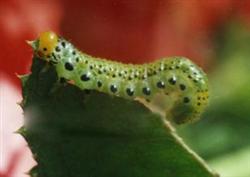
What to Do When Roses Have Pest Problems? A Detailed Guide to Prevention and Control Methods
Common pests that harm roses include leafcutter bees, stem sawflies, rose middle noctuid moths, cottony cushion scale, and red spider mites. Main control methods: 1. Leafcutter bees. They mainly damage the tender leaves of plants, and when they occur in large numbers they can bite complete leaves into ragged, incomplete ones within a short period. Mainly use manual capture of adults or spray 50%...
-
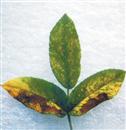
How to prevent and control rose rust? These methods you need to master
I. Symptoms Rose rust is a major disease of roses, common throughout southwest China, and more severe in areas with warm weather year-round and rainy, foggy winters. According to the author's surveys over many years, the incidence rate in some areas of our province is as high as 80%. White-flowered and purple-flowered roses are both infected, causing leaf drop, affecting growth and flowering, and it also...
-
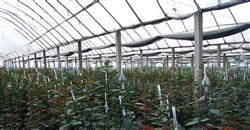
How to prevent and treat rose rot? Sharing practical methods
Roses have brilliant colors and a pleasant fragrance. They are a famous raw material for fragrances, and also a flavoring raw material for smoking tea, making wine, and various sweet foods. Their value is very high, and on the international market, the price is higher than gold. Roses like sunlight, so the cultivation site should be chosen in a sunny, dry place; they do not bloom easily in shaded areas. As for soil and climate...
-
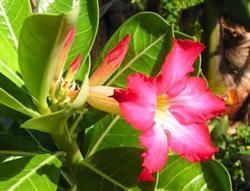
What are the control methods for soft rot in desert rose?
Desert rose soft rot is a major disease affecting desert rose. The desert rose has gorgeous flowers, blooms profusely, and is a short, sturdy plant; especially the root and stem portions have an ancient, vigorous posture, making it an excellent succulent plant for tropical regions. It has been introduced into our country for more than 10 years and grows well, but the occurrence and damage of its soft rot often causes the entire plant...
-
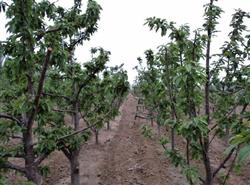
Management Methods and Technical Key Points for Cherry Trees After Harvest
How to manage cherry trees well after harvest? Please introduce the methods. The main management methods for cherry trees after harvest are: pinching new shoots. To promote flower bud differentiation and prevent excessive vegetative growth, the method of pinching new shoots should be adopted for control. That is, pinch the new shoots that have not stopped growing, and the pinching position is generally at the half-leaf boundary; after pinching...
-
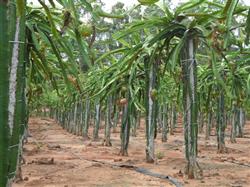
What are the common pest and disease control methods for dragon fruit?
What pests and diseases need to be controlled when growing dragon fruit? Please provide an introduction and guidance. To control pests and diseases when growing dragon fruit, you can refer to the following methods: (1) Pests and diseases. Because dragon fruit is a wild plant and has not been domesticated for long, it has no specific pests and diseases. To date, no fatal insect pests have been found. As for diseases, after transplanting or injury, its resistance weakens and it may be infected by bacteria or viruses, but no local or widespread infectious diseases have been found. As for insect pests, during the branch growth period, the tender shoots will be gnawed by pests, but because the plant produces many tender shoots in a very short time and they grow rapidly (more than 2 cm per day), the amount gnawed by pests is extremely limited and will not affect branch growth.
条件筛选