-
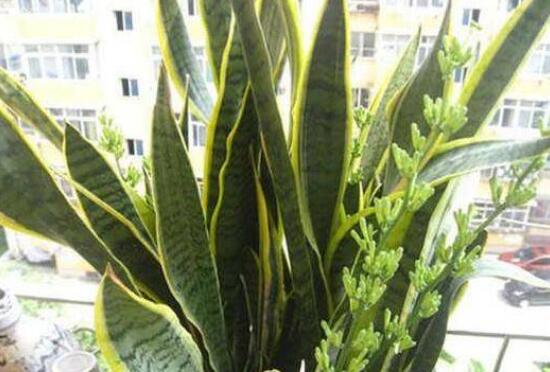
What to Do When Snake Plant (Sansevieria trifasciata 'Laurentii') Gets Pests? Pest and Disease Control and Spraying Methods
Golden-edged snake plant (Sansevieria trifasciata 'Laurentii'), as the name suggests, is a type of snake plant, characterized by golden-yellow edges on its leaves, looking very beautiful. However, the beauty of the golden-edged snake plant requires careful care from everyone. Once it gets pests or diseases, all of this will be destroyed. So what should you do when the golden-edged snake plant gets pests?
-
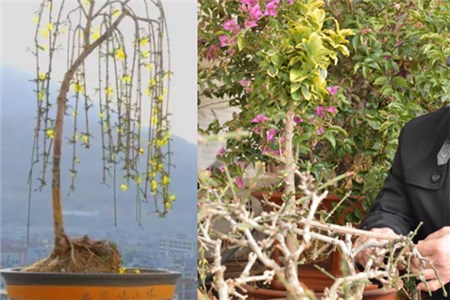
How to prune a winter jasmine bonsai? Simple, practical and easy-to-learn methods
In the third month of spring, all things return to life, and the breath of spring is revealed and brimming everywhere in nature, in residential communities, in gardens, and in the mountains. Learn to make a winter jasmine bonsai, and let the breath and vitality of spring remain around us for a long time
-
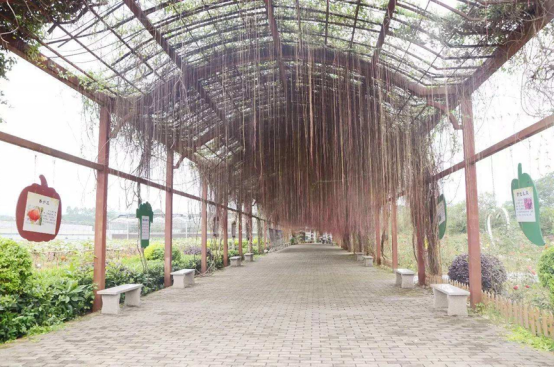
How to care for Cissus sicyoides in winter? A detailed guide to winter cultivation methods
1. Provide a suitable environment. Cissus sicyoides loves sunlight, is drought-tolerant and heat-tolerant, and is extremely easy to cultivate. Its growth is relatively slow, and the suitable temperature is about 22-30°C. In winter, when the average temperature falls below 10°C, cold protection must be implemented to help the aerial roots grow. Water once every two or three days.
-

Detailed Explanation of the Planting Methods and Key Technical Points for Green Radish
Planting Methods for Green Radish
-
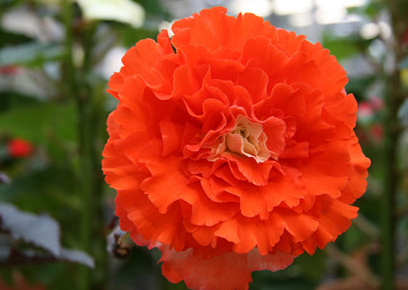
What are the care methods for tuberous begonias?
Watering Tuberous begonias like a moist growing environment, but they are also afraid of waterlogging, so it is best not to let water accumulate. In summer when the weather is dry, increase air humidity by misting and other methods. In autumn and winter during the dormant period, reduce watering, and also reduce watering during the sprouting stage and flowering period of tuberous begonias.
-
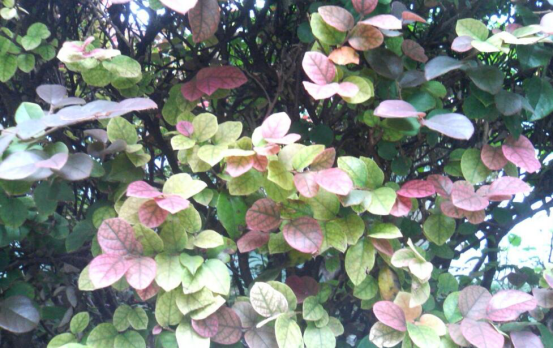
How to grow star jasmine (Trachelospermum jasminoides 'Variegatum')? Care methods and precautions
1. Fertilizer. During the growth of variegated star jasmine, fertilizer should be applied in time to promote growth. There are no special requirements for the type of fertilizer; all kinds of fertilizer can be used. If fertilizer is not applied in time, variegated star jasmine can still bloom, but the number of leaves and the color change will be less than when fertilizer is applied
-
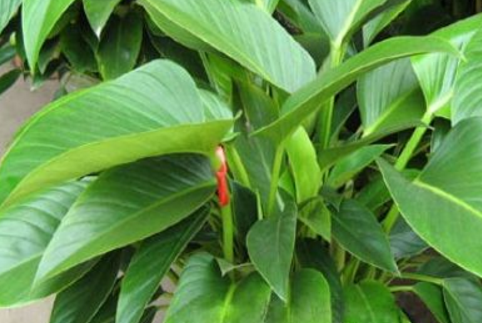
Detailed Guide to Hydroponic Growing Methods and Steps for Philodendron 'Golden Diamond'
1. Removing from the pot: First take the soil-cultured Philodendron 'Golden Diamond' plant out of the potting soil, remove the soil and rotten roots, and rinse it clean. But be careful to protect the root system so as not to affect the normal growth of the plant. 2. Disinfection: Soak the plant's roots in prepared potassium permanganate to disinfect for thirty minutes, then rinse once more; also wash the pebbles and the planting basket well.
-

What are the pest and disease control methods for morning glory?
1. Brown spot disease Symptoms: When this disease occurs, round or polygonal lesions appear on the leaves, usually dark gray in the center with dark brown edges. Many pale black mold layers form on the surface of the lesions, and in severe cases the lesions cover the entire leaf, causing the leaves to wither. Control methods: Plant appropriately close together, avoid overwatering
-
What are the cultivation methods for variegated greater periwinkle?
1. Temperature: Variegated greater periwinkle likes warmth, and the most suitable temperature for growth is: 18-20°C from April to August, and 13-18°C from September to March of the following year. Variegated greater periwinkle is relatively cold-tolerant and can endure low temperatures of around 10°C. Moving variegated greater periwinkle indoors allows it to overwinter safely. Even if
-

How to Grow Jerusalem Artichoke? Planting Methods and Key Technical Points
How Should Jerusalem Artichoke Be Grown
条件筛选