What to Do When Snake Plant (Sansevieria trifasciata 'Laurentii') Gets Pests? Pest and Disease Control and Spraying Methods
Golden-edged snake plant (Sansevieria trifasciata 'Laurentii'), as the name suggests, is a type of snake plant, characterized by golden-yellow edges on its leaves, looking very beautiful. However, the beauty of the golden-edged snake plant requires careful care from everyone. Once it gets pests or diseases, all of this will be destroyed. So what should you do when the golden-edged snake plant gets pests? The following is the pest and disease control for the golden-edged snake plant. Follow along with the editor and take a look!
I. When the Golden-Edged Snake Plant Gets Pests, Spray with Pesticide
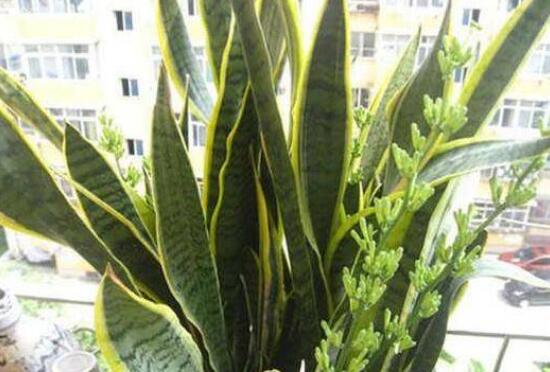
As a common foliage plant, the golden-edged snake plant is not difficult to grow. But because there are many beginners, many of them do not follow the requirements for care, resulting in symptoms of pests and diseases, seriously affecting the plant's ornamental value. As for what to do when the golden-edged snake plant gets pests? It's actually very simple. Find the specific pest, then spray the corresponding pesticide.
II. Pest and Disease Control of the Golden-Edged Snake Plant
1. Scale insects
With proper water and fertilizer, the golden-edged snake plant will grow very lushly, which is good. However, if the indoor space happens to be poorly ventilated, over time the plant is prone to scale insect infestation. Symptoms of damage: the plant's leaves lose their luster, the golden edges also become dull, and in severe cases the entire plant will die.
Control method: First, move the plant to a ventilated place, and cut off the diseased leaves to reduce the source of insects; when there are very many scale insects, spray 40% omethoate 1000x solution, or 50% malathion 1500x solution for control.
2. Mites (red spider mites)
Besides scale insects, mites are also one of the pests and diseases of the golden-edged snake plant, among which red spider mites are the most common. Symptoms of damage: yellow-white small spots appear on the leaves of the golden-edged snake plant, then gradually turn red and spread to the entire leaf, even causing the leaves to curl, wither, and fall off.
Control method: After discovering red spider mites, spray pesticide immediately for control. The pesticide can be 40% dicofol EC 1500-2000x solution, or 1.8% abamectin EC 6000x solution, spraying once every 7 days, 2-3 sprays are sufficient, and the effect is good.
3. Slugs
After excluding scale insects and red spider mites, the insects that attack the golden-edged snake plant are generally only slugs. This insect is a harmful animal with complex feeding habits and a large appetite, and will eat the leaves of the golden-edged snake plant into holes, seriously affecting the plant's ornamental value.
Control method: After discovering slugs, you can use tender cabbage leaves for manual trapping; or you can use 6% metaldehyde molluscicide granules 0.5 kg to 0.6 kg, mixed with dry fine soil 10 kg to 15 kg and evenly spread around the plant, and the slugs will soon leave.
4. Leaf spot disease
Besides pests, under improper care, the golden-edged snake plant can also get diseases, among which the most common is leaf spot disease. Symptoms of the disease: in the early stage, nearly circular or oblong spots appear on the leaves; in the later stage, the diseased spots fall off and perforate, and the spots near the ground are prone to rotting, thereby causing stem base rot or the whole plant to collapse.
Control method: During normal care, reduce watering and lower the soil humidity; when the above symptoms are found, spray with Bordeaux mixture, or 53.8% Kocide 2000 dry flowable 1000x solution, spraying 2-3 times in a row, once every 5-7 days, and it can recover to health in about a month.
5. Anthracnose
One of the common diseases of the golden-edged snake plant, mainly occurring under conditions of high humidity and stuffiness, water accumulation in the pot, and poor ventilation, with the damaged part being the leaves. Symptoms of the disease: yellow-brown and sunken small spots appear on the leaves of the golden-edged snake plant, then expand into dark brown circular spots, the leaf tips dry up, and then the whole plant dies.
Control method: Cut off the diseased leaves and burn them in a concentrated manner to reduce the source of disease; in severe cases, spray 50% carbendazim 1000x solution or 70% thiophanate-methyl 1000x solution for antisepsis, and it will take effect after 2-3 times.
Overall, the golden-edged snake plant is not difficult to grow. You only need to place it in a ventilated place and be careful not to water it too much, and it will not easily get pests or diseases. Of course, do not be afraid when you find pests and diseases on the golden-edged snake plant; just solve them according to the above control methods. Regarding the pest and disease control of the golden-edged snake plant, the editor has introduced it here, hoping to bring help to everyone.
What Are the Common Pests and Diseases of Snake Plants, and the Control Methods for Snake Plant Pests and Diseases
Snake plants give people a scene of verdant green and full of vitality. Not only that, snake plants also have the effect of purifying the air. However, during the cultivation process, there will always be some pests and diseases that affect the ornamental effect of snake plants. So what are the common pests and diseases of snake plants? The following will introduce the control methods for snake plant pests and diseases.
What Are the Common Pests and Diseases of Snake Plants
The golden-edged snake plant is also known by the aliases golden-edged snake plant, snake plant, and thousand-year-old orchid. The main diseases include leaf spot disease, rot disease, bacterial soft rot, anthracnose, and sunscald disease. The pests include scale insects, slugs, and mites (red spider mites).
Control Methods for Common Pests and Diseases of Snake Plants
Snake Plant Leaf Spot Disease
Symptoms of damage: Mainly occurs on leaves. Leaf spots are nearly circular to oblong, 8 mm-10 mm in size, light reddish-brown, with light yellow edges, slightly sunken, and sometimes the spots merge. When a single ring cuts the leaf, the upper part of the spot easily dies. In the later stage, the spots often fall off to form perforations. Leaves near the ground infected with the disease often cause local rot, and in severe cases cause stem base rot or the whole plant to collapse. The disease easily occurs in high-temperature and rainy seasons.
Control method: Reduce soil humidity. In the early stage of the disease, you can choose Bordeaux mixture, 53.8% Kocide 2000 dry flowable 1000x solution, or 47% Kasumin wettable powder 700x solution, spraying 2-3 times in a row, once every 5-7 days.
Snake Plant Rot Disease
Symptoms of damage: Occurs on leaves. In the early stage, the spots are water-soaked spots; after expansion, the spots become circular to irregular, dark gray, soft rot, slightly sunken; in the later stage, the spots dry and sink, gray-brown, with reddish-brown edges, and black mold spots appear under humid conditions.
Control method: Replace the potting soil in time or mix pentachloronitrobenzene into the soil. You can also spray the soil with hymexazol fungicide; in the early stage of the disease, spray 50% carbendazim or thiophanate-methyl 800x solution
Snake Plant Bacterial Soft Rot
Symptoms of damage: After infection, the leaves change from green to light yellow to gray-yellow, water-soaked soft rot appears at the stem base near the ground, and in the later stage the affected diseased leaves easily collapse. When the rhizome is infected, it shows straw-yellow soft rot, and the roots rot and die. When the root system is waterlogged, it also shows black rot and dies. The disease is particularly serious in spring and summer with high temperature and rain, and typhoon and heavy rain weather. The pathogen is caused by bacteria.
Control method: In winter and spring, keep the temperature above 10°C and control watering. In the hot summer weather, provide slight shade. During the vigorous growth period in spring and autumn, increase the application of phosphorus and potassium fertilizers to improve disease resistance. It is best to choose disease-free soil or burnt soil or soil that has been sterilized by heat before planting. Diseased leaves found should be cut off and burned in time. In the early stage of the disease, you can choose medical-grade streptomycin sulfate 2000x solution, 47% Kasumin wettable powder 700x solution, or 30% Ludewo suspension concentrate 500x solution, spraying once every 5-7 days, spraying 2-3 times in a row for control.
Snake Plant Anthracnose
Symptoms of damage: Anthracnose spots begin at the leaf tip or leaf edge, brown, with obvious or unobvious concentric rings on the spot surface, and scattered or regularly arranged small black dots form on the diseased leaves. The pathogen is a fungus of the subphylum Deuteromycotina, called Colletotrichum sansevieriae. The hot and humid conditions in the south are favorable for the disease, especially from April to June when the disease is more serious.
Control method: In winter and spring, cut off the diseased leaf parts and dead diseased leaves, increase the application of phosphorus and potassium fertilizers, and in the early stage of the disease promptly spray 50% thiram wettable powder 800x solution, or 75% chlorothalonil + 70% thiophanate-methyl wettable powder (1:1) 1000x solution.
Snake Plant Sunscald Disease
Symptoms of damage: Unclear wrinkling and wilting appear on the affected leaf areas. In severe cases, the wilted areas become water-soaked, the diseased areas necrose, turn yellow, rot, and dry into patches.
Control method: From June to October, provide appropriate shading. Strengthen ventilation or introduce water to cool down. Do not spray water on plant leaves around noon. Do not harvest plants at high temperatures. Reduce mechanical damage during harvesting.
Snake Plant Scale Insects
Symptoms of damage: Usually live by sucking sap on the leaves or stems of snake plants.
Control methods
Chemical control: When nymphs are at their peak and the scale covering has not yet formed, spray with 40% omethoate 1000x solution, or 50% malathion 1500x solution, or 25% phosmet 1000x solution, or 50% dichlorvos 1000x solution, or 2.5% deltamethrin 3000x solution for killing, spraying once every 7-10 days, 2-3 times in a row.
Biological control: Protect and rationally utilize natural enemies of scale insects such as the Australian ladybird beetle and the red ladybird beetle that prey on cottony cushion scale, and the golden-yellow aphelinid wasp, soft scale aphelinid wasp, and red-spotted ladybird beetle that parasitize armored scales, to control the harm of scale insects.
Manual control: During the process of cultivating flowers, for leaves with scale insects, you can cut off the infested leaves and burn them in a concentrated manner. Do not throw them away randomly.
Snake Plant Slugs
Symptoms of damage: Feed on leaves and form holes, affecting commercial value. It is a harmful animal with complex feeding habits and a large appetite.
Control methods:
Chemical control: Use 6% metaldehyde molluscicide granules 0.5 kg to 0.6 kg per mu, or 3% niclosamide granules 1.5 kg to 3 kg, mixed with dry fine soil 10 kg to 15 kg and evenly spread around the plants.
Biological control: Pour tea seed cake water soak (1:15) around the plants, or spread tea seed cake crumbs that have been soaked in water;
Manual control: Slugs like to inhabit ditch edges and wet areas. You can build a place that slugs like to inhabit, and place food that slugs like inside, such as tender cabbage leaves as bait for manual capture.
Snake Plant Mites (Red Spider Mites)
Symptoms of damage: Harm the leaves of plants, piercing and sucking the stems and leaves of plants. In the early stage, there are a large number of needle-tip-sized yellow-brown spots on the front of the leaves where chlorophyll has been lost. Sometimes it starts from the leaves in the middle of the plant, and the leaves gradually turn yellow.
Control methods
Chemical control: Apply 40% dicofol EC 1000x-1500x solution, 20% hexythiazox wettable powder 2000x solution, 15% pyridaben EC 2000x solution, 1.8% abamectin EC 6000x-8000x, etc., all can achieve ideal control effects.
Biological control: Protecting and increasing the number of natural enemies can enhance their control effect on the jujube red spider mite population. Natural enemies include Chrysopa sinica, predatory ladybird beetles, and predatory mites.
Snake Plant Pest and Disease Control
Hello! Professor, how do you prevent pests and diseases in snake plants, and what disease is it when small patches of rot appear in the middle of the leaves?Name: Wu Jiangming Unit: Contact phone: 2010-03-23
Expert answer
Comrade Wu Jiangming: Hello. Snake plant, also known as Sansevieria trifasciata and thousand-year-old orchid, is a perennial evergreen herbaceous plant of the Agavaceae family. The following diseases often occur in production. I. Anthracnose The spots begin at the leaf tip or leaf edge, brown, with obvious or unobvious concentric rings on the spot surface, and scattered or regularly arranged small black dots form on the diseased leaves. The pathogen is a fungus of the subphylum Deuteromycotina, called Colletotrichum sansevieriae. The hot and humid conditions in the south are favorable for the disease, especially from April to June when the disease is more serious. Disease prevention method: In winter and spring, cut off the diseased leaf parts and dead diseased leaves, increase the application of phosphorus and potassium fertilizers, and in the early stage of the disease promptly spray 50% thiram wettable powder 800x solution, or 75% chlorothalonil + 70% thiophanate-methyl wettable powder (1:1) 1000x solution. II. Bacterial soft rot After infection, the leaves change from green to light yellow to gray-yellow, water-soaked soft rot appears at the stem base near the ground, and in the later stage the affected diseased leaves easily collapse. When the rhizome is infected, it shows straw-yellow soft rot, and the roots rot and die. When the root system is waterlogged, it also shows black rot and dies. The disease is particularly serious in spring and summer with high temperature and rain, and typhoon and heavy rain weather. The pathogen is caused by bacteria. Control method: In winter and spring, keep the temperature above 10°C and control watering. In the hot summer weather, provide slight shade. During the vigorous growth period in spring and autumn, increase the application of phosphorus and potassium fertilizers to improve disease resistance. It is best to choose disease-free soil or burnt soil or soil that has been sterilized by heat before planting. Diseased leaves found should be cut off and burned in time. In the early stage of the disease, you can choose medical-grade streptomycin sulfate 2000x solution, 47% Kasumin wettable powder 700x solution, or 30% Ludewo suspension concentrate 500x solution, spraying once every 5-7 days, spraying 2-3 times in a row for control. III. Fusarium spot disease Also called leaf spot disease, circular spots are first found on the leaves, and the diameter can expand to 12 mm. Slightly sunken, light reddish-brown, with pale yellow edges. The spots are scattered, covering the entire leaf, and the center of the spots dries and falls off, forming perforations. When several spots merge with each other and ring-cut the leaf, the part above the diseased area dies. The pathogen is a fungus of the order Sphaeriales in the subphylum Deuteromycotina. The disease easily occurs in high-temperature and rainy seasons. Control method: Reduce soil humidity. In the early stage of the disease, you can choose Bordeaux mixture, 53.8% Kocide 2000 dry flowable 1000x solution, or 47% Kasumin wettable powder 700x solution, spraying 2-3 times in a row, once every 5-7 days. The above content is for reference only.