-
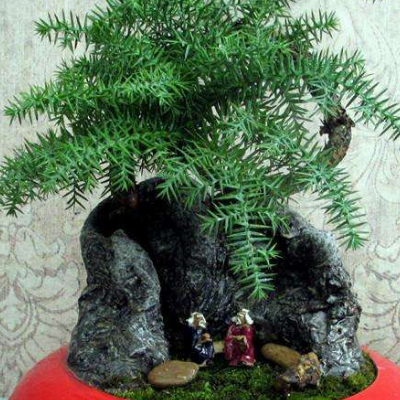
Australian Pine (Norfolk Island Pine) pruning methods and root rot solutions
The Australian Pine (Norfolk Island Pine) is an excellent bonsai plant and is also suitable for growing at home, so how do you prune an Australian Pine? What should you do if the Australian Pine gets root rot? How to prune an Australian Pine: prune according to its habits. First, let's talk about the growth habits of the Australian Pine, because no matter how we prune
-

What to Do About Boron Deficiency in Rapeseed? Symptom Identification and Control Methods
Boron Deficiency Symptoms in Rapeseed and Control Methods
-
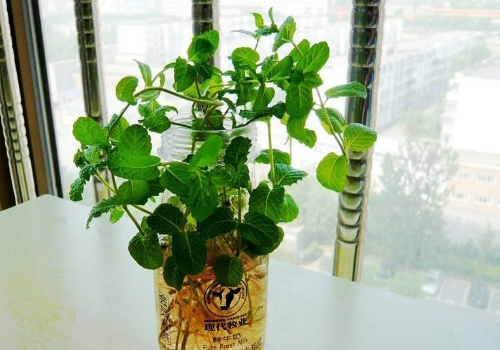
Can mint be grown hydroponically? A detailed guide to hydroponic methods
Mint is a plant that many people love, and it has a fresh, fragrant scent. So can mint be grown hydroponically? How to grow it hydroponically: Can mint be grown hydroponically: Yes, mint can be grown hydroponically. Mint prefers a warm, humid environment with plenty of sunshine and abundant rainfall. Its rhizomes can sprout and emerge at 5-6°C
-
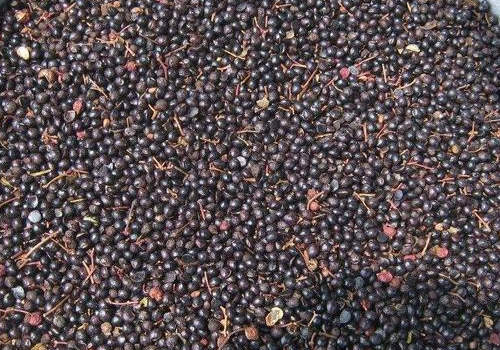
A Detailed Guide to Sichuan Pepper Cultivation Methods and Harvest Period
Sichuan pepper is divided into the husk and the seed; the husk is used for cooking, while the seed is used for pressing oil. Sichuan pepper seeds are heavier than the husks. So how is Sichuan pepper cultivated? How long is the harvest period? How Sichuan pepper is cultivated: seed treatment. Seed treatment: the seed shell of Sichuan pepper is hard, high in oil, and impermeable to water, making germination relatively difficult.
-
When Does Honeysuckle Bloom? Detailed Guide to Propagation Methods
Honeysuckle (Lonicera japonica), many people have surely seen it; it is quite common. When does honeysuckle bloom? How do you propagate it? When does honeysuckle bloom: Honeysuckle generally begins blooming in late May and finishes around mid-October, with a flowering period of about 150 days. Usually the first flush of flowers comes in late May, the second flush in mid-to-late July.
-

-
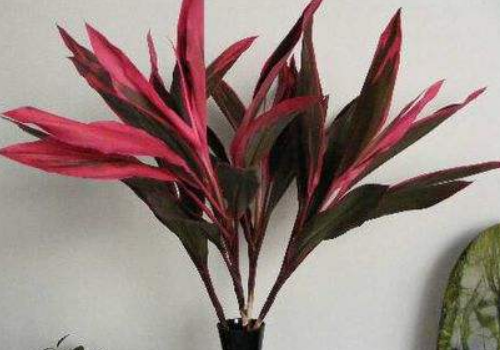
What are the hydroponic methods and precautions for Cordyline fruticosa?
Cordyline fruticosa is suitable for indoor cultivation, but it is not very easy to grow. Does Annie know how to grow Cordyline fruticosa well? What should be noted in hydroponics? How to grow Cordyline fruticosa well: 1. The soil for potting requires looseness. Equal parts of leaf mold or peat soil, garden soil and river sand can be mixed and a small amount of dry livestock manure added as the culture medium.
-
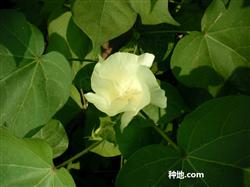
What are the control methods for the cotton stem borer (Zeuzera coffeae) in cotton?
What diseases occur during the boll stage of cotton? How should they be controlled? How are cotton boll-stage diseases controlled? The occurrence of cotton boll-stage diseases is closely related to climate, variety, insect pests, and cultivation techniques during the growth period. Therefore, the control of cotton boll-stage diseases should adopt comprehensive control measures focused on cultivation management, combined with chemical protection. (...
-

A Detailed Guide to Snake Farming Techniques and Processing Methods
Snakes are a precious biological resource. Snakes can be eaten, used for medicine, used to make musical instruments, and so on; the whole body is a treasure, and they are praised as a "mountain delicacy." Snakes sell well and fetch high prices. In China, the purchase price per kilogram of live snakes and snake meat is 40-60 yuan; for the five-paced snake (Deinagkistrodon acutus), it is 250-400 yuan per kilogram; 1 gram of banded krait (Bungarus multicinctus) toxin is priced at 1000 yuan; raw snake gallbladder reaches as much as 2000-3000 yuan per kilogram. On the international market, 5 grams of snake venom is priced at as much as 1000 US dollars, 20 times more expensive than gold. Farming snakes artificially has a short cycle and high returns, and is a good way for farmers to escape poverty
-
What to Do If Silkworms Do Not Spin Cocoons? Cause Analysis and Control Methods
I. Causes of silkworms not spinning cocoons: 1. Pathological factors. For example, pebrine and flacherie are prone to infection and disease before mounting, which destroys the silk gland secretion function of silkworms, or the pathogens produce large amounts of toxic metabolites in the silkworm body, paralyzing the silkworm's nerves and preventing them from spinning silk and forming cocoons; 2. Physiological factors. The first is abnormality of the middle silk gland, mainly caused by rearing temperature being too high or too low, leaf quality being too tender, secretory gland disorder, etc., causing silk gland abnormality and preventing spinning; the second is abnormality of the anterior silk gland, mainly because during rearing
条件筛选