-
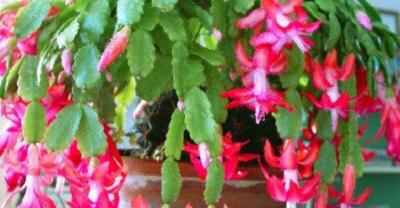
Four-season begonia cultivation methods: easy to grow well and propagate in large numbers
Four-season begonia is a plant with many varieties and many colors, and because its flowering period is relatively long, it is deeply loved by flower growers. Although many people like to grow it, ...
-
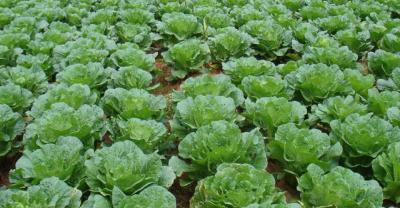
Balcony vegetable cutting propagation methods for a bountiful harvest
These days, growing vegetables on the balcony is a method of vegetable gardening deeply admired and loved by the broad masses of people. The vegetables you grow yourself are green and pollution-free, and eating them is very healthy,...
-
Methods of Using Vitamin C in Poultry Farming
VC, a vitamin-class drug. In the body, vitamin C and dehydrovitamin C form a reversible redox system, which plays...
-

How to grow crabapple flowers? Detailed guide to cultivation methods and care essentials
Crabapple flowers are loved by many literati. Su Shi wrote, "I only fear that in the deep night the flowers will fall asleep, so I burn tall candles to light up their red adornment." Crabapple flowers are a symbol of wealth and nobility. Crabapple flowers have...
-
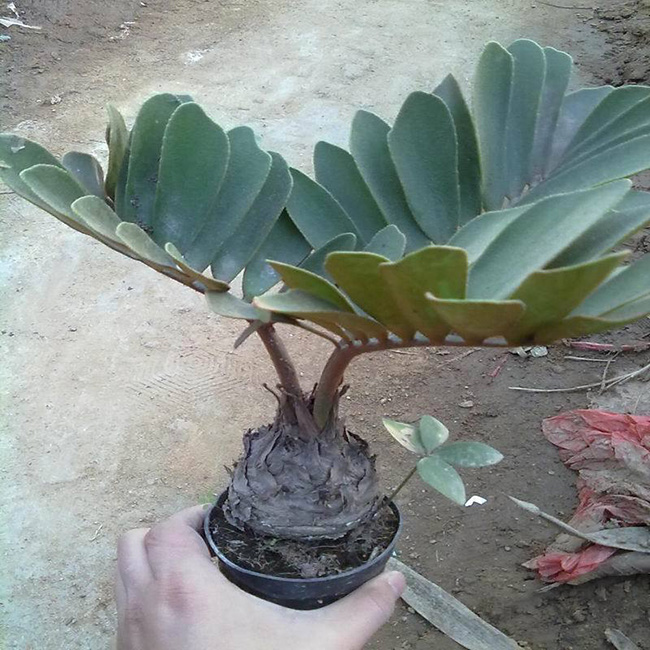
How to Grow Zamia furfuracea (Cardboard Cycad, Broadleaf Cycad)? Detailed Guide to Cultivation Methods and Precautions
Zamia furfuracea, also known as the cardboard cycad or broadleaf cycad, is a plant in the genus Zamia, native to the Americas and other regions. Morphological characteristics of Zamia furfuracea: trunk height 15-20 cm, single trunk or rarely branched, sometimes growing in clumps, thick stem, cylindrical, surface densely covered with rows of dark brown leaf scars
-
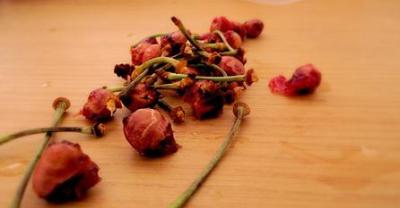
Control methods for 4 uncommon pests and diseases in pomelo cultivation
Why do I, an old farmer, want to introduce the control of four uncommon diseases, and why not introduce some of the more common ones, such as huanglongbing and canker? The...
-

How to grow Cleome? Detailed Guide to Cultivation Methods and Precautions
Cleome Growth Habits Cleome has strong adaptability, prefers high temperatures, tolerates summer heat fairly well, and dislikes cold. It likes sunny locations but can also grow well in partial shade. It is not demanding about soil; in fertile ground with ample water and nutrients, plants grow tall, and it also grows well in soil of average fertility.
-
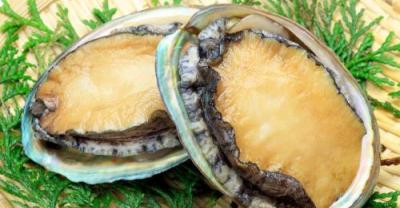
A Complete Analysis of Ammonia Nitrogen Sources and Degradation Methods in Aquaculture
What is ammonia nitrogen? Ammonia nitrogen refers to the combination of nitrogen present as free ammonia and ammonium ions in water. It is the main factor causing major toxicity to aquatic organisms. However, ammonium ions are not toxic. 1. Sources of ammonia nitrogen. There are four main sources of ammonia nitrogen: first, sludge. The deeper the pond sludge, the more, as temperature rises, large amounts of organic matter ferment and produce ammonia nitrogen; second, feed. After feed is digested by aquatic animals, feces and urine are excreted, producing large amounts of ammonia nitrogen. Next, residual bait is transformed by anaerobic bacteria into peptides and amino acids, and then into molecular ammonia and ammonium ion substances; third, fertilizers. Such as organic fertilizer, urea, nitrogen fertilizer, compound fertilizer, etc., are all foundations for producing ammonia nitrogen; fourth, various dead grasses and algae, which are converted into ammonia nitrogen under the action of anaerobic bacteria. 2. Ammonia nitrogen degradation. First, natural consumption. 1. Through nitrifying bacteria living in the oxygen in the water body, ammonia is converted into nitrite, and then converted by a second type of nitrifying bacteria into nitrate. Nitrate is a non-toxic substance and is converted by anaerobic bacteria into nitrogen gas, which rises and is released; 2. Algae and microorganisms. Ammonia nitrogen is also a eutrophic fertilizer. The more algae and microorganisms there are, the stronger their ability to absorb ammonia nitrogen, and the faster the ammonia nitrogen content is reduced; 3. Aquatic plants, such as water hyacinth, alligator weed, lotus root and other aquatic plants. Among them, water hyacinth has a particularly strong ability to consume ammonia nitrogen. One water hyacinth plant with 10 branches can consume the ammonia nitrogen excreted by 8 people in 24 hours. Second, artificial degradation. 1. Clean out sludge and use coke slag landfill for adsorption; 2. Control stocking density and feed bait reasonably; 3. Regularly use photosynthetic bacteria and lactic acid bacteria as well as organic acids and sodium humate for nitrifying degradation; 4. Add and change water and increase oxygen, and control and regulate water quality well. When molecular ammonia in the water body exceeds the standard, the oxygen-carrying capacity of the gill fluid of aquatic animals will decline, damaging the epidermal tissue of the gills, leading to poor oxygen exchange in the blood, and at the same time poisoning will occur. Its manifestations include damage to internal organs such as the liver, pancreas, and stomach, swelling of the gastrointestinal tract, infection after mucosal damage, secretion of large amounts of mucus, causing difficulty breathing and leading to death. Ammonia nitrogen is the number one killer of aquatic animals, and it is also the most difficult problem for aquaculture personnel to grasp and solve. Prevention and control must be carried out from the very beginning, with regular testing, and strict prevention of serious exceedances and long-term exceedances, so as to ensure the healthy and normal growth of aquatic animals.
-
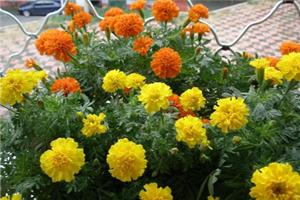
A Detailed Guide to the Growing Conditions and Seed Propagation Methods of French Marigold
Growing Conditions of French Marigold French Marigold Seed Propagation
-
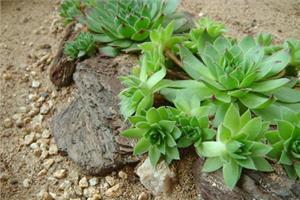
How to Grow a Hens and Chicks (Sempervivum)? 5 Growing Methods to Teach You
How to Grow Hens and Chicks: 5 Methods to Teach You How to Grow Sempervivum
条件筛选