-
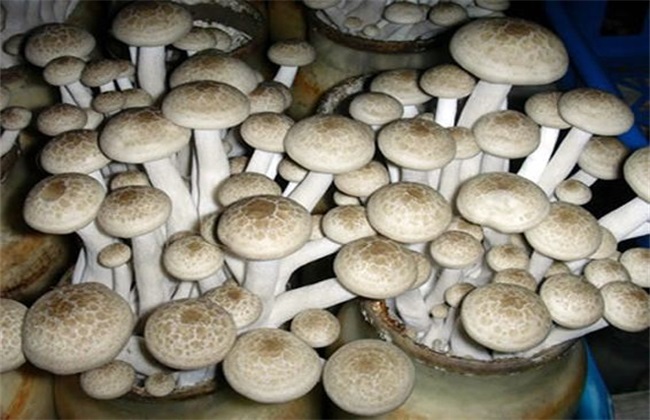
Detailed Explanation of Key Technical Points and Cultivation Methods for Artificial Cultivation of Hypsizygus marmoreus
Artificial Cultivation Techniques for Hypsizygus marmoreus
-
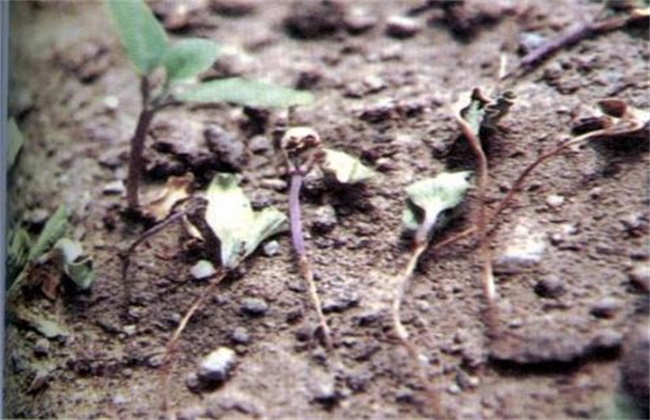
What are the control methods for damping-off disease in eggplant seedlings?
Control methods for damping-off in eggplant seedlings
-

Methods for preventing and treating root rot in potted flowers and techniques for sterilizing potting soil
How do you prevent and treat root rot in potted flowers?
-
Introduction to Edible Fungi Cultivation and Pest Control Methods
Pests of Edible Fungi and Their Control
-
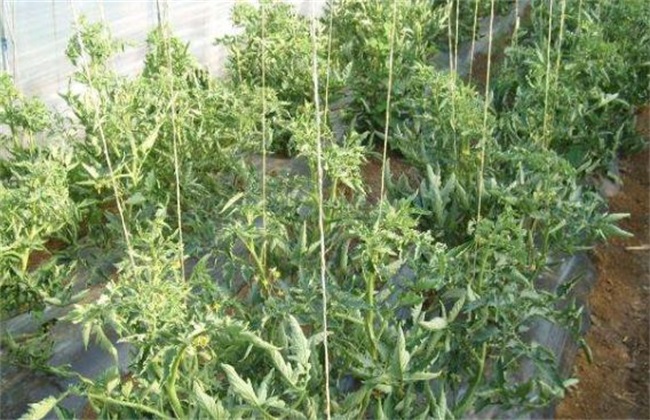
What to Do About Tomato Leaf Curl? Cause Analysis and Control Methods
What to Do About Tomato Leaf Curl
-
Flower seed storage methods, fresh-keeping treatment methods for flowers
Fresh-keeping treatment methods for flowers
-
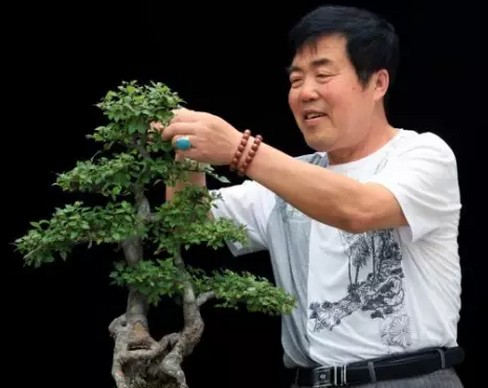
A Complete Guide to Bonsai Pruning Techniques and Methods
A tree-stump bonsai that has already been shaped by wire training or that has naturally good form will often grow many new branches. To maintain its perfect posture, the bonsai must be pruned regularly; otherwise it will gradually lose its layers, become out of proportion, and its tree form will become disordered. 1. Promptly prune away useless branches
-
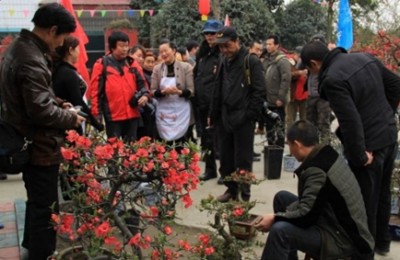
Detailed Explanation of Techniques and Methods for Shaping and Styling Begonia Bonsai
Begonia shaping and processing often combines wiring and pruning, and the processing period is best from after leaf drop in winter to before bud break in spring. During the plum rain period, new branches have grown relatively mature and the branches are quite flexible, so it is also suitable for pruning and wiring. Seedlings 2 to 3 years old can begin to be processed; at this stage they are highly malleable and easier to work with
-
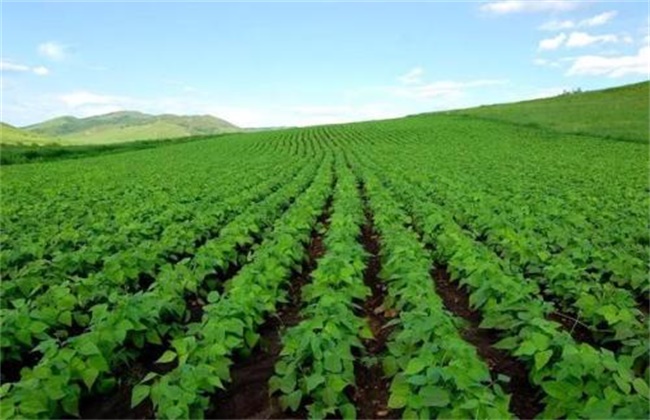
How to Tell If Soybeans Are Growing Too Vigorously? A Few Identification Methods to Teach You
How to Tell Whether Soybeans Are Growing Too Vigorously
-
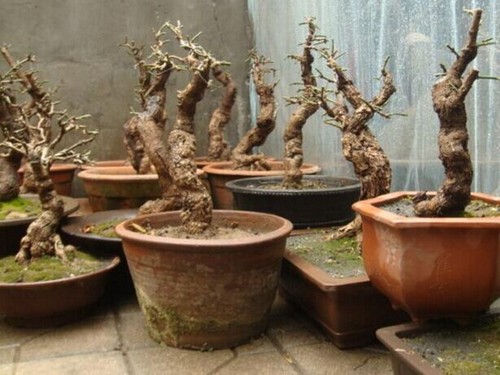
Detailed Guide to Winter Jasmine Propagation Techniques: Common Methods and Key Points
Winter jasmine (Jasminum nudiflorum) grows rapidly and is very suitable for making bonsai. Select a thick, sturdy old winter jasmine stump, plant it in a cylindrical pot, expose the roots and claws, bind it moderately, and let the trunk droop; within just a few years, an elegant and graceful cascade-style bonsai can be formed. Alternatively, select a small stump about the thickness of a thumb, wrap the lateral roots around a rock, and bury it in soil
条件筛选