What to Do About Tomato Leaf Curl? Cause Analysis and Control Methods
Tomato, also known as tomato (Solanum lycopersicum), is a very popular fruit and is grown on a fairly large area across China. However, growing tomatoes is not as simple as it seems, and many problems often arise during cultivation, one of which is leaf curl. Tomato leaf curl affects fruit set and fruit quality. So what causes tomato leaf curl? And what should be done about it? Let's take a look together below!
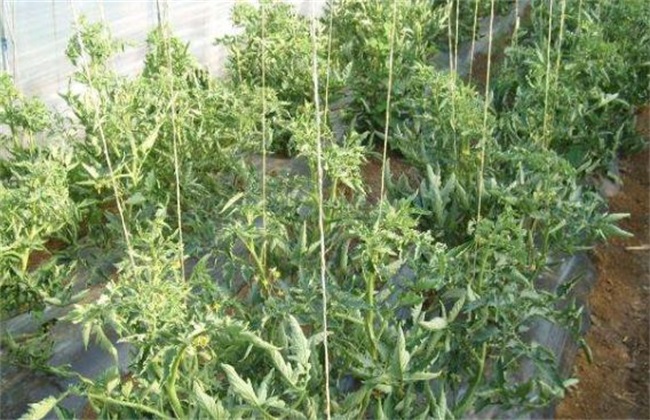
1. Causes of Leaf Curl
Insufficient Water
Tomatoes have a relatively high demand for water during growth, especially during the fruiting stage. If the temperature is too high and there is drought and a lack of water, since the leaf area is relatively large at this time, the high-temperature environment causes the leaves to lose a lot of water through evaporation, making leaf curl likely to occur. Leaf curl is especially severe on leaves located near ventilation openings.
Improper Use of Fertilizer and Pesticides
In the high-temperature environment of summer, growers do not pay attention to the required concentration when applying chemicals, resulting in too high a concentration that causes pesticide damage to tomato leaves. The leaves develop spots and curl upward. Also, when fertilizing, if too much nitrogen fertilizer is used, the soil concentration rises, causing the small tomato leaves to turn over and curl upward. In saline-alkali areas, excessively high solution concentration is also likely to occur, so leaf curl is also easily caused.
Other Causes
During tomato cultivation, tasks such as pinching off the growing tips need to be done well, but the timing of pinching must be noted. If pinching is done too early, it easily leads to the growth of axillary buds, causing excessively high phosphate levels in the leaves and the appearance of aged leaf curl. Then there are causes such as pests and diseases, especially viral disease. The main symptoms of viral disease are chlorosis and curling, and the disease is severe especially under high temperature, high humidity, and strong light.
2. Control Methods
Plant Management
Before planting, we should apply sufficient base fertilizer to ensure comprehensive and balanced nutrition, do a good job of intertillage and weeding, and improve soil quality. Create a good environment for tomato growth and improve root growth capacity. Then, after transplanting, be sure to apply enough transplanting water, control the amount of watering before flowering to prevent excessive watering from causing leggy growth, and in the middle and late stages water more frequently but in small amounts, so that the soil is dry at times and moist at times. Finally, do a good job of flower and fruit thinning to avoid exceeding the plant's carrying capacity and ensure balanced plant growth.
Daily Management
Tomato growth has relatively high temperature requirements. When planting in winter, the daytime temperature should be controlled at around 26-27 degrees, and at night it should be kept at at least 12 degrees. In summer, the temperature should be appropriately raised by 1-2 degrees. To prevent excessively high summer temperatures, shade and cooling work should be done well. Then appropriately apply fertilizers such as microbial fertilizer to ensure balanced nutrition. Control the concentration of chemicals well to avoid pesticide damage, and do not spray chemicals during high-temperature periods. Finally, pay attention to doing a good job of pest and disease control to reduce the incidence of disease.
The above is a brief introduction to the causes of tomato leaf curl and the control methods. Tomato leaf curl can seriously affect leaf photosynthesis and lead to a decline in flowering and fruit-setting rates, so everyone must pay close attention. That is all for today's introduction. This article is for reference only, and I hope it can help everyone!