-

Engineering Applications and Management Methods for Hokkaido Boxwood
Hokkaido boxwood is an excellent landscaping material, but because it was introduced and promoted relatively late, many design units are still not familiar enough with its growth habits and characteristics, and it is used sparingly or configured inaccurately in design applications. As a result, nursery growers feel lost about how to cultivate and prune it: they plant a whole field of seedlings but do not know how to manage them, and after several years pass, they are left sighing in dismay! Based on several years of research and practice at this nursery, the following cultivation trial methods are considered effective. 1. Single-trunk small tree. When the seedling grows to 1.8-2 m, pinch out the growing tip at the top, keep the upper 30 cm for branching, and remove all branches below so that it concentrates on developing the upper part into a crown.
-

A Detailed Guide to Raspberry Planting Techniques and Management Methods
Raspberry Planting Techniques
-

What are the cultivation methods and precautions for the Dracaena deremensis 'Warneckii'?
1. Potted production standard: 14 cm pot, height 35 cm, crown width about 40 cm, market cycle 7-8 months. 2. Substrate preparation: use loose, well-draining and well-aerated imported Klasmann peat of 5-40 mm specification, add water to the peat and mix well (standard for adding water: after mixing with water,
-
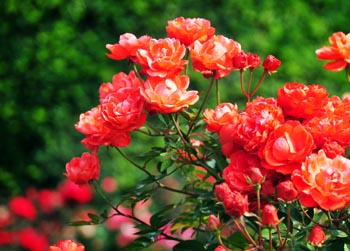
How to grow miniature roses? Growing methods and points to note
Propagation is mostly done by cuttings, though division and layering can also be used. Cuttings can be taken in all four seasons, but hardwood cuttings in winter or autumn are preferable; for softwood cuttings in summer, pay attention to water management and temperature control. Otherwise rooting is difficult. Winter cuttings are generally taken in a greenhouse or polytunnel
-
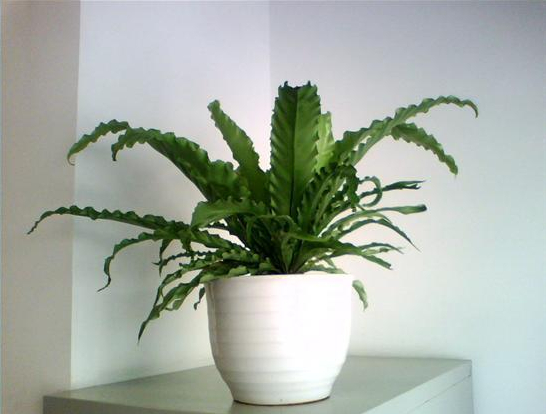
A Detailed Guide to Hydroponic Methods and Techniques for Bird's Nest Fern
Bird's nest fern, also known as Shan Su Hua, is a species in the genus Asplenium of the family Aspleniaceae. The bird's nest fern is an epiphytic fern, a perennial shade-loving herbaceous foliage plant. Bird's nest fern can be grown hydroponically, but practice has shown that soil culture makes it grow better. When growing bird's nest fern hydroponically
-
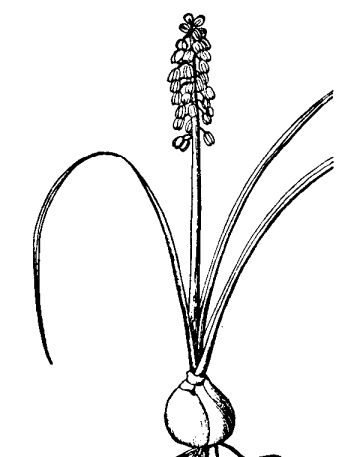
A Detailed Guide to the Propagation Methods, Cultivation Techniques and Uses of Grape Hyacinth
[Alternative names] Grape lily, blue bottle flower, grape musk hyacinth. [Family and genus] Liliaceae, genus Muscari. [Morphology] Perennial herb, bulb spherical, tunic white. Leaves basal, linear, slightly succulent, dark green, margins often rolled inward, 1030 cm long, 0.6 cm wide. The flower scape emerges from the leaf cluster
-
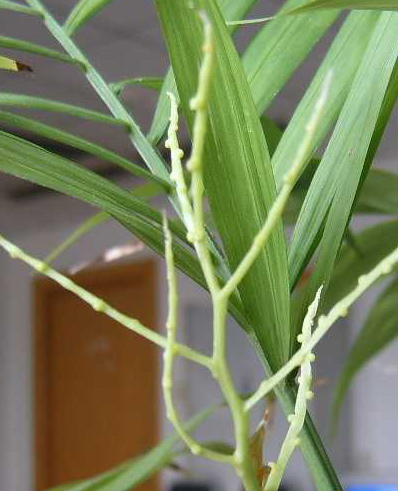
How to grow a parlor palm? Planting methods and care tips
The parlor palm (Chamaedorea elegans) likes warm, humid and semi-shaded environments. It is not drought-tolerant and not cold-tolerant, and it fears direct sunlight, so it is best grown indoors in bright, indirect light. The optimum growing temperature is 20-30 degrees, and in winter it should be kept at 12-14 to survive the winter safely. The parlor palm has a fairly strong water-absorbing capacity, and during the growing period the potting soil needs to be kept moist.
-

How to grow a Bromeliad 'Fortuna'? Cultivation methods and precautions for ample light
At first hearing "Hongyun Dangtou," many people think it is an idiom, but it is actually also a flower. It is said that the bromeliad 'Fortuna' not only has a beautiful and varied plant shape, but its flowers are also especially gorgeous, making it an absolute great choice to grow at home. So how do you grow a bromeliad 'Fortuna'?
-
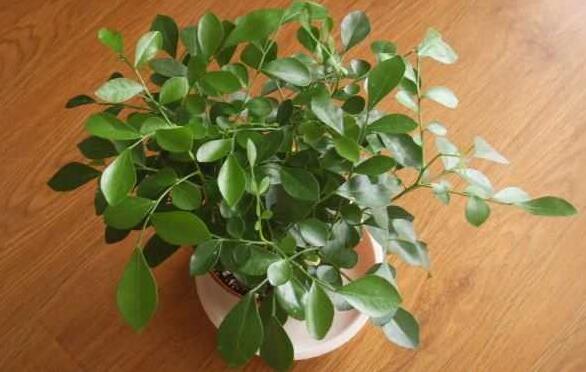
How to grow Orange Jessamine? A detailed guide to cultivation methods and precautions, pruning is key
Orange Jessamine (Murraya paniculata), a very beautiful plant, is true to its name, with a very intense fragrance that can spread far and wide, deeply loved by flower enthusiasts and often grown indoors as a potted plant. As Orange Jessamine becomes more widely known, many beginners have started growing it too, so how do you grow Orange Jessamine?
-
Sage Cultivation Methods and Precautions
Cultivation: Full sun and good ventilation, with well-drained sandy loam or deep loam being preferable, are beneficial for growth. Direct seed sowing, 3-5 seeds per hole; after one week of germination or when seedlings reach 5-10 cm in height, thinning is required. Spacing of 20-30 cm. After plants mature, thinning and pruning can be done again to increase spacing.
条件筛选