How to grow a parlor palm? Planting methods and care tips
The parlor palm (Chamaedorea elegans) likes warm, humid and semi-shaded environments. It is not drought-tolerant and not cold-tolerant, and it fears direct sunlight, so it is best grown indoors in bright, indirect light. The optimum growing temperature is 20-30 degrees, and in winter it should be kept at 12-14 to survive the winter safely. The parlor palm has a fairly strong water-absorbing capacity, and during the growing period the potting soil needs to be kept moist. In summer it needs more watering, and the plant or its surroundings should be sprayed with water to maintain a certain air humidity, which helps it cool down and get through the summer, but watering should be controlled during the dormant period. Because its roots are rather fine, it should be planted in loose, fertile potting soil. The parlor palm is mainly supplied for indoor viewing, and the plant height needs to be controlled, so the plant should not be fertilized too much; applying a thin liquid fertilizer 3-4 times at the seedling stage and in spring and autumn is enough. Repot it every 2-3 years in early spring, adding fresh nutrient soil.
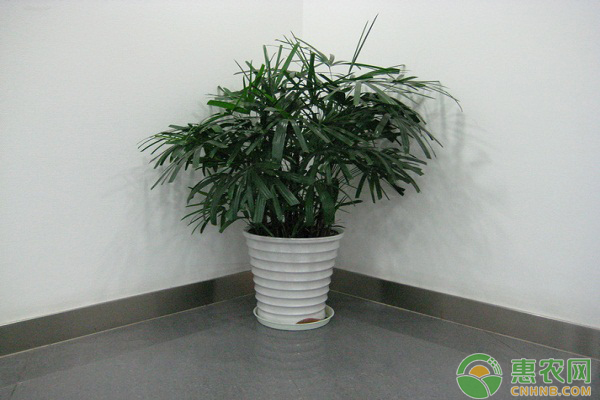
Unlike a true coconut, the parlor palm does not produce little coconuts, but it does bear very cute small flowers. Although this plant belongs to the palm family, the plant is less than one meter tall, with upright stems, making it look very attractive.
These days, many people grow parlor palms, and they are deeply loved by people. However, the parlor palm itself is not all that easy to care for; with the slightest neglect, the plant may develop yellow leaves.
To help more people understand parlor palm care techniques, a friend who has grown parlor palms for many years now shares the correct care methods. Hopefully this will help friends grow the plant more beautifully.
1. In an environment with particularly strong light, the leaf tips of the parlor palm turn yellow and may even wither. When caring for it, friends need to place it in a fairly shaded environment; keeping it indoors is a better choice.
2. As a tropical plant, the parlor palm prefers to grow in a fairly warm environment. In winter, when the temperature drops below ten degrees Celsius, this plant enters a dormant state. If the temperature is too low, it can even freeze the plant to death. Friends should keep it in a warm indoor spot for care, so that the leaves stay a richer green.
3. Friends need to use alkaline soil to grow the parlor palm, and also add some clay to the soil. Every three years, friends need to repot it and add some fertilizer, so that the plant can stay lush green and attractive.
The parlor palm itself is a rather delicate plant, and friends must be especially careful when caring for it. I believe that after understanding the above tips, even beginners can grow parlor palms well.
Parlor palm Parlor palm
Parlor palm alternative names
Dwarf coconut, parlor palm, dwarf palm, dwarf cane palm
Growth habits of the parlor palm
The parlor palm likes a warm, humid, semi-shaded growing environment. The suitable growing temperature is 20-30 degrees Celsius; when the temperature is below 13°C, the parlor palm enters its dormant period, and in winter the lowest temperature should be kept above 3°C for overwintering. The parlor
palm's growing medium is best a well-drained, moist, fertile loam; when potted, a medium made of leaf mold plus peat soil and a small amount of sand should be used.
The parlor palm has low fertilizer requirements; generally, apply liquid fertilizer 1-2 times a month during the growing season, and apply little or no fertilizer in late autumn and winter. Repot once every 2-3 years in spring.
Water according to the principle of preferring moist over dry; just keep the potting soil consistently moist. When the air is dry in summer and autumn, spray the plant with water frequently to raise the ambient air humidity, which benefits its growth and at the same time keeps the leaves dark green and glossy.
In winter, reduce the amount of watering appropriately to help it overwinter. The parlor palm likes semi-shaded conditions and avoids direct sunlight in hot seasons. Under strong sun its leaf color fades or turns yellow, and scorched leaves and black spots appear, robbing it of its ornamental value.
Parlor palm flower meaning
Vitality
The English species name of the parlor palm means graceful and exquisite, so the flower meaning and symbolic significance expressed by its English name is "vitality".