How to grow Orange Jessamine? A detailed guide to cultivation methods and precautions, pruning is key
Orange Jessamine (Murraya paniculata), a very beautiful plant, is true to its name, with a very intense fragrance that can spread far and wide, deeply loved by flower enthusiasts and often grown indoors as a potted plant. As Orange Jessamine becomes more widely known, many beginners have started growing it too, so how do you grow Orange Jessamine? Below is a carefully compiled guide to Orange Jessamine cultivation methods and precautions, very comprehensive, anyone who wants to grow it should definitely take a look.
I. How to grow potted Orange Jessamine, create the right conditions
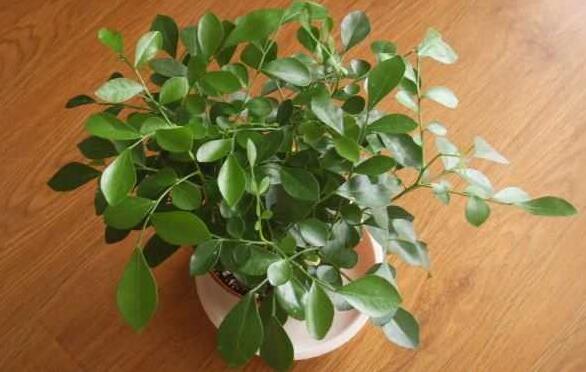
Growing plants at home is all about benefiting people, and if the fragrance is intense, even better, and Orange Jessamine perfectly meets these conditions. As for how to grow Orange Jessamine, we need to create the soil, light, water and fertilizer it needs according to its growth habits, with specific requirements all covered in the cultivation methods for Orange Jessamine, so let's continue reading.
II. Orange Jessamine cultivation methods and precautions
1. Soil, loose and fertile
How to grow potted Orange Jessamine, first of course is choosing soil. According to the growth habits of Orange Jessamine, it likes loose and fertile soil, so you should best choose: pond mud, peat, and river sand mixed in a 5:4:1 ratio.
Precautions: The soil chosen for potted Orange Jessamine, besides being loose and fertile, also needs good drainage. And the pot should be changed once every spring.
2. Light, full sun
Among the cultivation methods and precautions for Orange Jessamine, light can be said to be the most important. Unlike common plants, Orange Jessamine loves sunlight very much, ideally full sun!
Precautions: Although Orange Jessamine can grow with shorter or poorer light, it will grow very slowly and flowering will be affected. So if you want to enjoy the flowers, you should best place Orange Jessamine in a spot with good sunlight.
3. Temperature, 18-28°C
Besides soil and light, in the cultivation methods for Orange Jessamine, temperature is also something to pay attention to. It is understood that Orange Jessamine likes warmth, is slightly cold-tolerant, and grows best at temperatures of 18-28°C.
Precautions: In winter, the indoor temperature should not be lower than 5°C. Although Orange Jessamine can tolerate short periods of 0°C low temperatures, if it lasts too long, the plant will be damaged by frost.
4. Watering, water when dry
In the cultivation methods for Orange Jessamine, it does not have high water requirements, so watering is fairly flexible, just water when the potting soil is dry. In spring and autumn, when the climate is cooler, generally water once every other day; in summer, when the weather is hot, water thoroughly once a day.
Precautions: Watering Orange Jessamine casually is fine, but do not water too much at once, because overly wet soil easily causes leaf drop. In addition, watering during the flowering period also needs attention, just water at the right time and in the right amount, otherwise flowering will be affected.
5. Fertilizing, once a week
During the growth process of Orange Jessamine, it has relatively high fertilizer requirements. In May, Orange Jessamine enters its growing period, and you should fertilize once a week; during the growth period, apply a mixed fertilizer of nitrogen, phosphorus and potassium to Orange Jessamine, and do not apply nitrogen fertilizer alone; before flowering and budding, apply more phosphorus and potassium fertilizer.
Precautions: Use more organic fertilizer and less chemical fertilizer. Generally change the pot once every 2-3 years, and each time you change the pot you can place bone meal, phosphate fertilizer and cake fertilizer blocks at the bottom of the pot.
6. Pruning
How to grow potted Orange Jessamine, pruning is also very important. In spring, you should combine repotting with a pruning session, cutting off those overly dense and leggy branches. Precautions: Do not prune heavily during the flowering period, so as not to affect the ornamental value.
III. Orange Jessamine cultivation precautions
In the cultivation methods for Orange Jessamine above, several points needing attention have already been mentioned, and I believe everyone has remembered them. However, besides what was mentioned above, there are three more points that flower enthusiasts need to note, and those are the three fears of Orange Jessamine: fear of wetness, fear of cold, and fear of exposure to scorching sun.
How to grow Orange Jessamine? Orange Jessamine cultivation methods and precautions
[Common Questions] How to grow Orange Jessamine? Orange Jessamine cultivation methods and precautions
Image: Orange Jessamine
[Expert Answer]
● Orange Jessamine cultivation methods
1. Light and temperature: Orange Jessamine likes a warm growing environment, but cannot be exposed to direct sunlight. The optimal growing temperature is 20-32°C. It is not cold-tolerant, and the overwintering temperature must not be below 5°C. If the room temperature is too low, it easily drops leaves, affecting growth the following year, and below 0°C it may freeze to death; if the room temperature is too high, it will affect Orange Jessamine's dormancy, which in turn affects its growth and flowering.
2. Soil: Orange Jessamine is not demanding about soil, and it is best to choose sandy soil rich in humus, loose and fertile. For newly planted or repotted Orange Jessamine, water thoroughly, first place in a shaded area for about 10 days, then place in a spot with ample sunlight and good ventilation for growing.
3. Watering: Orange Jessamine likes a moist environment, but potted Orange Jessamine, due to limited potting soil, dries out very easily. If not watered in time, it will wither and die, but watering must not be excessive, as too much water causes leggy growth, and long-term waterlogging easily causes root rot leading to death. So watering Orange Jessamine should follow the principle of "don't water if not dry, water thoroughly when you do."
4. Fertilizing: The potting soil of potted Orange Jessamine has limited nutrients. In order for the Orange Jessamine bonsai to grow well, attention should be paid to supplementing appropriate fertilizer nutrients. Potted Orange Jessamine grows slowly, so fertilizing should be moderate, and attention should be paid to the types of fertilizer and nutrient content, so as not to outsmart oneself and cause leggy growth, affecting its appearance.
5. Pest and disease control: Common diseases of Orange Jessamine include powdery mildew and rust disease. If such diseases occur, pay attention to timely spraying of chemicals to eliminate them, to benefit growth. Main pests include red spider mites, longhorn beetles, scarab beetles, swallowtail butterflies, leaf-rolling moths and aphids, etc. If such pests occur, timely targeted treatment should be applied to eliminate the damage, ensuring the normal development of Orange Jessamine.
6. Pruning: After Orange Jessamine takes shape, it will not stop growing. If left to develop without restraint, it will definitely affect the shape and lose artistic value, so timely pruning is needed, thinning branches and leaves, to maintain its beautiful tree form. Orange Jessamine has strong branch sprouting ability, and to maintain a beautiful tree shape, attention must be paid to regular pruning.
● Orange Jessamine precautions
Orange Jessamine should not be placed in direct sunlight. Placing it in a spot with sparse light can make the flowers and leaves lush and the fragrance intense. Courtyard cultivation is a relatively ideal choice.
Orange Jessamine likes fertile, loose soil. Newly transplanted Orange Jessamine should first be placed in a shaded area for a few days, and after growth stabilizes, move it to a spot with good light conditions. Orange Jessamine is in dormancy in winter, so do not fertilize. If you find the leaves curling and lacking luster, root rot may have occurred, and attention should be paid to early prevention and treatment. First, water less; if there is still no improvement, pull it out with the roots, air-dry, place in diluted potassium permanganate solution for disinfection, then repot.
[Editor's Summary]
Orange Jessamine is an evergreen shrub, native to some tropical and subtropical regions of our country. The Orange Jessamine plant is elegant, with an intense floral fragrance, and is also a common potted flower. The First Agriculture & Economics editor has introduced to you in this article "How to grow Orange Jessamine? Orange Jessamine cultivation methods and precautions," hoping it will be helpful to you.
How much does Orange Jessamine cost, introduction to Orange Jessamine cultivation methods and precautions
Some Orange Jessamine plants can grow into small trees, with very graceful plant form, and the branches and leaves are also very elegant, and the flowers are fragrant and intense when they bloom. In southern regions it is mostly used as hedge material, likes to grow in sandy soil and also likes sunny environments, so how should this beautiful Orange Jessamine be cultivated? And what about the price?
[Growing Environment]
Orange Jessamine likes a warm environment, with the most suitable temperature between 20-32°C, and it is not cold-tolerant. It belongs to the sun-loving tree species, and is best planted in a spot with ample sunlight and air circulation, so that it can have lush leaves and abundant flowers and be strongly fragrant. When it blooms, we can place it on a windowsill, which will fill the room with fragrance. After the flowers fade, it also needs to be placed in a spot with ample sunlight, and growing in semi-shade is less robust than growing in sun. The fragrance of the flowers will also be fainter. Common Orange Jessamine grows in shrublands on flat ground, gentle slopes and small hills not far from the coast.
[Cultivation Methods]
Orange Jessamine is not suitable for placing indoors. The most suitable placement is in semi-shade. In summer, attention must be paid to preventing scorching sun, and in winter it also needs to be placed in a greenhouse, and the temperature must not be below 5°C. The placement area needs to be misted frequently, and the air humidity should be maintained. Orange Jessamine likes moisture, so it should be watered in time, otherwise it will wither and die from lack of water. Tree bonsai certainly need continuous watering, but not too much, as excessive water will also cause leggy growth. Long-term overly wet potting soil will make the roots breathe poorly, leading to root rot and death.
For watering Orange Jessamine, one should grasp the principle of "don't water if not dry, water thoroughly when you do." Generally, in high-temperature summer weather, you can water once in the morning and once in the evening; in spring, you can water once a day or every other day; in spring you can water every other day, and in winter you can water once every few days. Finally, during the plum rain season, you do not need to water it.
It is worth noting that watering can also be combined with fertilizing. Generally, after applying topdressing, water it promptly. If using tap water, it needs to be stored in a water vat for a day before use, and the watering tool used is best a watering can with a showerhead nozzle. Fertilizing: the nutrients in the potting soil are limited, so in order to supply the nutrients necessary for the growth of bonsai trees, attention should be paid to supplementing appropriate fertilizer. But bonsai trees grow slowly, so there is no need to apply too much fertilizer, to avoid causing leggy growth and thus affecting their appearance.
Fertilizing Orange Jessamine should be moderate, and one needs to grasp the types of fertilizer and their nutrient content. The nutrients needed for plant growth are mainly those that fertilizer can provide to promote the growth of branches and leaves, and of course can also promote the growth of flowers and fruit. It can also very well promote the growth of stems and roots.
After pruning and shaping, Orange Jessamine still needs to continue growing. Tree bonsai will inhibit its growth and promote the development and spreading of side branches. We can pinch off the tender tips of the branches for it.
[Price]
Generally speaking, thick and sturdy Orange Jessamine plants cost over 3000, while ordinary ones are around 1200. However, depending on differences in market demand and market influences, there will be certain fluctuations, but they will not be very large. If you want to buy one, you can go to the corresponding flower market, and it depends on the specific situation.
[Related Reading]
Red Water Lily cultivation methods Reineckea carnea cultivation methods Azalea cultivation methods Cactus cultivation methods Tricyrtis cultivation methods