-
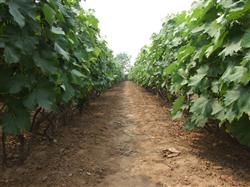
Scientific Methods for Using Fruit Tree Growth Regulators
How should growth regulators be used scientifically on fruit trees? Guidance requested. The following methods of using plant growth regulators can be used for reference: 1. Cutting rooting. Mainly used for grapes, kiwifruit, and apple dwarfing rootstocks. The commonly used agents are auxins such as indolebutyric acid (IBA), naphthaleneacetic acid (NAA), and sodium naphthaleneacetate. Methods of use: ①...
-
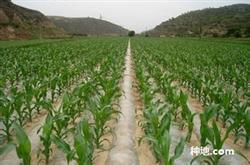
What to Do About Corn Herbicide Injury? Detailed Remedial Methods
What to do about corn herbicide injury? Please advise. A farmer, having missed the pre-emergence soil-applied weed control for corn, resorted to post-emergence weed control at the 3-4 leaf stage using atrazine, acetochlor and 2,4-D butyl ester. After application, on June 22, when the plants were about 1 m tall with 10-12 leaves and topdressing was being prepared, the corn was found to have...
-
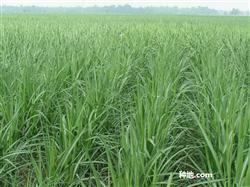
How to use herbicides scientifically? Key methods explained
How to use herbicides in sugarcane fields? I would like to ask about the chemical herbicide varieties commonly used in sugarcane fields: atrazine, simazine, oxadiazon, diuron, linuron, fluometuron, alachlor, haloxyfop, sugarcane amide, paraquat, glyphosate, etc. However, based on field observations and farmers' opinions, the safest and most efficient is the 55% sugarcane...
-
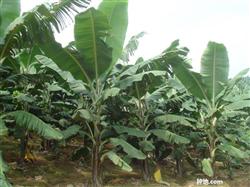
Application Methods and Technical Key Points of Pre-emergence Herbicides for Soybean
How are growth regulators used on banana? Please advise. The growth, development, flowering and fruiting of banana are affected by nutrients and endogenous hormones within the plant as well as external environmental conditions (climate, soil, management level). During growth and development, it is often constrained by one aspect or another, which affects the yield and quality of banana fruit. Plant...
-
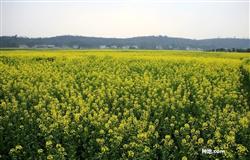
What are the remedial methods for herbicide phytotoxicity?
How should weeds be controlled in rapeseed fields? Please advise. To control weeds in rapeseed fields, on the basis of vigorously implementing crop rotation such as rapeseed-rice, rapeseed-vegetable, and rapeseed-bean, and strengthening field management, we must vigorously promote chemical weed control technology. Pre-sowing chemical stubble cleaning: during the fallow period after rice harvest and before rapeseed sowing or transplanting, use glyphosate, bai...
-
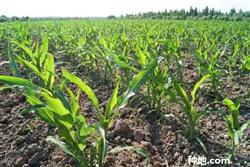
How to Weed a Corn Field? Practical Methods and Tips Shared
How should a corn field be weeded? Please advise. Weeding in corn fields is divided into two types: chemical weeding and manual weeding. Chemical weeding is mainly carried out after sowing and before emergence. Herbicides are mainly divided into two categories: those that kill existing weeds and those that kill weeds that have not yet emerged, and they are generally used in combination. Representative herbicides for killing existing weeds include Gramoxone...
-
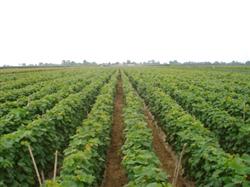
What are the methods for using herbicides on aquatic vegetables?
How can grapes be protected from herbicide damage? Please advise. According to surveys, the harm to grapes from herbicides is also becoming increasingly serious, especially for varieties that sprout and unfold leaves early, such as Vitis amurensis (Amur grape), which suffer particularly severe damage. The leaves of affected plants look as if they have been scalded with boiling water. Later they dry up and fall off, and the clusters also show varying degrees of wilting; in severe cases the berries...
-
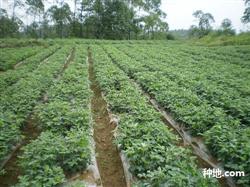
Chemical Weed Control Methods and Technical Key Points for Peanut Fields
How is chemical weed control carried out in peanut fields? Please explain. Peanut is one of the major economic crops, and in the cultivation process, the most labor-intensive and time-consuming task is weeding. The major harmful weeds occurring on peanut land include grass-family weeds such as large crabgrass, green foxtail, Chinese sprangletop, purple nutsedge, goosegrass, and late barnyardgrass; broadleaf weeds include field thistle, feather cockscomb, chickweed, prickly lettuce, small bindweed, shepherd's purse, knotweed, lambsquarters, amaranth, bean and black nightshade, etc.
-
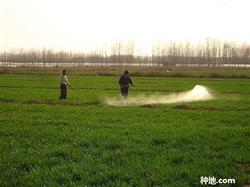
Chemical Weed Control Methods and Technical Points for Winter Wheat Fields
How to chemically control weeds in winter wheat fields? Please guide. For chemical weed control in winter wheat fields, you can refer to the following methods: 1. Control agents: 3% Shima oil suspension concentrate (mesosulfuron-methyl); 3.6% Kuoshima water-dispersible granules (mesosulfuron-methyl + iodosulfuron-methyl-sodium). 2. Usage amount: Shima...
-
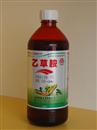
Detailed Guide to Acetochlor Soil Sealing Treatment Methods
How is acetochlor used for soil sealing treatment? Please explain that acetochlor is a selective pre-emergence herbicide and should generally be applied before weeds emerge, used as a soil sealing treatment agent. When the weeds in the above field are at the needle stage and soil moisture is suitable, using thifensulfuron-acetochlor also gives good weed control, but it is best to choose isoproturon...
条件筛选