-
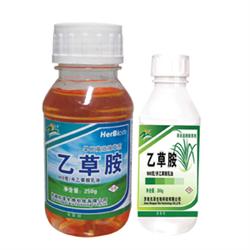
Introduction to the correct application methods of acetochlor
How is acetochlor applied? Please explain. Acetochlor is also known as Harness and acetochlor. It is suitable for soybeans, oil crops, peanuts, corn, cotton, vegetables, etc. It controls annual grass weeds and some broadleaf weeds. It is ineffective against perennial weeds. Acetochlor is a pre-emergence soil treatment, applied before crop emergence around sowing time...
-
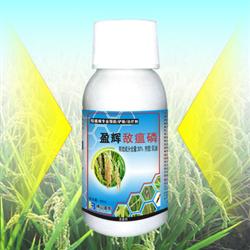
What are the correct methods for using edifenphos?
How is edifenphos used? Please explain. Edifenphos, also known as Kitazin, is a fungicide with protective and curative action. It is currently used mainly to control rice blast. Edifenphos also has good control effects against rice sheath blight, panicle blight, and northern and southern corn leaf blight. The formulation is a 40% emulsifiable concentrate. The application techniques are as follows:...
-
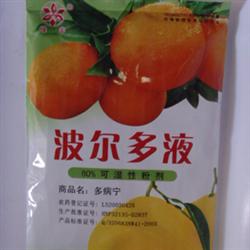
Correct methods for using non-systemic fungicides
How are non-systemic fungicides used? Please give an introduction. The following introduces how to use the non-systemic fungicide Bordeaux mixture: Bordeaux mixture is a sky-blue viscous suspension made from copper sulfate, quicklime and water. It is alkaline and corrosive to metals. It is a non-systemic protective inorganic fungicide, ...
-
What are the correct methods for using low-toxicity fungicides?
How are low-toxicity fungicides used? Please provide an introduction to the methods. The following introduces the methods for using several low-toxicity fungicides: Antimycin 120 (Nongkang 120, 120 agricultural antibiotic) is suitable for controlling powdery mildew, anthracnose and Fusarium wilt. To control soil-borne diseases such as Fusarium wilt of cucurbits and eggplant, a 2% aqueous solution at 130 to 200 times dilution can be used...
-
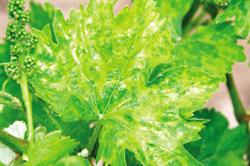
How to determine pesticide phytotoxicity? These judgment methods are worth knowing
How to determine pesticide phytotoxicity? Please provide an introduction to the methods. For phytotoxicity caused to crops, the existence of factors such as disease, nutrient deficiency, and crop physiological disorders increases the difficulty of identification. When phytotoxicity occurs and crop growth is abnormal, the following points should be noted in diagnosis: First, the abnormal...
-
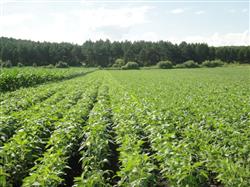
How to prevent pesticide damage to crops? A detailed guide to practical prevention methods
How to prevent crops from suffering pesticide damage? Please give an introduction to prevention methods. Correctly selecting pesticides: when choosing pesticides, understand their characteristics and apply them strictly according to the control scope stated on the label. When purchasing, guard against counterfeit and inferior products, and ask for a purchase invoice or credit card.
-
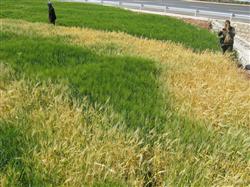
How to avoid pesticide phytotoxicity? A detailed guide to practical prevention methods
How to avoid pesticide phytotoxicity? Please provide guidance methods. To avoid pesticide phytotoxicity, you can refer to the following methods: 1. Fully understand the basic nature of phytotoxicity, strictly control the dosage and concentration used, choose the correct time and method of application, and do not arbitrarily increase the amount or frequency. 2. Understand the quality of the pesticide....
-
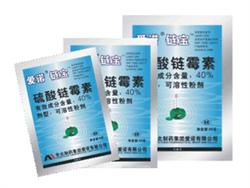
What are the methods for identifying the fungicide streptomycin?
How do you identify the fungicide streptomycin? Please provide guidance on the methods. Identifying genuine versus fake streptomycin pesticide is not difficult as long as you master the identification methods. Several simple physical identification methods are described below: 1. Hand-rubbing method: Genuine streptomycin fungicide does not feel slippery when touched by hand and becomes sticky after a certain period of time. Fake pesticide feels smooth when rubbed between the fingers, ...
-
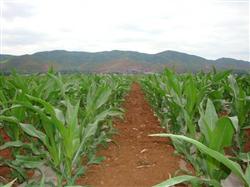
How to Do Chemical Weed Control in Corn? A Detailed Guide to Practical Methods
How is chemical weed control used in corn cultivation? Please give an introduction. Chemical weed control has been widely applied at all stages of corn growth. Because different regions have different climate characteristics and planting habits, the sowing and cultivation times of corn vary. According to how early or late the planting is done, corn is usually divided into spring corn and summer corn. For spring...
-
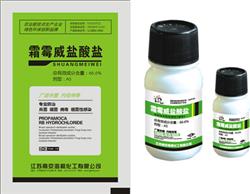
Correct application methods for the low-hazard fungicide propamocarb
How is the low-hazard fungicide propamocarb applied? Please provide an introduction to the application methods. Reference application methods for the low-hazard fungicide propamocarb are as follows: 1. To control damping-off and rhizoctonia rot in cucurbit seedlings, use a 500-fold propamocarb solution, spraying at a rate of 0.75 kg of solution per sq m, spraying 1 to 2 times over the entire seedling-raising period...
条件筛选