Spring Corn Aphid Control Methods and Key Points for Pesticide Application
The spring corn aphid belongs to the order Homoptera, family Aphididae, and mainly damages crops such as corn, sorghum, wheat, and foxtail millet, with adults and nymphs piercing and sucking plant sap. During the seedling stage, aphids gather on the undersides of leaves and in the heart leaves, causing damage. In mild cases, corn growth is poor; in severe cases, plant growth stagnates, and even seedlings die. In addition, it can transmit corn dwarf mosaic virus disease...
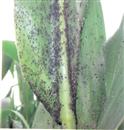
The spring corn aphid belongs to the order Homoptera, family Aphididae, and mainly damages crops such as corn, sorghum, wheat, and foxtail millet, with adults and nymphs piercing and sucking plant sap. During the seedling stage, aphids gather on the undersides of leaves and in the heart leaves, causing damage. In mild cases, corn growth is poor; in severe cases, plant growth stagnates, and even seedlings die. In addition, it can transmit corn dwarf mosaic virus disease, causing varying degrees of yield reduction. For specific control, first, note that when there are large numbers of Erigonidium graminicolum, ladybugs, hoverflies, and green lacewings among the grass during the corn seedling stage, try to avoid pesticide control or choose pesticides harmless to natural enemies. Second, control should be carried out before the aphid outbreak: 1. Spraying. Use 40 dimethoate emulsifiable concentrate or 80% dichlorvos emulsifiable concentrate at 1500-2000 times dilution; or BT emulsion at 200 ml per 667 sq m, mixed with 30 kg of water; or 25% diflubenzuron No. 3 suspension concentrate at 1000 times dilution; or 50% pirimicarb wettable powder at 3000-5000 times dilution. 2. Root zone application. Use 30% carbofuran granules, mixed with 10-15 kg of fine soil per 667 sq m, applied during the initial stage of corn aphid occurrence by opening furrows around the plant root zone and burying the application, with efficacy lasting about 30 days.