Common diseases of koi and treatment methods for koi trichodiniasis
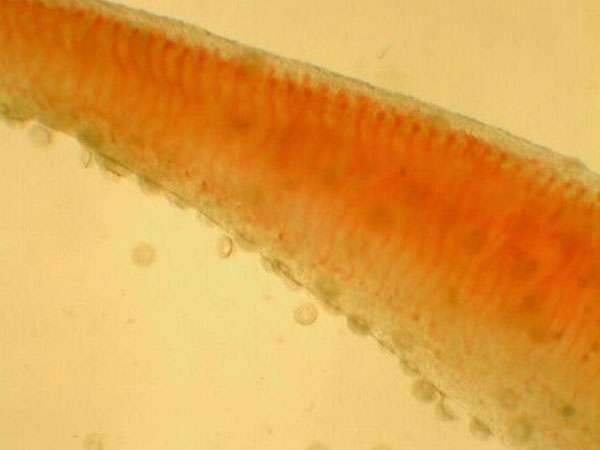
Symptoms of koi trichodiniasis: When infected, the gill filaments secrete excessive mucus, wrapping around each other, causing difficulty in breathing; the fish body turns black, and external mucus increases, as if covered by a layer of white mist. If not treated in time, death will occur soon. It is especially harmful to fish under 20 cm...
When infected, the gill filaments secrete excessive mucus, wrapping around each other, causing difficulty in breathing; the fish body turns black, and external mucus increases, as if covered by a layer of white mist. If not treated in time, death will occur soon.
It is especially harmful to fish of the year under 20 cm. Trichodiniasis usually occurs concurrently with chilodonelliasis and causes severe harmkoito the survival of fry.
The peak period of trichodiniasis is in late spring and early summer. It is usually more likely to occur in ponds with high fry density.
① Before transferring into the pond, soak with 8×10⁻⁶ copper sulfate for 20~30 minutes.
② For treatment, use deltamethrin 0.1× 10 -6 and splash over the whole pond.
③ For treatment, use a mixture of copper sulfate and ferrous sulfate and splash over the whole pond (tank), using 0.5× 10 -6 copper sulfate + 0.2 × 10 -6 ferrous sulfate, which can effectively kill Trichodina on the fish body surface and gills.