-
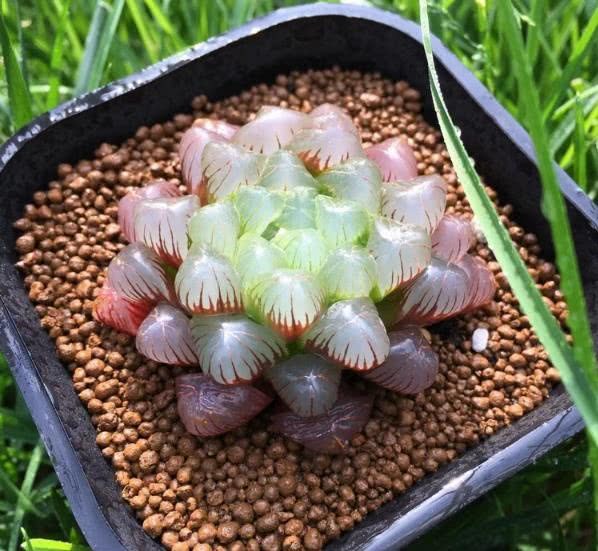
Haworthia cooperi leaves shriveled? Two methods to make them quickly crystal clear
Haworthia cooperi is a "soft-leaf" variety in the Haworthia genus of the Liliaceae family. This series has many varieties, the more common ones include Haworthia cooperi var. venusta, Yuzhang, Haworthia cooperi 'Hime', large Haworthia cooperi, spiny Haworthia cooperi, and so on. Haworthia cooperi plants are small and delicate, with rich variety...
-
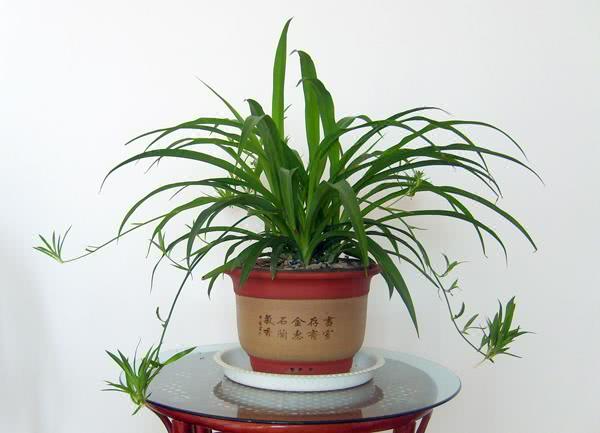
Spider plant leaf tips withering and turning yellow in summer: three methods to restore its lush green
Spider plant, evergreen all year round, suspended indoors, can be called an "aerial flower." The stolons it sends out from the leaf axils produce many small rooted plantlets that hang down along the pot, very elegant. Spider plant is also known as an indoor air "purifier," it can absorb...
-
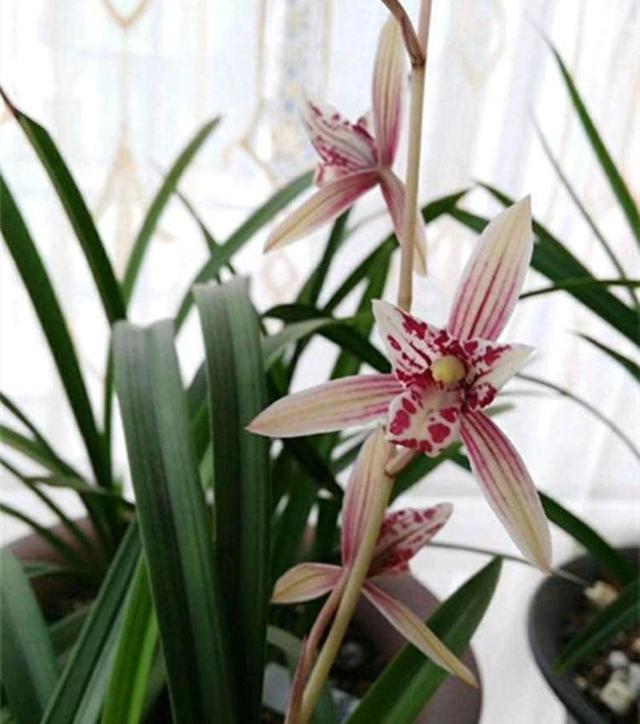
Growing orchids in summer: use this method and watering becomes second nature
Summer is the peak period of orchid growth. Once water is lacking, the orchids will grow poorly, but if they stay wet without drying out for a long time, they are prone to disease, so watering must be both timely and at the right time. How well watering is managed directly affects how well the orchids grow...
-
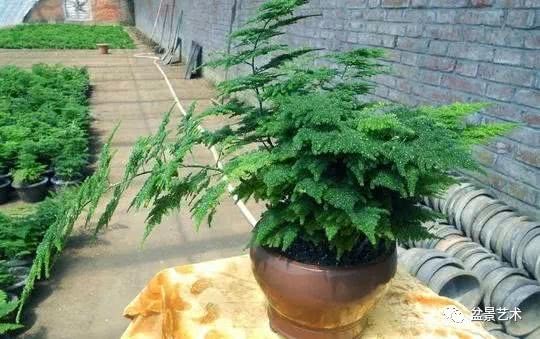
How to prune potted asparagus fern for a more beautiful shape? Detailed methods
Potted asparagus fern (Asparagus setaceus) is deeply favored by the general public for being easy to grow, elegant in appearance, and able to absorb toxic gases. The whole asparagus fern is verdant; although its stems and branches are slender, they stand upright, and its leaf-like branches spread horizontally in an approximately triangular form, with leaves reduced to membranous scales...
-
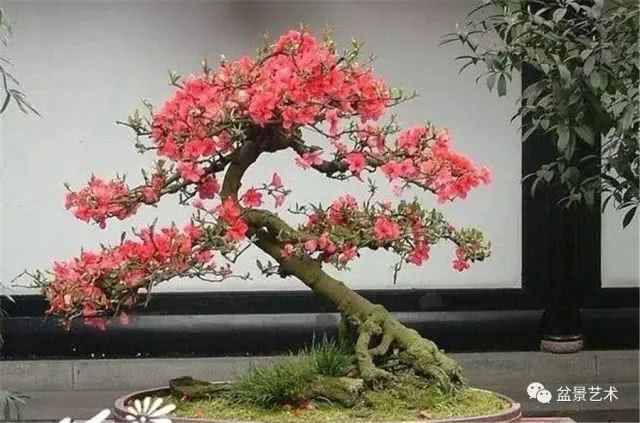
How to shape a Chaenomeles speciosa bonsai? The quick method is easy to understand at a glance
The flowers of Chaenomeles speciosa are gorgeous and pleasing to the eye, and its branches are vigorous, slanting, hard and powerful. With softness within strength, it is richest in antique charm. The fruit ripens in October and is golden yellow, also quite ornamental, making it an excellent bonsai tree species for both flowers and fruit. Generally, a Chaenomeles speciosa bonsai takes...
-
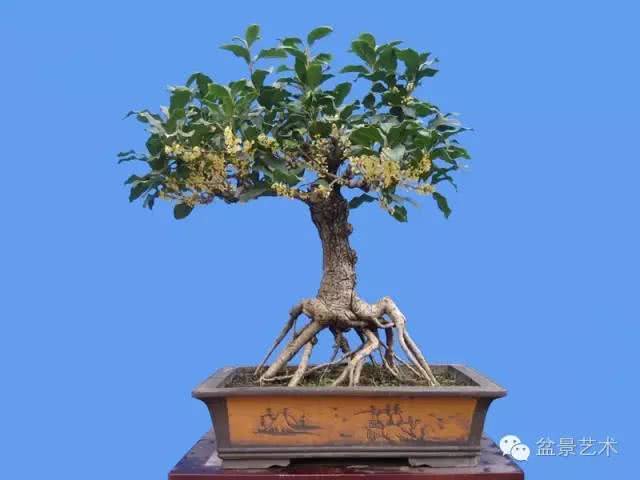
Detailed Explanation of Bonsai Making Methods and Cultivation Techniques
Osmanthus Bonsai Cultivation Techniques: Osmanthus prefers warmth and moisture. The average temperature for osmanthus cultivation is 14-28°C, with an average July temperature of 24-28°C and an average January temperature above 0°C; it can tolerate a minimum temperature of -13°C, and the optimum growth temperature is 15-28°C. Humidity has...
-
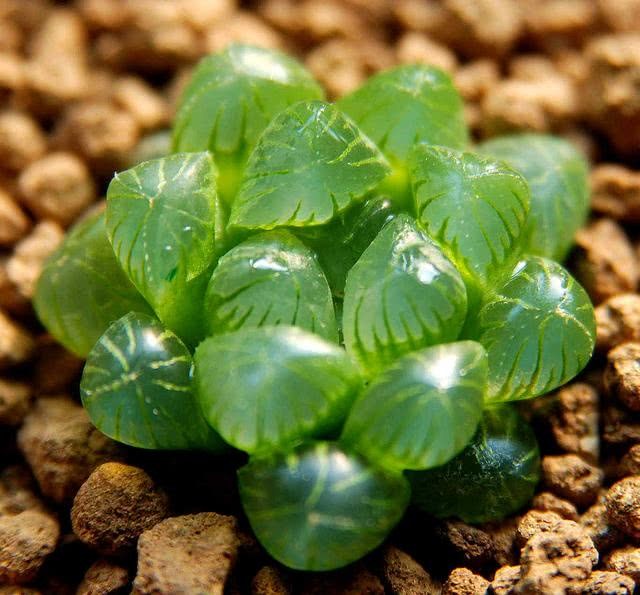
After two years in the hobby, I've summed up my care method for Haworthia cooperi var. obtusa - it quickly grows strong, radish-like roots.
First of all, the most important thing is getting the light right. From spring to autumn, I keep Haworthia cooperi var. obtusa on a south-facing balcony, a fully open environment, where it can get 4 hours of direct sunlight every day (it should be even better behind glass). I think when the temperature is between 1...
-
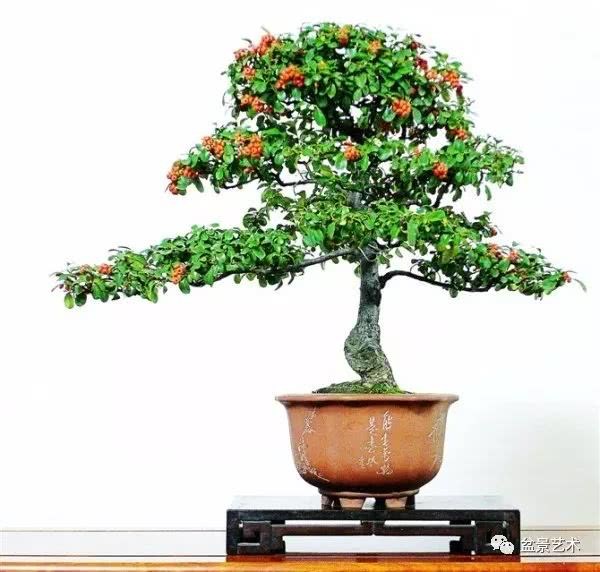
Detailed Explanation of the Technical Methods for Making Bonsai from Firethorn Seedlings
Firethorn (Pyracantha) is an evergreen shrub or small tree of the genus Pyracantha in the rose family (Rosaceae). It is a subtropical tree species, naturally distributed in the mountains and wilds of the southern provinces. Its branches are dense and its leaves small, and it has extremely strong resistance to stress. In May, white flowers cover the whole tree, like snow weighing down the branches; after flowering it sets fruit, which ripens from October to December...
-
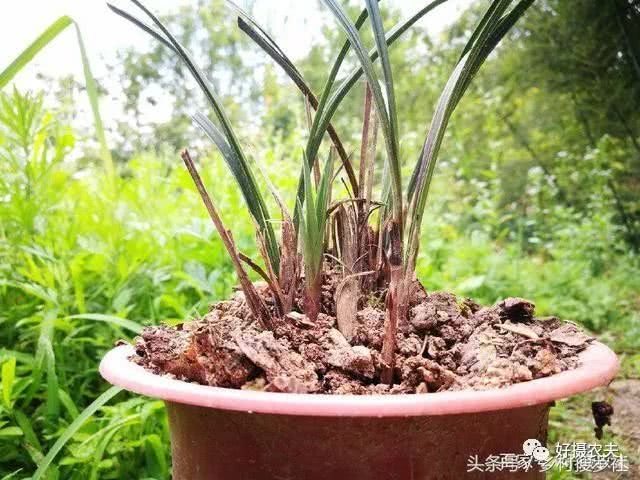
Three pots of Cymbidium goeringii nursed back to life over half a year are sending up new shoots, proving the method works
Haoshe Nongfu is not an orchid expert; what he shares is nothing more than his own practice. The pot of Cymbidium goeringii in the picture below was rescued on December 22 last year, when a netizen said: Don't bother, just throw it away. I wrapped the roots in pure moss, and now it has grown new...
-
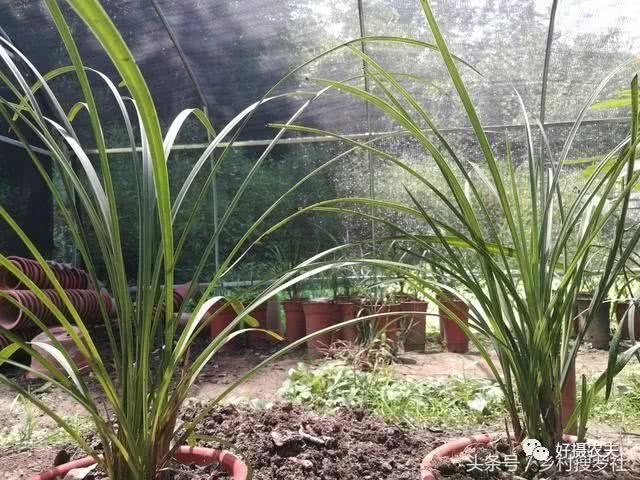
How to tell the difference between Chunlan and Huilan? Three key points to correct the method you may be using wrong
Recently a netizen left a message for Haoshe Nongfu, asking how to distinguish Chunlan (Cymbidium goeringii) from Huilan (Cymbidium faberi) when they are not in flower. Haoshe Nongfu previously wrote an article explaining the differences between Chunlan and Huilan. But I have found that in fact many orchid growers still...
条件筛选