-
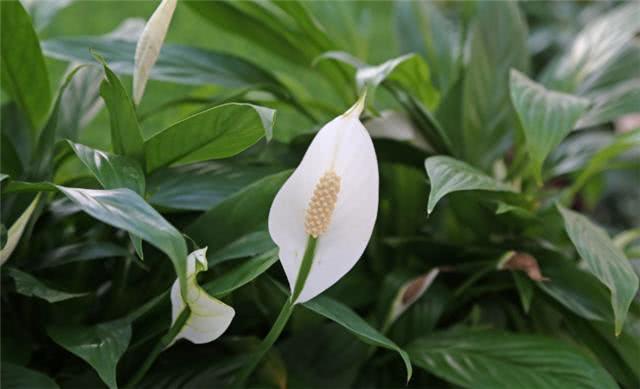
How do you care for a peace lily at home? Master this method and it will grow more and more luxuriantly
Fellow plant lovers should know that the peace lily (Spathiphyllum) is a flower that gardeners often care for, with its white flowers and green leaves making it very endearing. It also symbolizes a smooth and uneventful life, with everything going smoothly. Caring for a peace lily requires preparing loose soil, paying attention to the soil's drainage and aer...
-
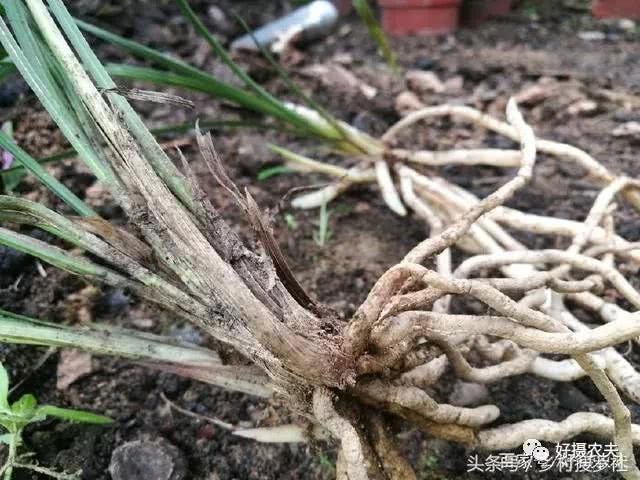
Repotting wild orchids: summer and spring methods are different, and if you don't understand this, it's very hard to keep them alive
Haoshe Nongfu has made videos before specifically explaining that wild orchids need root trimming when repotting, and has also shown everyone through videos that the more aggressively you trim, the better the new roots grow. But everything has a prerequisite, and that is the importance of the season. Yesterday a netizen...
-
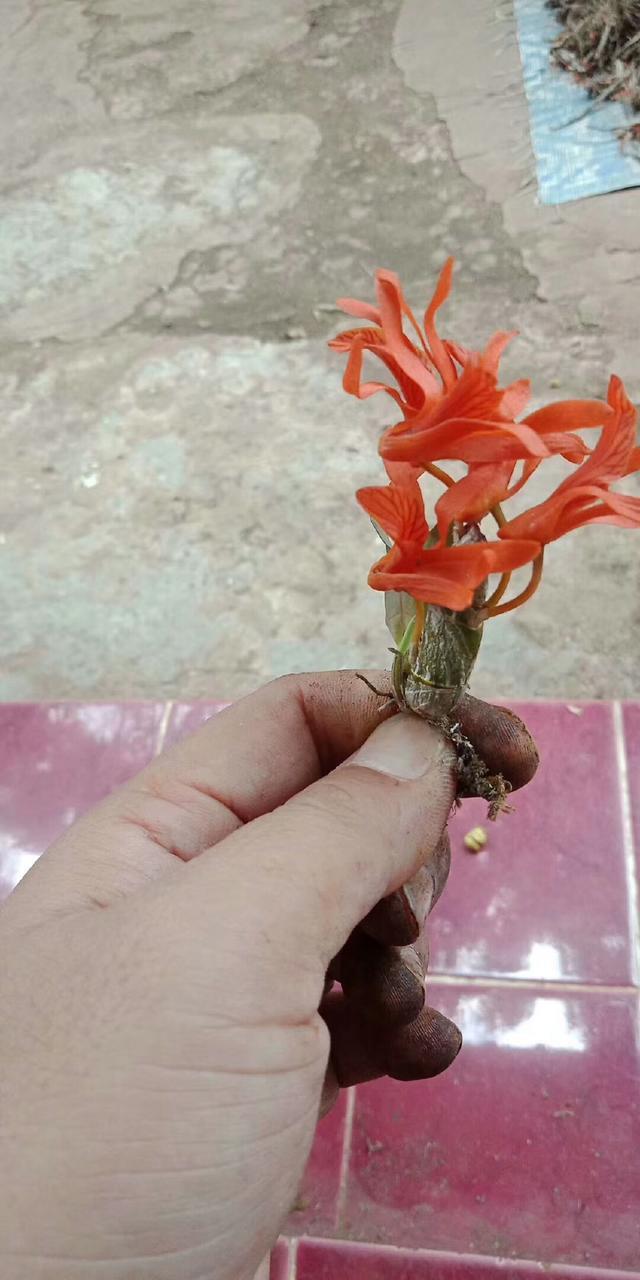
Methods for Tissue Culture of Dendrobium officinale and Selection of Cultivation Sites and Facilities
Selection of Tissue Culture, Cultivation Sites and Facilities for Dendrobium officinale I. Tissue Culture Techniques for Dendrobium officinale The seeds of Dendrobium officinale are affected by various factors during germination. If these factors cannot be effectively controlled, they will change the germination rate of Dendrobium officinale seeds, thereby affecting the yield and quality of Dendrobium officinale. After studying the relationship between seed age and germination, some scholars found that when using tissue culture techniques for germination, seeds with a seed age of 2-6 months were selected for separate cultivation. Among them, seeds with greater seed age showed obvious advantages in cultivation operations: the greater the seed age, the shorter the time required for germination and the higher the germination rate. It can be seen that when carrying out tissue culture, seeds with greater seed age should be preferentially selected for cultivation. In addition, adding appropriate NAA, IAA and IBA hormones to the culture medium promotes root growth in test-tube seedling cultivation. Therefore, during tissue culture, in order to increase the root growth rate of seedlings, hormones can be appropriately added to the culture medium according to actual cultivation conditions, thereby achieving the purpose of increasing income and yield.
-
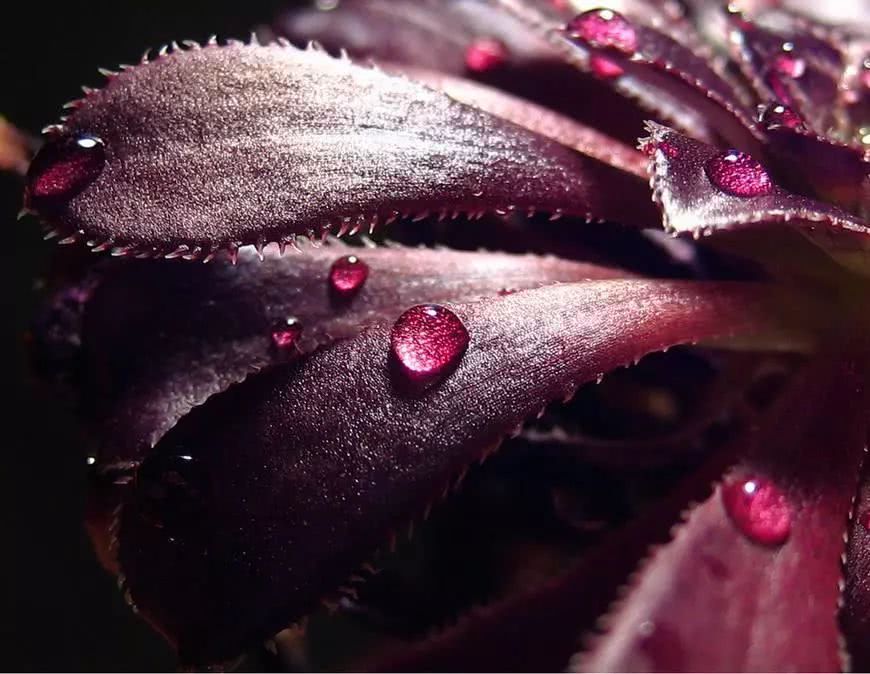
Black Aeonium care and propagation methods: 5 tips to teach you how to grow an old stump
Black Aeonium is surely more than familiar to many succulent lovers and rosette enthusiasts who have grown succulents. But for beginners who have just started growing flowers, it carries a hint of mystery, making many beginners shy away from it. So is Black Aeonium suitable for beginners to care for...
-
How to dwarf bonsai trees? Clever use of the ring-barking method to create bonsai
First of all, I have to say that everyone who clicked in to read this article got tricked into it. I've been pretty busy lately and don't have much time to play around. Although I have a lot of material on hand, I haven't had time to organize it. But work is work, and play is still play...
-
How do you tell if a bonsai is dry or wet? These methods are simple and practical
During bonsai care, watering is very important. If watering is not timely enough, the plant is prone to dying from lack of water, while if watered too much, problems such as root rot can occur. How do you tell if a bonsai is dry or wet? You definitely do not know these methods...
-

Growing moss on a stone that floats on water: planting and care methods
Natural pumice is a spongy rock formed from magma. It gets its name because it has many pores, is light in weight, has a low bulk density, and can float on water. The characteristics of natural pumice are light weight, high strength, resistance to acids and alkalis, corrosion resistance, and it is pollution-free and non-radioactive,...
-
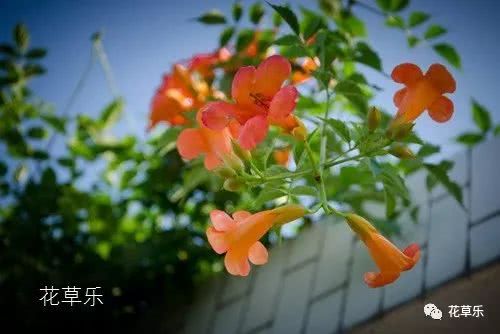
How to Grow Chinese Trumpet Creeper? Detailed Guide to Cultivation Methods and Precautions
Chinese trumpet creeper (Campsis grandiflora) is a climbing vine in the Bignoniaceae family, genus Campsis, also known as five-clawed dragon, tree-climbing dragon, vine flower, and so on. Its flowers are funnel-shaped, in bright red or golden yellow, with vivid colors and a long blooming period. Through pruning and shaping, it can be made into a hanging bonsai, or used to decorate windowsills, drying balconies, and so on.
-
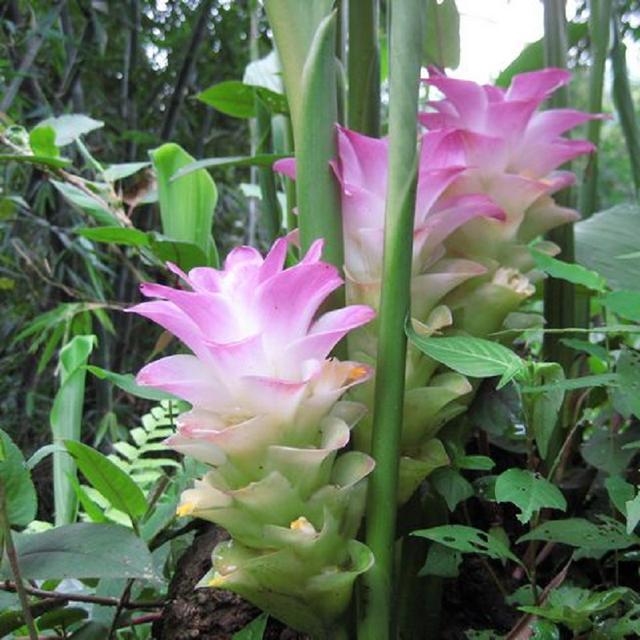
Effects of Different Cultivation Methods on the Yield and Economic Benefits of the Chinese Medicinal Herb Zedoary
A Preliminary Study on the Effects of Different Cultivation Methods on the Yield and Economic Benefits of the Chinese Medicinal Herb Zedoary. Wenli Town, Lingshan County, Guangxi is located in the southern subtropics and has certain advantages in terms of light, temperature and hydrology, while zedoary, as a Chinese medicinal herb with a long history of medicinal use...
-
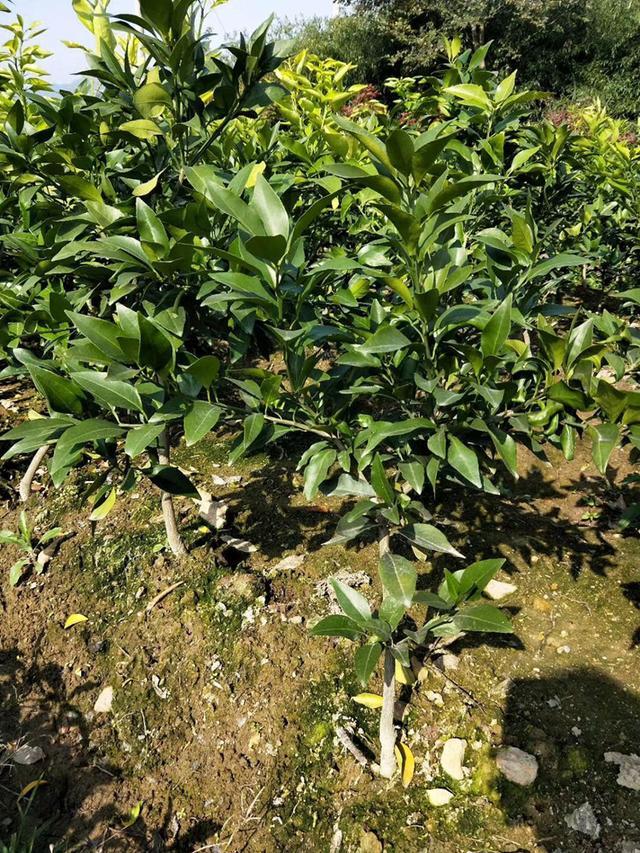
Key Cultivation Techniques and Pest and Disease Control Methods for Guangxi Wogan Mandarin
Key Cultivation Techniques for the New Wogan Mandarin Variety and Pest and Disease Control 1 Key Cultivation Techniques for the New Wogan Mandarin Variety 1.1 Selection of Saplings To grow Wogan in Quanzhou County, Guangxi, one should choose Wogan grafted saplings with a well-proportioned plant shape and a relatively intact root system. Saplings suffering from anthracnose, canker, and other diseases must absolutely not be selected for planting. In addition, for the Quanzhou area, red tangerine (Citrus reticulata 'Hongju') should be used as the grafting rootstock in alkaline soil as much as possible, while under paddy field soil conditions, large-leaf trifoliate orange (Poncirus trifoliata) is best used as the grafting rootstock, so as to ensure high-quality Wogan grafted saplings.
条件筛选