-
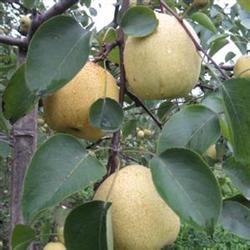
Methods and Key Technical Points for Applying Phosphate Fertilizer in Orchards
In spring and summer, the periods before and after flowering of fruit trees are stages prone to various diseases (physiological diseases and pathogen toxin diseases). At this stage, in addition to necessary chemical prevention, timely application of phosphorus and potassium fertilizers is also a good choice. However, many fruit growers tend to apply only nitrogen fertilizers (such as urea, high-nitrogen...
-
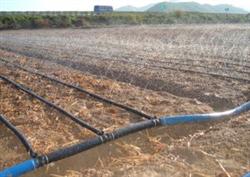
Correct Application Methods for Water-Soluble Fertilizers
Water-soluble fertilizer (WSF) is a multi-element compound fertilizer that dissolves completely in water. It dissolves rapidly in water, is more easily absorbed by crops, and has a relatively high absorption and utilization rate. More importantly, it can be applied in facility agriculture such as spraying and drip irrigation, achieving...
-
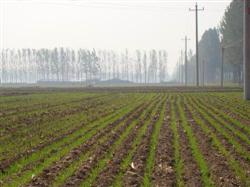
How can phosphate fertilizer efficiency in wheat fields be improved? Practical methods shared
1. Apply after mixed composting and fermentation with organic fertilizer. Organic fertilizer is rich in organic matter, phosphoric acid and a variety of organic weak acids, which can turn insoluble phosphorus into soluble phosphorus. It not only greatly improves the utilization rate of phosphate fertilizer, but also effectively overcomes the problem of phosphate fertilizer burning seedlings. 2. Apply in combination with nitrogen fertilizer, potassium fertilizer, and zinc fertilizer...
-
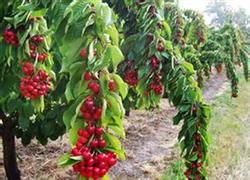
Correct Methods and Techniques for Spraying Foliar Fertilizer on Fruit Trees
Spraying Period and Dosage 1. Nitrogen fertilizer should generally be used in the early and late stages of fruit tree growth, appropriately combined with phosphorus and potassium fertilizers. An appropriate spraying concentration can effectively promote new shoot growth, increase fruit yield, and benefit flower bud differentiation. The concentration for urea is 0.2-0.3% in the early stage and 0.3-0.5% in the late stage; for decomposed human manure...
-
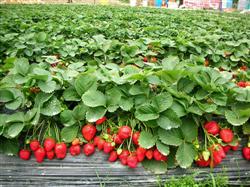
How to choose foliar fertilizer for strawberries? Master these methods and key points
Strawberry is a herbaceous plant that thrives in warm and humid environments. In recent years, greenhouse strawberry cultivation has developed in various regions, yielding considerable profits. As the national strawberry market has improved, the national strawberry planting trend in 2006 reached a historic high. Faced with overwhelming foliar fertilizer advertisements, strawberry growers are at a loss...
-
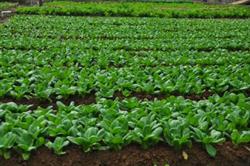
Foliar fertilizer spraying methods for vegetables vary by variety
Leafy vegetables such as Chinese cabbage, spinach, shepherd's purse, etc. need more nitrogen, so the fertilizer sprayed should mainly be urea and ammonium sulfate, with a urea spraying concentration of 1%-2% and ammonium sulfate of 1.5%, sprayed 2-4 times per season, preferably during the early growth stage. Fruiting vegetables such as chili peppers, eggplants, tomatoes, green beans and various melons have a...
-
How do you judge whether phosphate fertilizer is good or bad? Here are a few practical identification methods
Topdressing with foliar fertilizer is one of the most commonly used, economical and fast-acting fertilization methods in vegetable cultivation. It involves mixing fertilizer into an aqueous solution of a certain concentration and spraying it directly onto crop leaves to make up for the insufficient nutrient supply caused by the weak nutrient uptake capacity of the roots. Extensive application has shown that topdressing with foliar fertilizer can improve vegetable yield and quality,...
-
How is biogas humic acid phosphate fertilizer composted? Detailed method and steps
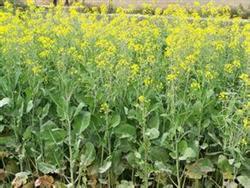
The uptake of phosphorus by rapeseed is greatest during the bolting and flowering stage, but as for the utilization of phosphorus and its yield-increasing effect, applying phosphorus at the seedling stage is best. Because phosphorus can be repeatedly utilized within the rapeseed plant, the earlier the absorption period, the greater the efficiency. Applying more phosphate fertilizer can promote an earlier growth period; generally, the seedling stage can be advanced by 2-4 days, the bolting and flowering stage by 2-6 days, and the maturity stage by 1-2...
-
Methods and Techniques for Scientifically Applying Phosphate Fertilizer to Wheat
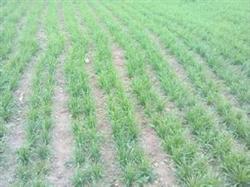
Wheat is a crop with a relatively high phosphorus requirement, and scientifically applying phosphate fertilizer is one of the key measures to improve phosphate fertilizer efficiency, reduce fertilization costs, and promote high-quality and high-yield wheat. 1. Apply after mixing and composting with organic fertilizer. Organic fertilizer is rich in organic matter, phosphoric acid, and various organic weak acids, which can turn insoluble phosphorus into soluble phosphorus...
-
Rational application methods and technical key points for potassium fertilizer
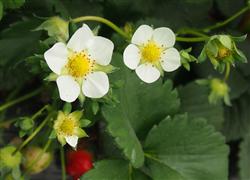
Strawberries bloom and bear fruit continuously, with many flowers and a large fruit load, and a long flowering and fruiting period, so they consume a lot of phosphorus and potassium fertilizer. Once phosphorus is deficient and potassium is low during the flowering and fruiting period, cold resistance will decrease, few flowers will form, flower buds will be weak, and flowering and fruiting will be affected. Not only will the fruit-setting rate be low and the fruit prone to deformities, but the coloring will also be poor, the sugar content will drop, and the taste will be bland, ...
条件筛选