-
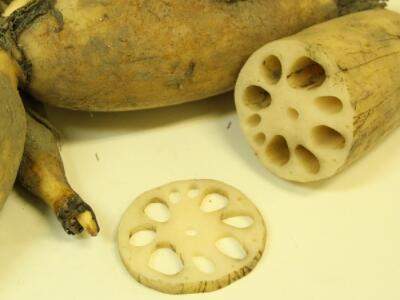
Causes and Control Methods of Soft Rot in Lotus Root, Lettuce, and Romaine Lettuce
Lotus root, lettuce, and romaine lettuce are three crops prone to soft rot during production. So what are the causes, and what control methods are available? Let's take a look below. Causes and control methods of lotus root soft rot. Causes: 1. It is a fungal disease.
-
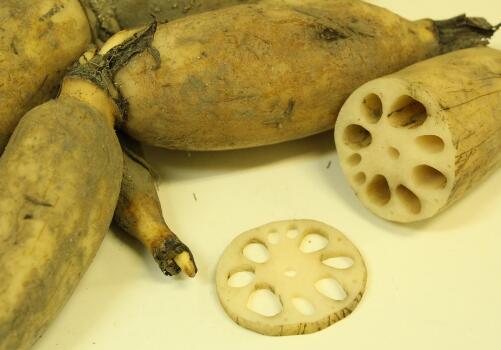
Analysis of Lotus Root Planting Time, Methods, and Planting Prospects
As the folk saying goes: "The lotus is a treasure from top to bottom, and autumn lotus root is the most nourishing." Now is the perfect season to eat lotus root. Lotus root is one of the common vegetables on the dining table; it can be stir-fried or stewed in soup, and it is rich in minerals and vitamin C. Eating lotus root regularly is good for your health. Lotus root is cultivated in many regions of China
-

-
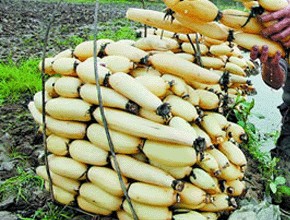
Detailed Explanation of Lotus Root Planting Techniques and Field Management Key Points
Lotus Root Planting Techniques
-
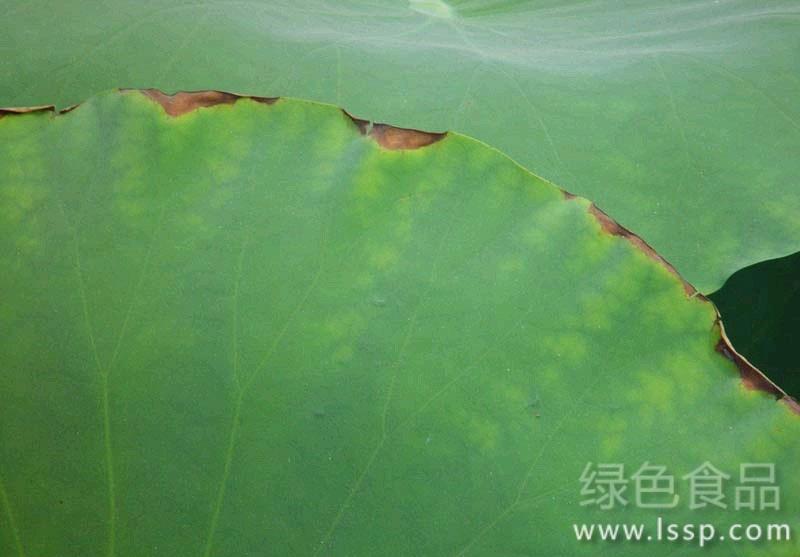
Lotus root Alternaria leaf spot causes diseased areas to turn brown and dry up, and leaf stalks break easily. How can it be prevented and controlled?
Diseased areas turn brown and dry up, leaf stalks break easily: prevention and control methods for lotus root Alternaria leaf spot
-
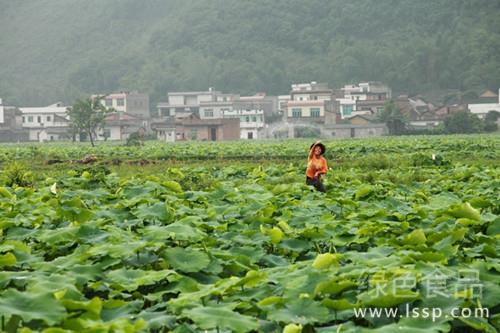
Control methods for lotus root brown spot disease, black spot disease, rot disease, fusarium wilt and viral disease
Control methods for lotus root pests and diseases: brown spot, black spot, rot, wilt and virus
-
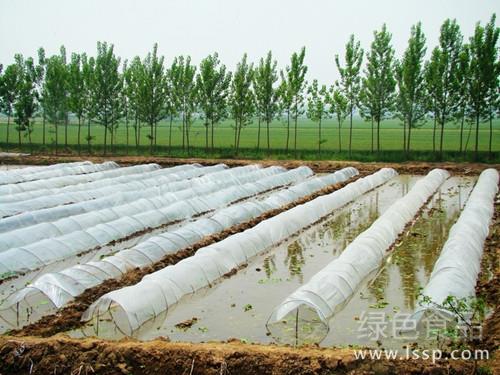
Spring Arch-Shed Lotus Root Cultivation Technique: Fresh Lotus Root Can Be Supplied in Midsummer
Fresh Lotus Root Can Be Supplied in Midsummer: Spring Arch-Shed Lotus Root Cultivation Technique
-
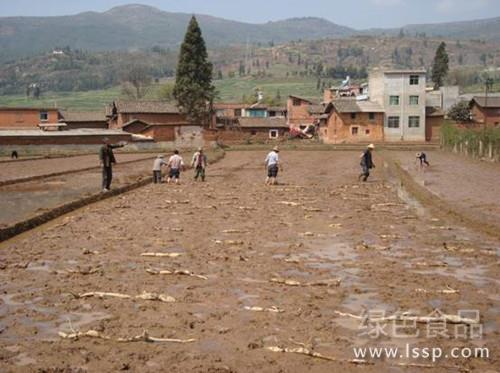
Shallow-water lotus root cultivation techniques: lotus root prefers shallow water, tolerates heavy fertilization, and does not tolerate drought
Lotus root prefers shallow water, tolerates heavy fertilization, and does not tolerate drought: cultivation techniques for shallow-water lotus root
条件筛选