Analysis of Lotus Root Planting Time, Methods, and Planting Prospects
As the folk saying goes: “The lotus is a treasure from top to bottom, and autumn lotus root is the most nourishing.” Now is the perfect season to eat lotus root. Lotus root is one of the common vegetables on the dining table; it can be stir-fried or stewed in soup, and it is rich in minerals and vitamin C. Eating lotus root regularly is good for your health. Lotus root is cultivated in many regions of China and is an important cash crop for agriculture in Hubei, Jiangsu, Anhui and other places. So, when is lotus root, a “plant of the Nymphaeaceae family,” generally planted? What are its planting prospects? What planting methods are there?
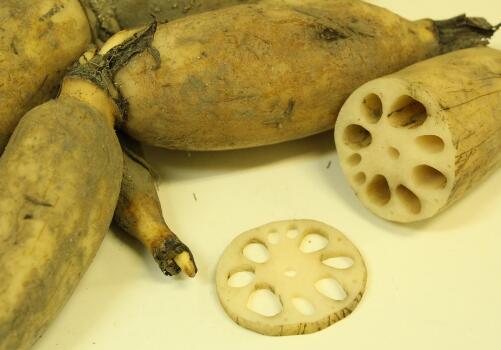
I. When is lotus root generally planted?
Generally speaking, rainy and hot seasons are suitable for the growth of lotus root, and planting times vary from region to region. In the north, the usual planting time is April to May, while areas south of the Yangtze River are relatively earlier, planting in March to April.
Whether planting in the south or the north, when selecting seed, plump and large mature daughter lotus roots and mother lotus roots with relatively small nodes and bright color are the suitable choices. Generally, white lotus root and Huaqi lotus are high-yielding lotus root varieties. For the soil, be sure to choose deep clay soil rich in organic matter; neutral or slightly acidic soil is fine.
II. Lotus root planting prospects
In recent years, lotus root cultivation has developed relatively steadily. In addition to the nutritional value of lotus root itself, growers have also used their wisdom to improve the economic benefits of lotus root cultivation. From this perspective, the planting prospects for lotus root are promising.
1. Lotus root itself is rich in value
The dietary fiber and mucilage protein in lotus root can combine with triglycerides and cholesterol in food, and can also combine with harmful bile salts in the human body, thereby lubricating the intestines and promoting bowel movements and reducing fat absorption;
Lotus root is rich in trace elements and vitamins, with relatively high levels of vitamin C, vitamin K, vitamin B12, potassium and iron;
Lotus root contains a large amount of dietary fiber and tannic acid.
2. Processing of lotus root products
Lotus root can be processed into products such as lotus root starch, lotus leaf tea, lotus seed dew, lotus root juice, lotus leaf essential oil, candied lotus root, and lotus root vermicelli, thus clearly extending the lotus root industry chain. As lotus root sales channels broaden, lotus root sales naturally increase, and farmers' wallets grow ever fuller.
3. Co-cultivation in lotus ponds
If lotus root is planted alone in a pond, the economic benefits are average, but if lotus root is co-cultivated with fish and shrimp, resources are fully utilized. This is because the feces produced by the farmed fish and shrimp, as well as dead fish and shrimp, can provide some nutrients for the lotus root. At the same time, they play a certain role in removing nitrogen and phosphorus from the water body. The activity of the fish and shrimp also keeps the pond soil loose and aerated, which not only improves economic benefits but also produces lotus root with better taste and better appearance. Of course, relying only on these as fertilizer is limited, and we need to learn to fertilize reasonably.
III. Lotus root planting methods
What we generally see more often is field lotus root cultivation. We need to master the following key planting points to increase lotus root yield.
1. Seed selection
There are many varieties of lotus root, and we should choose suitable lotus root seeds according to the specific conditions of the region. Usually, those weighing more than half a jin and with two or three nodes can be used as seed. Before planting, the lotus root seeds need to be disinfected, generally by leaving them sealed for one day until the medicinal solution dries before planting. It is worth noting that dug-out lotus root seeds should not be left for too long; planting them immediately is best. About 200 kg of lotus root seeds are needed per mu of pond.
2. Land selection
For planting lotus root, choose a field with convenient transportation, easy irrigation, and stable water. At this time, we should apply base fertilizer to ensure that nutrients are not insufficient throughout the lotus root's growth period and to improve the soil to some extent. The specific amount of fertilizer should be determined according to the fertility of the soil. Generally, the fertilizers needed per mu include farmyard manure, calcium, zinc, general-purpose compound fertilizer, etc.
3. Topdressing
For lotus root during the growth period, generally 2-3 topdressings are needed. Fertilization is usually carried out in the early morning or evening when the weather is good. Before fertilizing, add a certain amount of water, but the depth should not be too high, so that the fertilizer can fully dissolve into it. Two days after fertilizing, raise the water back to its original level.
If the paddy field is relatively deep, we need to process the fertilizer by kneading it into small balls to prevent it from floating on the water surface without sinking.
When fertilizing, be careful not to step on and injure the lotus rhizome, which would affect the amount of lotus root formed.
4. Pest and disease control
The main pests and diseases of lotus root include the root-eating Donacia beetle and stiff lotus root, so we must master control measures.
To control the root-eating Donacia beetle, generally in late May, use 100 (new lotus field)-150 ml (old lotus field) of 5% fipronil suspension concentrate per mu, dilute with 1 kg of water, mix with 10 kg of fine soil, and spread evenly.
To control stiff lotus root, mainly adopt crop rotation, choose disease-free seed lotus root and disease-free paddy fields for planting, promptly clean up dead leaves and remnants in the field after the lotus root harvest, and appropriately increase the application of phosphorus and potassium fertilizer in the middle and late stages, among other agricultural measures.