-

How to Increase Loquat Yield? A Detailed Explanation of Key Management Techniques
How to Increase Loquat Yield
-

How to prevent and control fruit cracking in loquat? These measures you need to master
Prevention and control measures for loquat fruit cracking
-
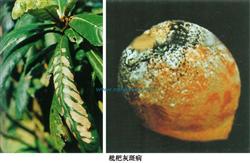
Comprehensive Control Methods and Key Technical Points for Loquat Gray Leaf Spot
Loquat gray leaf spot, also known as "ring spot." It is the most important disease of loquat. It attacks branches, leaves, flowers, and fruit. There are two types: acute and chronic: in the chronic type, leaf spots are initially light brown circular spots; later they join into irregular large spots, with small black dots scattered on them. On young shoots, the disease starts as small water-soaked brown...
-
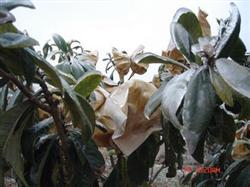
Detailed Explanation of Key Points of Freeze-resistant Cultivation Techniques for Loquat
I. Effects and Damage of Freeze Injury on Loquat. Loquat blooming in October to November is the "first bloom," which has the greatest chance of being frozen, but has a long growth period, large fruit, and good quality; blooming in November to December is the "second bloom," which has less chance of being frozen and a slightly shorter growth period, but its quality is not much different from the "first bloom"; blooming in January to February is the "third bloom...
-
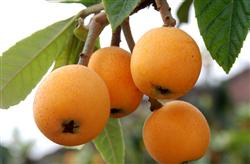
Detailed Explanation of Key Points of Balanced Fertilization Technology for Loquat
According to the fertilizer requirements of loquat, the growth of branches and root systems, and fruit development, determine the appropriate fertilization timing, fertilizer types, amounts, and application methods (pouring, hole application, trench application, or broadcasting followed by turning the soil to cover, etc.), and pay attention to the rational combination of nitrogen, phosphorus, potassium, and organic fertilizer with inorganic fertilizer. (1) Fertilization for young trees...
-
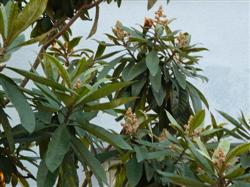
What are the winter management techniques for loquat trees?
First, apply winter fertilizer well, control excessive shoot growth, and strengthen the flower-forming genes and flower organs and ovaries. Promote and control, promote flowering, disinfect, and activate all in one go. This enables the fruit tree to bloom more and set more fruit year after year, protect and plump the fruit, and achieve stable yields and high quality. Second, carefully do the work of thinning and retaining flowers. For young loquat trees, growth should be allowed to expand the canopy, and the terminal flowers and...
-
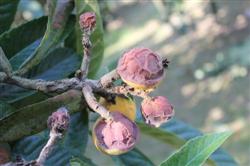
A Detailed Guide to the Nutritional Needs and Fertilization Techniques of Loquat
Loquat anthracnose is a fungal disease that can harm loquat leaves, fruit and seedlings, mainly attacking the fruit. Initially, pale brown water-soaked round spots form on the fruit surface, later turning tea-brown to dark brown round or oval lesions; the affected part becomes sunken and is densely covered with small pale red dots that later turn into small black dots arranged in concentric rings, and the fruit...
-
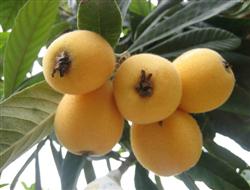
Want loquats to fruit early and yield heavily? Fertilization technique is the key
Fertilizing young trees. Young loquat trees should be fertilized 5-6 times a year. In the first year just after planting, it is best to apply fertilizer once a month. Use fairly dilute human manure urine or organic fertilizer mixed with inorganic fertilizer, applying 1-1.5 kg per tree at 25-30 cm around the tree. From the second year on, apply a shoot-promoting fertilizer once before each new flush sprouts, and 15-20 days later, after the tender shoots have unfolded...
-
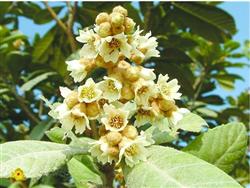
How to manage loquat trees after they finish flowering in early spring
1. Apply fruit-setting fertilizer. When the young fruit appears after the loquat has finished flowering, apply fruit-setting fertilizer, mainly a quick-acting, fast-dissolving complete nitrogen-phosphorus-potassium fertilizer. For bearing trees over five years old, apply 1.5-2 kg of nitrogen-phosphorus-potassium compound fertilizer per tree, or 40-50 kg of decomposed and rotted human and livestock manure water. 2. Prevent and control pests and diseases. When the young fruit appears after the loquat has finished flowering, ...
-
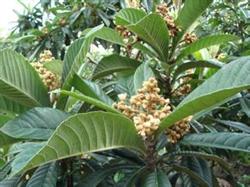
Good post-harvest management of loquat is the key to a good harvest next year
Loquat harvesting is basically finished in May, and post-harvest production management directly affects tree vigor growth and next year's fruiting. Post-harvest production management of loquat should mainly be carried out in three aspects: fertilization, pruning, and pest and disease control. Apply sufficient post-harvest fertilizer. After harvesting loquat, fertilizer should be applied in time to promote the development of summer shoots, with nitrogen fertilizer as the main type, ...
条件筛选