-

An introduction to coffee cultivation techniques, growing regions, and various coffee-making methods
The more people who grow coffee, the more economic benefits can be gathered, which is what coffee growers hope for, but growing coffee also involves many hardships. Let's take a look at the coffee estate of Fang Zhenglun, the "Coffee Prince" in the words of Chiayi locals. The mist-shrouded Alishan,
-
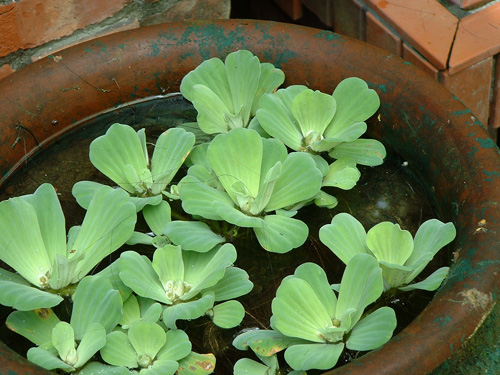
Pistia stratiotes (Water Cabbage, Water Lettuce) Introduction and Detailed Ecological Habits
Pistia stratiotes (Water Cabbage, Water Lettuce) Scientific name: pistiastratiotes Alias: Water Lotus, Large Duckweed, Water Lily, Fat Pig Grass, Water Hibiscus, Water Floating Lotus Family and Genus: Araceae Pistia Genus Morphological characteristics: Perennial floating herb. With stolons, leaves basal, rosette-like clustered, sessile
-
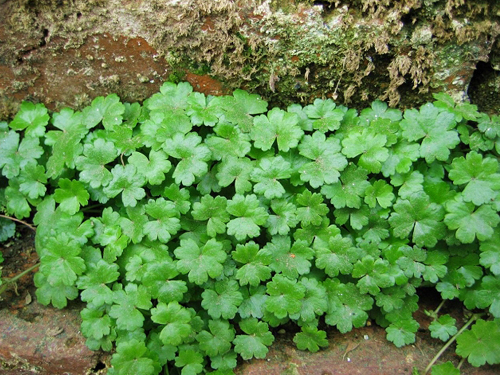
How to grow Hydrocotyle sibthorpioides? Introduction and care methods for Baby's Tears, Po Tong Qian
Hydrocotyle sibthorpioides (Baby's Tears, Po Tong Qian, Taiwan Hydrocotyle) Scientific name: hydrocotylesibthorpioides Family: Apiaceae Morphological features: Perennial herb. Plant height 5-10 cm, stems slender, creeping growth. Leaves alternate, kidney-shaped, usually 5-lobed, hence the name Po Tong Qian
-

What Types of Cycads Are There? Introduction to Common Varieties
Cycads are a rare plant group in the world, with 24 extant species. Those commonly seen in gardens include: Cycas rumphii, Cycas szechuanensis, Cycas panzhihuaensis, Cycas micholitzii, Cycas multipinnata, Zamia cycads, and others
-
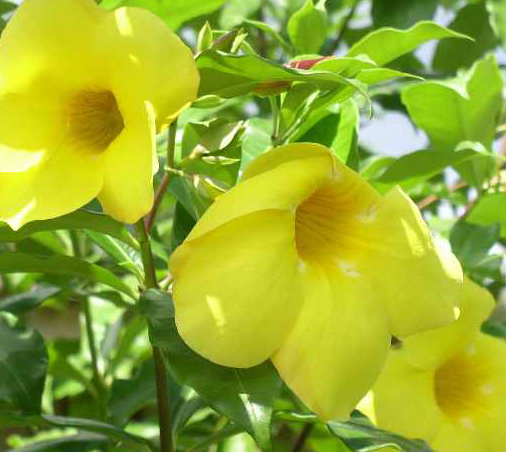
What types of yellow allamanda are there? A detailed introduction to common yellow allamanda varieties
Yellow allamanda belongs to the genus Allamanda in the family Apocynaceae. This genus has 15 species, distributed in tropical America. The common species and cultivated species introduced and grown in China include: yellow allamanda, willow-leaved allamanda, double-flowered willow-leaved allamanda, small-leaved willow-leaved allamanda, white allamanda, and purple allamanda. Yellow allamanda is an evergreen shrub. Leaves are 3-5 in whorls, ovate-lanceolate, with entire margins
-

What varieties of Spatholobus suberectus are there? Detailed introduction to common varieties
What varieties of Spatholobus suberectus are there
-
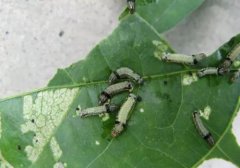
What are natural enemy insects? An introduction to common natural enemy insects such as green lacewings
What are natural enemy insects, what characteristics do they have, what do they mainly eat? Using natural enemy insects to control pests is a special control method that can reduce environmental pollution and maintain ecological balance. The mass rearing and use of natural enemy insects in China have achieved remarkable
-
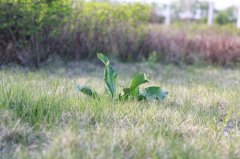
How to manage perennial invasive weeds? An introduction to practical control methods
Weed control: no matter what crop you grow, weed problems will always exist, so how do you manage weeds? Do you know how? If not, then let's find out together. The interference of weeds with the normal growth of crops differs from the damage caused by pathogens and insects and other pests (p
-
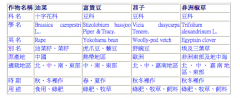
What Are Green Manure Crops? An Introduction to Common Green Manure Crop Types
How much do you know about green manure? Want to find out? Then let's take a look together. See how much you know about green manure? 1. About Green Manure Taiwan, China is located in the subtropics, with a hot and humid climate. Organic matter in the soil decomposes relatively quickly, and soil nutrients are easily lost through intense leaching,
-
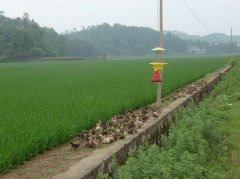
New Technology for Ecological Duck Farming in Rice Paddies: An Introduction to Efficient Duck Farming Methods
Natural ecosystems are diverse, with various organisms coexisting in harmony. We can raise many animals in rice paddies to increase income. Let's take a look at how to raise ducks in the fields. Also, beneath this beautiful ecology lie troublesome problems. For organic farms
条件筛选