-

Introduction to the Bonsai Garden of the Yangzhou-Style Bonsai Museum
The Bonsai Garden of the Yangzhou-Style Bonsai Museum is located in the Slender West Lake Scenic Area, integrating functions of collection, exhibition, popularization and research, covering an area of over 40 mu. Yangzhou-style bonsai is one of the five major schools in China, and its craftsmanship of "one cun (one cun is 82.5px) with three bends" is truly unmatched in the world.
-
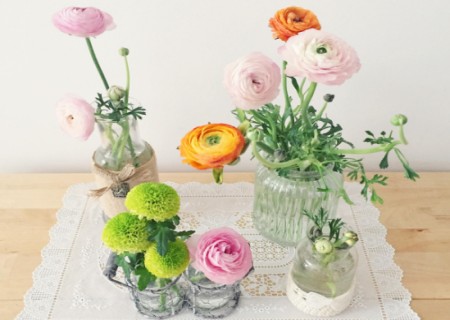
An introduction to Persian buttercup cultivation methods, teaching you how to grow it
Persian buttercup, also known as Ranunculus asiaticus, buttercup, celery flower, and Persian crowfoot, is a plant of the genus Ranunculus in the family Ranunculaceae. Its layer upon layer of petals gather softly and neatly together, making people want to hold it in their hands. The flower language of Ranunculus asiaticus means charming allure
-

What to use to disinfect sago palm root rot? Introduction to the correct treatment method
The sago palm not only has a thick trunk at its rhizome, but also a very developed root system. Generally, we need to prepare a large flower pot to grow it. However, the sago palm is relatively drought-tolerant and afraid of waterlogging, so overwatering easily causes root rot. When root rot occurs, we must take remedial measures in time.
-
Introduction to Boston Ivy Cultivation Techniques and Disease Prevention and Control Methods
You have seen ivy. Ivy is a very common plant. It has other names, such as Shilong, maple vine, small insect grass, red silk grass, etc. Ivy also has medicinal value. Do you want to know how to cultivate ivy? This is a small introduction to ivy cultivation techniques and disease prevention.
-
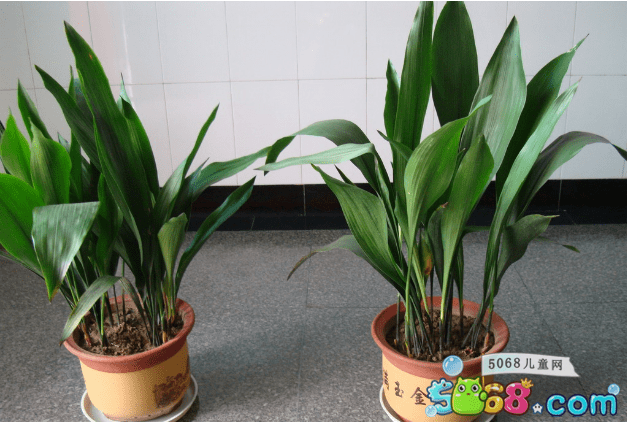
How to care for the Aspidistra (cast iron plant) in winter? Introduction to winter care methods
If the leaves are well maintained, they stay green in every season. It is very eye-catching in the home all year round, and this plant is also fairly cold-tolerant, but if it gets too cold, it cannot endure it, so in winter, those who keep it need to take good care of it. Below, the editor will introduce to you the winter care methods for the Aspidistra.
-
How to propagate string of coins by beheading? Introduction to propagation methods for green plants and flowers
This succulent should be grown by many succulent fans. One of its propagation methods is beheading and propagating. I believe many people do not understand this. Below is a guide to introduce the beheading method for string of coins. I hope everyone likes it.
-

How to propagate night-blooming jasmine? Introduction to common propagation methods
How do you propagate night-blooming jasmine at night? Breeding methods for night-scented night-blooming jasmine, also known as night-scented flower, night-blooming fragrant flower, is a common flowering plant in our lives, suitable for growing in gardens or pots. Night-blooming jasmine usually blooms at night, and only opens in the morning. When the sun comes out, its stamens will curl up
-
How to propagate begonias? Introduction to propagation methods for green plants and flowers
The four-season begonia is improved in this way: the pot breaks open in January, and within two months it is full of flowers! The four-season begonia is a fleshy herbaceous plant of the genus Begonia, also known as Begonia, four-season begonia, glass begonia and seed begonia. Its main propagation methods are seed propagation, division propagation and cutting propagation. The four-season begonia plant is elegant
-
Green plants and flowers: an introduction to the artificial cultivation and propagation methods of roses
Rose, also known as wild rose, is a plant of upright, climbing or spreading deciduous shrubs, mainly distributed in the temperate, subtropical and tropical mountainous regions of the Northern Hemisphere. Want to know how to cultivate roses artificially? This is an introduction to the artificial cultivation and propagation of roses. Artificially cultivated roses are quite widely adaptable
-
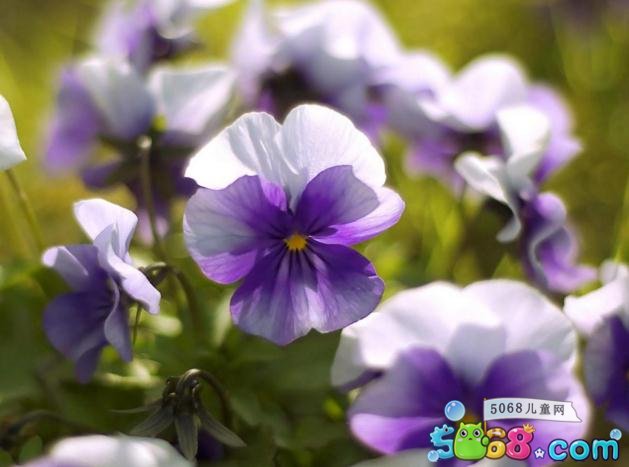
Introduction to the Ecological Habits and Disease Control Methods of Stock (Matthiola incana)
Stock is native to the Mediterranean coast and is now widely cultivated in the south of that country, and is one of the famous flowers of Europe. It can often be seen in many cities, or can be planted in gardens or greenhouses for viewing. What are the ecological habits of stock? This is a short series introducing stock disease prevention and control
条件筛选