-
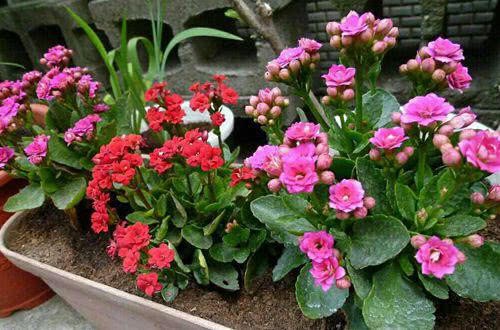
Prune your kalanchoe like this in autumn, and it will bloom profusely with thick leaves and masses of flowers
The kalanchoe has a particularly lovely name, symbolizing health and longevity, with bright and beautiful blooms and thick, jade-green leaves. Its flowering period is also fairly long, making it very suitable to keep a pot of kalanchoe at home, and you can also propagate more kalanchoes yourself at any time...
-

Don't throw away banana peels; soak them in water and use it to water your flowers, no fertilizer needed, and the leaves will be so green they drip
There are quite a few people who never use fertilizer for their plants, and that's really fine, but if you insist on fertilizing, then let's use banana peels instead of fertilizer for growing plants, convenient and easy to use, and today we'll show you how. Try to turn banana peels into...
-
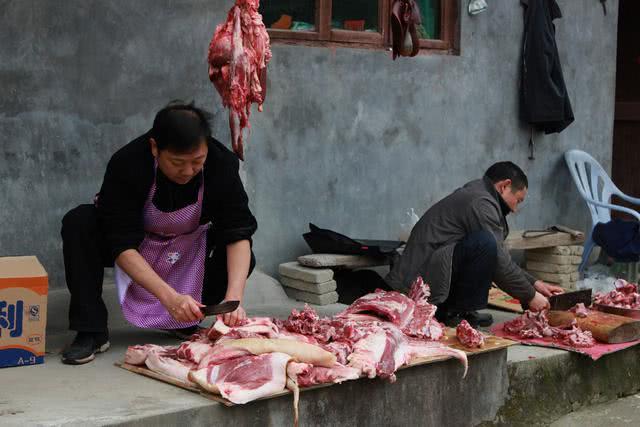
China's oldest soap can remove dirt, care for the skin and prevent chapping, and only old farmers have used it
The wisdom of China's working people is there for all to see, especially in ancient times in China, when there was none of today's advanced technology or internet, and people produced things suited to their use based on their own experience of labour...
-
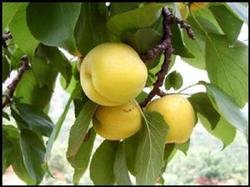
What causes rotten fruit in greenhouse apricots? How should it be handled?
Causes of rotten fruit: Insufficient light in the greenhouse. During prolonged overcast days or rain and snow, dust accumulates on the surface of the greenhouse film, resulting in insufficient light and excessive humidity inside the greenhouse. Young fruit growing for a long time in dark, damp air is prone to rot. Excessive temperature in the greenhouse: During the young fruit stage of apricots, if the temperature inside the greenhouse exceeds 28°C...
-
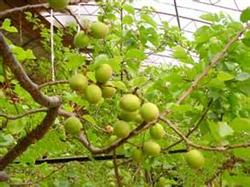
Spring management of greenhouse apricot trees to promote development
For apricot trees in a warm winter greenhouse, the fruit development period runs from mid-February to the end of April. This period is divided into three main development stages. The first stage is the first rapid growth period of the apricot tree and the new shoot growth period, lasting 28-34 days; the second stage is the pit-hardening period, lasting 8-12 days; the third stage is the second rapid growth period of the apricot fruit and the new shoot growth period, lasting...
-
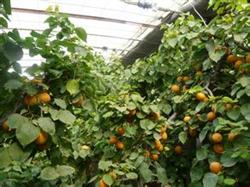
Key management points for greenhouse apricot trees after entering spring
Key management points for greenhouse apricot trees in spring. For apricot trees in winter-warm greenhouses, the fruit development period runs from mid-February to the end of April. This period is divided into three main development stages. The first stage is the apricot tree's first rapid growth period and new shoot growth period, lasting 28-34 days; the second stage is the pit-hardening period, lasting 8-12 days; the third stage is the apricot fruit's second...
-

Taiwan's Fuh Sheng No. 11 is simply a hell ship! EJF Foundation investigation reveals abuse of fishermen and illegal fishing, calls on Taiwan to face the issue actively
Taiwan's Fuh Sheng No. 11 is simply a hell ship! EJF Foundation investigation reveals abuse of fishermen and illegal fishing, calls on Taiwan to face the issue actively
-

Ying'er accidentally revealed a private item on a show, making viewers nationwide hit the pause button.
Ying'er accidentally revealed a private item while appearing on a show, making viewers nationwide hit the pause button! I wonder if you have watched the variety show "Wife's Travel"? This variety show is quite interesting too, and it probably made many people...
-

Growing flowers in autumn and winter, watering: these 2 kinds of water must not be used, they easily cause root rot and yellow leaves
There is a lot of knowledge and many tricks to growing flowers, such as the common practice of watering flowers with rice-washing water, watering flowers with beer diluted in water, and watering flowers with vegetable-washing water, and so on. If you study it carefully, you will find that most of the tricks for potted flowers are related to "watering". ...
-
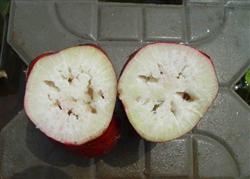
What to Do About Hollow Heart in Radishes? Causes and Control Measures in Early Spring
Hollow heart in radishes, also called pithiness, is the phenomenon in which cavities form in the central part of the xylem of the fleshy root. 1. Causes: (1) It is related to the variety. Varieties with large parenchyma cells in the fleshy root have poor density in the fleshy root and are prone to hollow heart. (2) It is related to soil texture. Radishes grown in soil that is too sandy will develop hollow heart earlier than radishes grown in loam or clay...
条件筛选