Koi lying at the bottom of the tank? Or is it a skin and scale disease like red-skin disease?
Red-skin disease is also called hemorrhagic putrefaction disease, red-skin plague, scale-erosion plague, or fin-rot disease.
Symptoms
The diseased fish's scales fall off (which distinguishes it from skin inflammation and congestion disease), especially obvious on both sides and the belly. The diseased fish's skin is locally or largely inflamed and congested, the bases of the fin rays of the dorsal fin, caudal fin, and other fins are congested, scales fall off, especially noticeably on both sides and the belly of the fish, the ends of the fins rot, often rotting away a section, and some develop fin rot; the surface lesions often become secondarily infected with water mold, the upper and lower jaws and part of the gill cover of the fish become congested, and patchy red spots appear; some gill covers develop "open skylights," and some fish also have congested and inflamed intestines, while the mouth cavity and muscles remain normal.
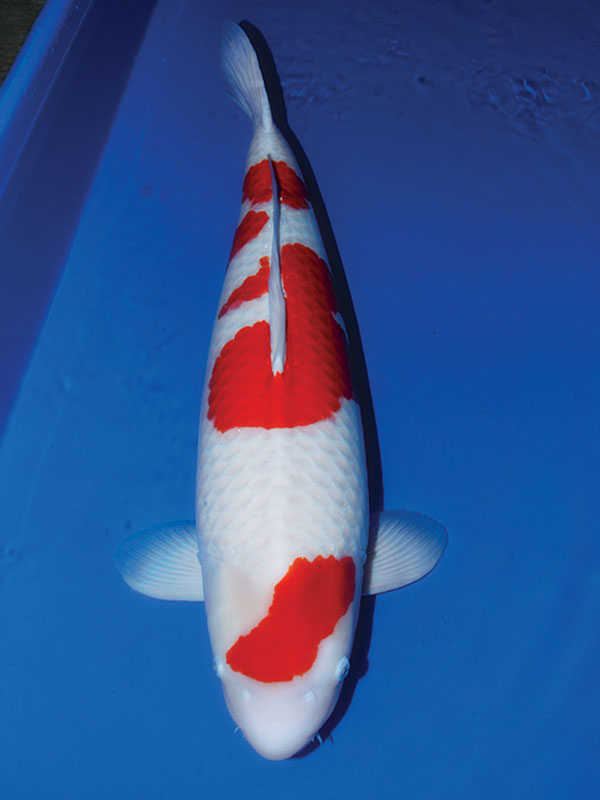
(Red-skin disease)
Cause
Red-skin disease is caused by Pseudomonas fluorescens (PSEUDOMONAS FLUORESCENS); fish with injured bodies are prone to this disease. Spring and autumn are the epidemic seasons, and it can cause mass mortality in fish. This disease is closely related to water quality; it tends to occur when dissolved oxygen is low and organic matter content is high.
Prevention and treatment methods
Stock at a reasonable density and maintain the dissolved oxygen in the water at about 5MG/L. Strengthen feeding management and keep the water quality fresh. Periodically sprinkle nitrofurazone or furazolidone throughout to prevent the disease.
Related reading:
Carp pox
Carp pox
Furunculosis
Saprolegniasis
Skin inflammation and congestion disease
Red-skin disease
Enteritis
Gill rot disease
White head and white mouth disease
Scale protrusion disease
Print disease
White skin disease
Hole-in-the-body disease
Tail rot disease
Costiasis
Dactylogyrus disease
Trichodiniasis
Ichthyophthiriasis
Anchor worm
Fish louse disease
Trichodina disease
。