-

Occurrence and Control of the Comstock Mealybug in Bagged Pear Orchards
One of the main pests that enter the bag. The calyx depression and stem depression are the most severely affected. Purple-red halos appear at the damaged spots, growth stops, and deformed fruit forms; in severe cases, the fruit surface cracks and dries up. This pest generally has 3 generations per year, mainly overwintering as eggs or 1st to 2nd instar nymphs on branches and mummified fruit, with a few overwintering as fertilized females; when the pear tree buds in the following spring, the eggs hatch into nymphs. Activity begins in April of the following year, the first generation reproduces in May-June, the second generation in July-August, and the third generation in September-November. Pesticides with good control efficacy against this pest include 40% omethoate
-
Key Technical Points for Late-Stage Management of Mature Prickly Ash Orchards
I. Strengthen management during the flowering and fruiting stages. (1) Boron spraying at flowering: During the full-bloom stage of prickly ash, spray 1-2 times with a 0.3% borax solution, which can noticeably increase the fruit-setting rate. (2) Use of prickly ash reddening agent: Applying a reddening agent can promote coloring of prickly ash and increase yield. 7-10 days before harvesting prickly ash, spray the trees 1-2 times with a 200-fold dilution of the reddening agent, so that the ripening period of prickly ash becomes relatively more concentrated, picking efficiency increases by an average of more than 2 times, the peel is bright in color, the peel yield rate increases by 3.3%, and the yield per plant increases by 23%. (3) Timely
-
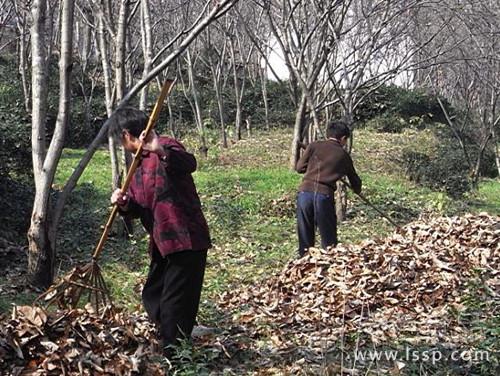
Five key points for winter management of chestnut orchards: clean the orchard, deep plough, fertilize, prune, and control pests
Cleaning the orchard, deep ploughing, fertilizing, pruning, and pest control: key points for winter management of chestnut orchards
-
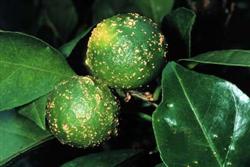
Identification of Fertilizer Damage Symptoms in Citrus Orchards and Detailed Prevention Measures
From early May to the end of June is the critical period for citrus from flower drop to fruit stabilization. In citrus production, this period is usually called the young fruit stage. During this time, citrus will go through two important physiological fruit drop stages: the first physiological fruit drop and the second physiological fruit drop. The quality of cultivation and management during this period often directly affects the yield and fruit appearance of that year...
-
How to plant watermelons in young orchards? Detailed planting methods
Methods for planting watermelons in young orchards
-
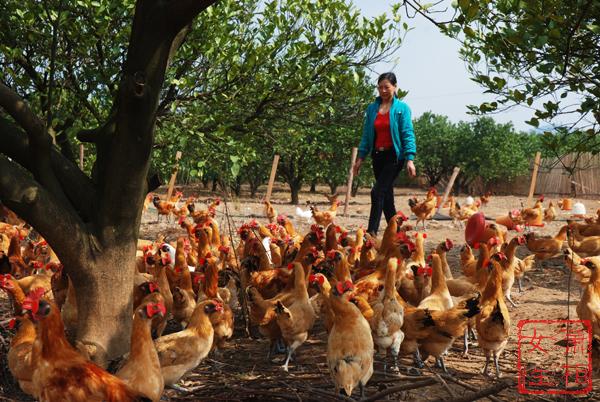
Many benefits of raising chickens in orchards, a good choice for a win-win between planting and breeding
Raising chickens in orchards - a multi-win choice
-
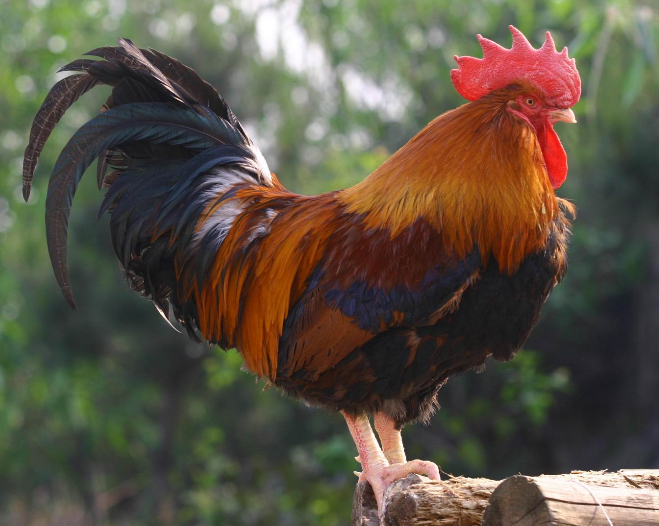
Key Technical Points and Management Methods for Free-Range Native Chickens in Orchards, Explained in Detail
Free-Range Native Chicken Technology in Orchards
-
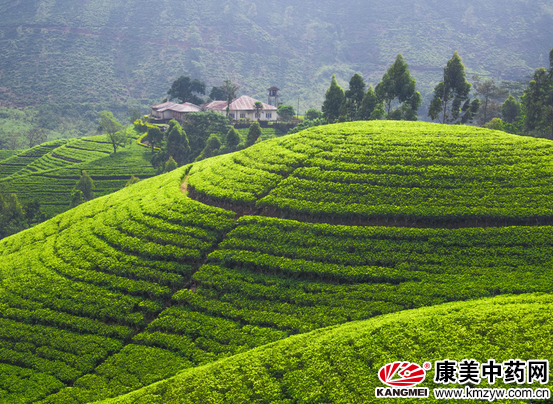
Interplanting these Chinese medicinal herbs in orchards can earn you even more
In fact, you could earn more. Your orchard can also be interplanted with these Chinese medicinal herbs
-
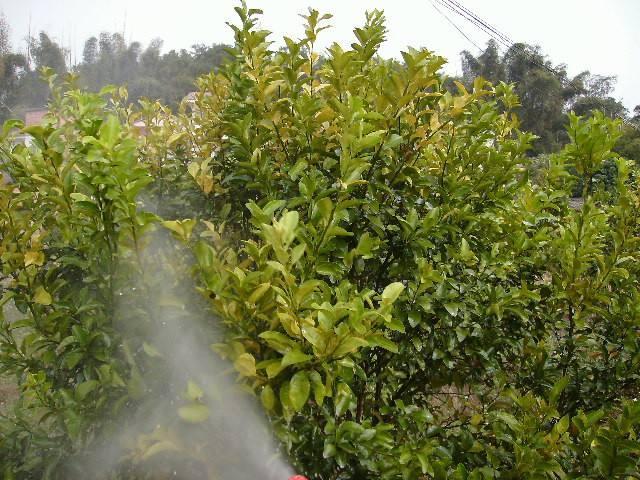
Detailed Explanation of Key Techniques for Winter Management of Citrus Orchards
Winter Management Techniques for Citrus Orchards In winter, citrus trees enter a relatively dormant period, with relatively weak physiological activity, making it a good time for orchard disinfection, sterilization, and pest control. At the same time, after a year of growth and fruiting, the citrus tree body has consumed a large...
-
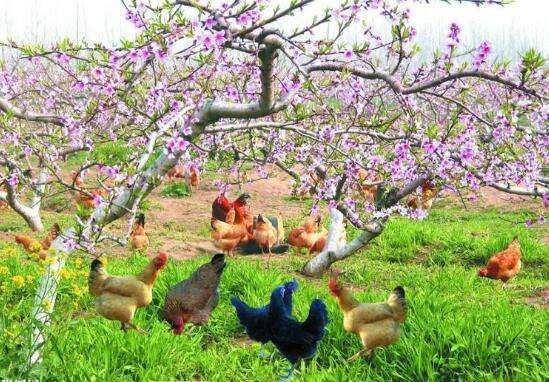
Detailed Explanation of Labor-Saving Cultivation Techniques for Modern Peach Orchards in Southern China
Detailed Explanation of Labor-Saving Cultivation Techniques for Modern Peach Orchards in Southern China Traditionally, southern peaches grown in Hunan Province and other southern provinces generally have low trunk heading, and the "one, three, nine" training system is adopted for tree shaping, resulting in canopy closure in later stages, early tree senescence, and inconvenience for field operations...
条件筛选