Many benefits of raising chickens in orchards, a good choice for a win-win between planting and breeding
When chickens are raised in orchards, they peck at and eat fruit tree pests within the orchard, which can both reduce pest control costs and save feed, and improve the quality and flavor of eggs and chicken meat; chicken manure is a high-quality organic fertilizer (1 ton of chicken manure is equivalent to 55-82 kg of ammonium sulfate, 88-96 kg of superphosphate, and 12-17 kg of potassium sulfate), and when excreted directly in the orchard, it can improve the orchard soil, build up soil fertility, and increase fruit tree yields. Therefore, raising chickens in orchards can be said to achieve multiple benefits at once. The technical key points are:
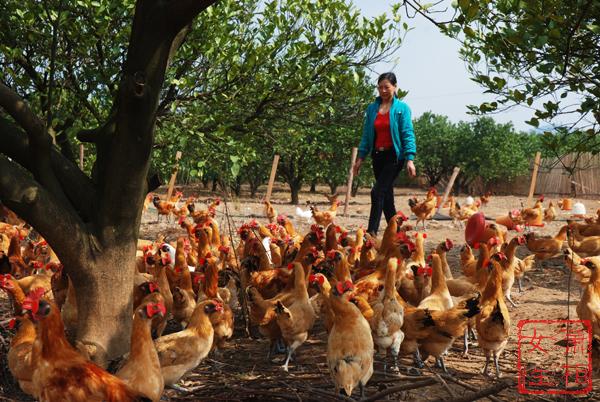
1. Selection of orchard site and breed. It is best to choose mountain orchards far from livestock and poultry trading markets, slaughterhouses, processing plants, chemical plants, and waste treatment sites for raising chickens. The shade density of the orchard should be above 70% to prevent sunstroke in chickens caused by direct sunlight in summer. Protective netting should be set up around the orchard to prevent chickens from escaping and natural enemies from intruding. For chickens, choose high-quality local native chicken breeds that tolerate coarse feed, have a wide range of activity, strong foraging ability, and good disease resistance.
2. Build sheds. According to the orchard area and the number of chickens raised, appropriately build some simple sheds to provide the flock with a place to rest, lay eggs, take shelter from rain, and escape the heat, and to prevent them from being drenched by rain, exposed to the sun, and accidentally startled. The sheds mostly use bamboo and wood structures, and should be built in wind-sheltered, sunny places with high and dry terrain. The size varies by location. The roof can use fiberglass tiles or felt paired with straw. The shed should be high in the middle and low on both sides, with drainage ditches dug around it.
⟧
3. Stocking density. According to the orchard area, it is appropriate to stock 150-250 chickens per mu. If the density is too high, the shortage of feed such as insects and grass will increase the amount of concentrate fed, affecting the flavor of chicken meat and eggs; if the density is too low, it will cause a waste of resources and low breeding benefits.
4. Reasonable rotational grazing. Separate the orchard with wire mesh and divide it into several plots. When the grass and insects in one plot are insufficient, move the chickens to another plot for grazing. This not only facilitates management, but also prevents rats, weasels, and others from harming the flock and bringing in infectious pathogens, and at the same time helps establish a food chain.
5. Disease prevention and control. When raising chickens in orchards, the chickens have a wide range of activity, making disease prevention and control difficult. In addition to routine immunization, keepers are required to strengthen their sense of responsibility, pay attention every day to observing and recording the flock's feed intake, drinking water, spirit, feces, sleeping posture, and other conditions, and immediately isolate and treat sick chickens when found, and give preventive medication to threatened flocks. During the grazing period, regularly add a certain amount of disinfectant to the chickens' drinking water to control the content of harmful bacteria in the drinking water and prevent the spread of disease. Chicken coops and orchard grounds should be kept clean and hygienic, and regularly disinfected with lime milk.
In addition, pay attention to preventing harm from animals such as rats and weasels, and when laying eggs, be careful to prevent snakes and other animals from slipping into the egg-laying nests.