Key Technical Points and Management Methods for Free-Range Native Chickens in Orchards, Explained in Detail
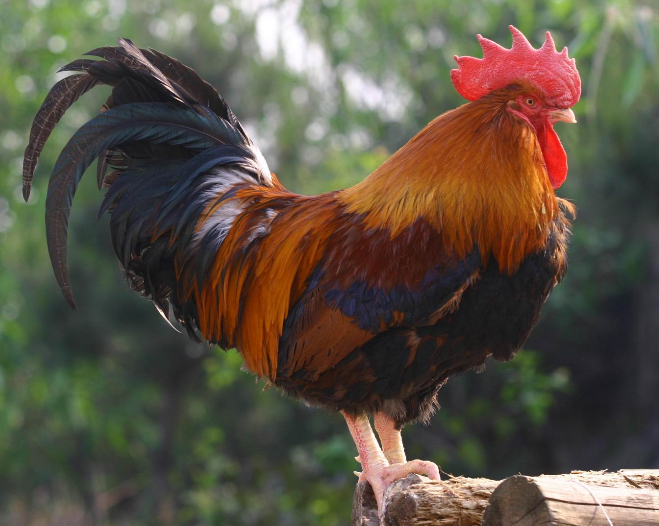
Native chickens and native chicken eggs have become favored by people. Native chicken eggs are relatively comprehensive and balanced in nutrition, mainly containing abundant protein, vitamins and inorganic salts; they contain almost all the nutrients the human body needs, are easy to digest and absorb, and taste delicious, making them a rather ideal pure natural green food. When native chickens are raised free-range in orchards, the orchard grass grows vigorously, insect feed is abundant, and there is plenty of leftover orchard by-product, all of which the native chickens can make good use of. Letting the native chickens feed on insects and green grass in the orchard and appropriately supplementing with some fine feed such as corn and paddy rice not only ensures the high quality and high nutrition of free-range native chicken eggs, but also guarantees the pure natural nature of the free-range chickens. At the same time, it also prevents apple diseases and clears the weeds under the fruit trees.
Establishment of the Chicken House for Free-Range Native Chickens in Orchards
1. Site selection for the chicken house: The chicken house should be built in a pollution-free place, far from villages and main roads, sheltered from the wind and facing the sun, on dry terrain, and at the same time it must meet animal epidemic prevention conditions.
2. Construction of the shed: Use a brick-and-wood structure, 3 m to 3.5 m high; the floor and walls should have a smooth cement finish for easy disinfection; the roof can use a clay tile or asbestos tile structure and must be insulated; drainage ditches should be dug around the chicken house; lighting and feeding equipment inside the house should be complete. The area is determined according to the scale of the orchard and the scale of rearing, but the rearing scale should not be too large; 1000 to 2000 birds is appropriate.
3. Construction around the rearing site: According to the scale of the orchard and the scale of rearing, enclose a fence with wire mesh or bamboo fencing, about 2 m high, with an appropriately sized mesh opening, to prevent native chickens or other animals from passing through.
Selection of Breeds for Free-Range Native Chickens
The breed of native chicken should have good egg and meat quality, tolerance to coarse feed, strong disease resistance, and suitability for free-range rearing. You can choose rural and local native chicken breeds, or you can choose improved fine breeds that have been improved locally, such as Sanhuang chickens and Ma chickens.
Management of Native Chickens During the Brooding Stage
Selection of brooding time. Ecological free-range native chicken rearing is very seasonal; generally chicks are brought in from March to April. Bringing in chicks at this stage makes the brooding temperature easy to control, the chicks grow faster, and the survival rate is high; when they enter the growing stage, it is exactly late spring and early summer, when green plants, insects and leftover orchard by-products are abundant, which can provide high-quality feed for the native chickens; the native chickens start laying in autumn, when the temperature is suitable, and reach the peak of egg production around the Mid-Autumn Festival and National Day. This is followed closely by New Year's Day and the Spring Festival, when demand increases, and at the same time the selling price of culled chickens is also relatively high.
Feeding management during the brooding period. Brooding generally adopts the methods of flat rearing on the ground or flat rearing on wire netting. Strictly control the temperature and humidity during brooding; suitable temperature is the key to success or failure in brooding. The suitable temperatures for chicks at each stage are: 1 to 3 days old, 33°C to 35°C; 4 to 7 days old, 31°C to 33°C; the 2nd week, 28°C to 30°C; afterward, decrease by an average of 3°C each week until reaching 21°C. Humidity requirements: the relative humidity in the 1st week is 65% to 70%, about 60% in the 2nd week, and maintained at 55% to 60% after the 3rd week. Excessive humidity favors the reproduction of pathogenic microorganisms and easily induces coccidiosis; too little humidity makes the chicken house dry, speeds up the chicks' breathing, causes a large amount of water in the body to be lost with respiration, and leads to poor absorption of the remaining yolk in the abdomen, affecting the chicks' development. Provide appropriate ventilation to keep the air in the brooding house fresh. Provide water and start feeding at the proper time; for the first 10 days, give warm boiled water at 30°C to 32°C, and 5% glucose and electrolytic multivitamins can be added to the water; afterward, give tap water at room temperature; feed a complete formula brooding pellet feed, and add an appropriate amount of antibiotics to the feed for the first 5 days to prevent pullorum disease in chicks. When feeding, give small amounts and more frequent meals, with free access to feed. Beak trimming is done from 7 to 10 days old to prevent feather pecking and vent pecking among native chickens.
Management During the Growing Period
Grazing training. In the late brooding period, that is, after the chicks are taken off heat (generally after 5 weeks of age), lead the native chickens out of the chicken house every morning and train them to look for food outside the house. Generally two people are needed to work together: one person walks in front blowing a whistle or striking a basin and scattering feed to let the chickens scramble for it; the other person drives them from behind until all the native chickens have left the house. To reinforce the effect, at noon each day you can blow the whistle outside the house and supplement feed once. The keeper should persist in promptly driving out the native chickens that return to the house early, and control the range of activity of the flock, until in the evening the same method is used to train them to return to the house. After 5 to 7 consecutive days like this, the flock forms a conditioned reflex of “whistle or basin strike --- feeding”, and afterward they can be summoned simply by blowing the whistle or striking the basin. Form the habit of going out to graze in the morning and being brought back in the evening, which makes management easier.
Supplemental feeding should be provided during the grazing period. Supplement feeding moderately according to the actual grazing and feed intake of the native chickens to improve their growth rate and uniformity. The best time for supplemental feeding is after they return to the house in the evening, mainly with corn, wheat, paddy rice, soybean meal, and so on.
Correct uniformity in a timely manner. Weigh regularly, divide into groups at the proper time, and determine the amount of supplemental feeding in the evening according to differences in body weight and the ratio of males to females. Weak male chickens can be moved out to be raised separately or culled.
Trim feathers at the proper time. Native chickens have strong foraging ability, a wide range of activity, like to fly high to roost, and peck bark and leaves, seriously affecting the growth of fruit trees and the quality of the fruit. After cutting the main wing feathers from the base, the flying ability of the native chickens is reduced, avoiding roosting in the trees, which is convenient for management and does not affect fruit quality.
Management During the Laying Period
Preparation of nest boxes. Nail together wooden boards to make a two-tier nest box that is enclosed on five sides and open on one side. The number of independent laying nests in each nest box depends on the materials, and the opening should be moderate in size, just enough for a laying native chicken to enter and exit freely. Line the laying nest with an appropriate amount of soft straw. The nest box should be placed in a quiet place sheltered from wind and rain, and at the same time there should be measures to prevent snakes and other animals from slipping into the nest box.
Supplement feeding in appropriate amounts. In order to meet the nutritional needs of native chickens for laying, during the laying period an appropriate amount of fine feed, vitamins, trace elements, shell powder, and so on should be supplemented. The supplemented fine feed should mainly be corn, wheat, paddy rice and soybean meal. Do not feed complete formula layer feed. The supplemental feeding amount should be 60% of the amount fed in house rearing. Otherwise it not only increases costs and lowers egg quality, but also affects the native chickens' ability to forage in the wild, losing the meaning of free-range native chicken rearing and reducing the market competitiveness of the product.
Reasonable supplemental lighting. When native chickens have been raised to 15 weeks of age, gradually increase the lighting time and intensity. After the native chickens return to the house in the evening, turn on artificial lights for supplemental lighting, increasing by half an hour each week, until the sum with natural light is 16.5 hours, with a light intensity of 10 lux. Use ordinary 60-watt incandescent bulbs evenly distributed in the chicken house, at a height of about 1.5 m to 2 m above the backs of the native chickens. The bulbs should be cleaned of dirt regularly, damaged ones replaced promptly, and lights switched on and off on schedule. Never arbitrarily change the intensity, color or duration of light.
Collect eggs in a timely manner. Collect the eggs laid by the native chickens at fixed times every day to prevent mechanical breakage between eggs in the laying nest and consumption by other animals or by the native chickens themselves.
Epidemic Prevention Management for Free-Range Native Chickens in Orchards
1. Carry out vaccine immunization work according to the schedule: Follow the laying hen immunization schedule designated by the local veterinary technical department and carry out immunization in a standardized way. Do not fail to immunize according to the schedule or miss immunizations. In particular, do a good job of immunizing against avian influenza, Newcastle disease, infectious bursal disease, fowl pox and egg drop syndrome.
2. Regular disinfection: The chicken house and the grazing environment should be disinfected regularly by spray using low-toxicity, high-efficiency, environmentally friendly disinfectants, with the pens disinfected 2 to 3 times per week and the grazing area once per week. In particular, do a good job of disinfecting the chicken house and tools before brooding, and strictly control the steps of cleaning, spraying and fumigation.
3. Regular deworming: In summer, the temperature is high and it is hot and humid. Native chickens graze for long periods and are very susceptible to parasitic diseases, especially coccidiosis, so regularly feeding anticoccidial drugs is crucial. At the proper time, give the native chickens a 0.2% trichlorfon medicinal bath to effectively remove external parasites from the native chickens.
4. Prevent pesticide poisoning: When spraying pesticides on fruit trees, try to use low-toxicity, high-efficiency or low-concentration, low-toxicity insecticides and fungicides, or practice restricted-area grazing, or prohibit grazing for 1 week, to avoid pesticide poisoning of the flock.
5. Clean up feces and other waste in a timely manner: Clean the feces in the chicken house every day, transport the feces outside the site to be piled and fermented, and then bury it under the fruit trees; when cleaning feces every day, carefully observe the feces, because changes in the feces can be used to judge the health status of the flock and what disease they have. Promptly clean up sewage and waste in the grazing area, especially after rain, remove rainwater promptly to prevent the native chickens from contracting diseases after drinking it.
6. Observe carefully and promptly understand the condition of the flock: Carefully observe the condition of the flock every morning and evening. If chickens are found not eating, standing dull, or if individual sick or dead chickens are found, perform a necropsy, combine it with clinical symptoms, make a correct diagnosis, and promptly use the right medicine for prevention and treatment; regularly check the condition of the fencing in the grazing area, and repair any damaged places promptly to prevent chickens from escaping and invasion by outside animals.
7. Promptly carry out harmless treatment of sick and dead chickens: After necropsy and diagnosis of sick and dead chickens, bury them deep under fruit trees far from the rearing area. This not only carries out harmless treatment of the sick and dead chickens, but also adds fertilizer for the fruit trees.