-
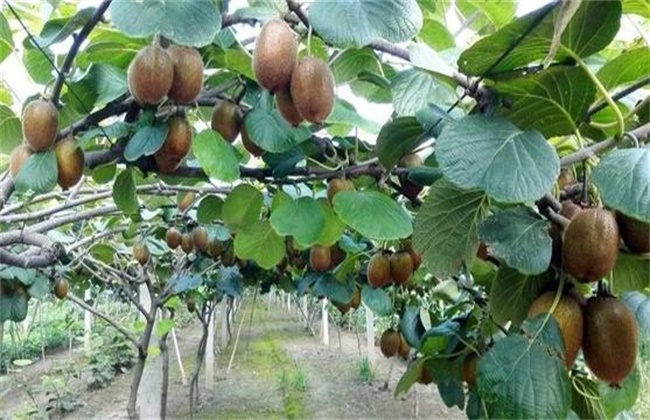
What are the key points for autumn management of kiwifruit orchards?
Key points for autumn management of kiwifruit orchards
-
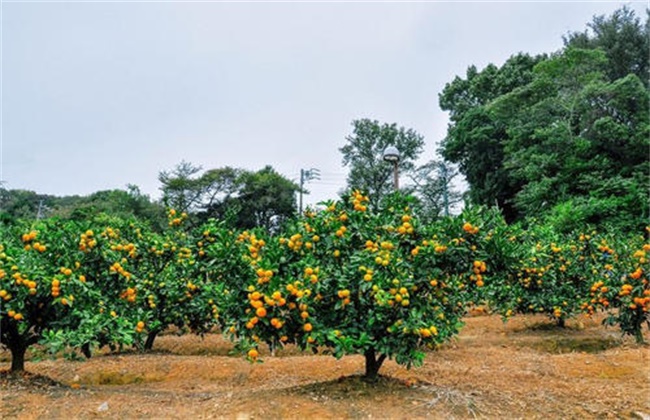
Key Technical Points for Drought Resistance in Orchards During the High-Temperature Season
Drought Resistance Techniques for Orchards in the High-Temperature Season
-
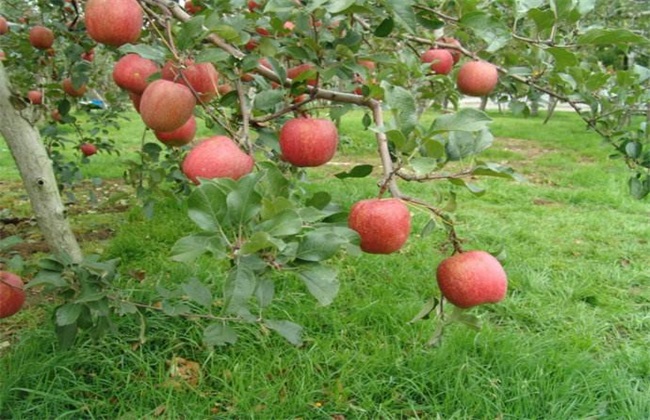
What are the key technical points for summer management of apple orchards?
Key Technical Points for Summer Management of Apple Orchards
-

-
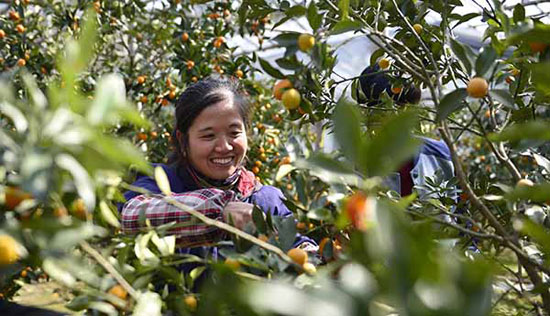
In Jiangxi, kumquats hang heavy on every branch in spring, and the kumquat orchards are as beautiful as a painting in spring
Jiangxi has kumquats hanging heavy on every branch in spring
-
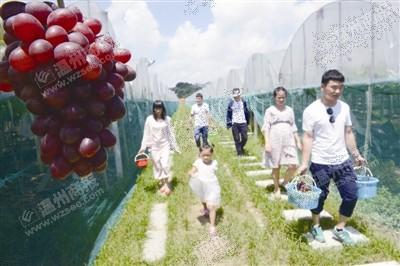
Night grape picking avoids the daytime heat; orchards embrace the moonlight economy
Too hot during the day, orchards turn to the moonlight economy; night grape picking is truly "fresh"
-
High returns from intercropping mushroom cultivation in citrus orchards
The author succeeded in growing mushrooms between the rows of a densely-canopied citrus orchard, achieving a double harvest of both citrus and mushrooms. Large-scale promotion has shown that generally each mu of orchard produces more than 3000 kg of citrus per year, worth 4000 yuan; and 800 kg of fresh mushrooms, worth 3200 yuan. After deducting production costs of 1500 yuan, the total net income is more than 5700 yuan, which is more than 2000 yuan higher than growing citrus alone. Intercropping mushrooms in the orchard also helps to increase humidity, retain warmth and improve the soil. 1 Raw material preparation Each mu requires 1500 kg of dry wheat straw (rice straw or sawdust may also be used), 20 kg of lime and 15 kg of urea
-
Key Technical Points for Autumn and Winter Management of Pear Orchards
Autumn and winter is an important period when pear trees shed their leaves and enter dormancy. Strengthening the management of pear orchards in autumn and winter is beneficial to the growth, flowering and fruiting of pear trees the following year. 1. Rational fertilization: By the end of November, apply a deep autumn fertilizer to the pear orchard once, and the amount applied should account for more than 30% of the total annual fertilizer application, mainly organic fertilizers such as decomposed oil cake fertilizer, residue fertilizer, composted manure and human and livestock manure. The method is: at the drip line of the canopy of adult pear trees, dig 1-2 ring-shaped fertilization pits about 60 cm long and 25 cm deep and 25 cm wide, and apply 30-40 kg of decomposed human, livestock and poultry manure water fertilizer per tree.
-
How to control insect and mite pests in citrus orchards? Rotenone-cypermethrin EC is the first choice
Spring returns to the earth, and the citrus orchard has also put out tender green spring shoots, full of vitality. However, as long as you observe carefully, after the long winter rest, insect, mite and disease damage in the citrus orchard is also quite serious. According to our field observations, the pests currently occurring in citrus orchards include scale insects, aphids and various whiteflies, and the harmful mites include red spiders and rust mites, etc.; in addition, sooty mold disease in ordinary citrus orchards is also quite serious. Control should be carried out early, so as to treat it early, treat it when there is little, and treat it until it is gone. Red spiders, rust mites, scale insects and various whiteflies are all tiny pests with strong resistance that have given people headaches in recent years.
-
High-yield cultivation technique for three successive crops intercropped in jujube orchards
The jujube tree (Ziziphus jujuba) has relatively strong growth adaptability and is a tree species that prefers warmth and light. When the spring temperature reaches 13-15°C, it begins to sprout branches; when the monthly average temperature is above 17°C, flower buds begin to differentiate; when it is above 2O°C, it flowers; the suitable temperature for fruit ripening is 18-22°C; when the temperature drops to 15°C, it begins to shed leaves. Because of its characteristics of late sprouting, early leaf fall, and little shading, it is suitable for intercropping with grain, cotton, and vegetables, and the economic benefits are very considerable. The following introduces the high-yield technique for interplanting three successive crops in one year in a jujube orchard. 1. Key points of jujube cultivation techniques
条件筛选