-
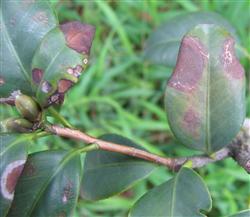
Detailed Guide to Identifying and Controlling Common Camellia Diseases
What diseases of camellias need to be controlled? How should they be controlled? Please give an introduction. The diseases that camellias need to be controlled include: anthracnose. [Cause and symptoms] This disease is caused by the fungus Colletotrichum gloeosporioides infecting camellia leaves. This is the main disease of camellias, with an incidence rate of 33%. Symptoms mostly appear on the leaf margins, leaf tips, and both sides of the veins....
-
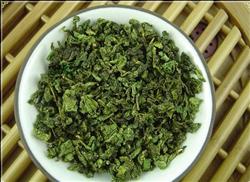
How to Identify Tea? Master These Methods to Easily Tell Good from Bad
How should tea be identified? An introduction. Tea comes in many categories, mainly divided into 6 major types: black, green, yellow, white, dark and oolong. After consumers choose the type of tea they want, they should pay attention to identifying the quality of the tea. This can be done by examining the shape of the tea leaves, the color, the aroma of the dry tea and other aspects. If conditions allow, it can also be done by brewing, ...
-
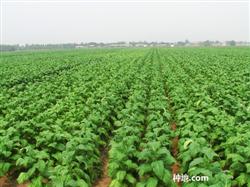
Is your tobacco suffering from pesticide damage? Teach you a quick way to identify it
What should you pay attention to when growing tobacco? Tobacco plants are tall with dense leaves and have a high water requirement during their growth period. However, too much or too little water is harmful to growth. Hunan has abundant rainfall, but it is unevenly distributed. During the rosette to rapid growth stage, tobacco leaves have a high water requirement, but rainfall during this period tends to be excessive, and flash floods often occur. Therefore, ...
-
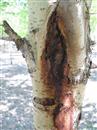
A Detailed Guide to Identifying and Managing Poplar Canker Disease
The typical symptoms of poplar canker disease fall into two types: the canker type and the dieback type. In the early stage of the canker type, brown circular or oval, water-soaked or blister-like lesions appear on the bark of the affected trunk; pressing them by hand causes liquid to ooze out, and after the blisters rupture, a liquid with a distiller's grains odor flows out. The diseased area then shrinks and collapses into a canker lesion, and the cortex at the lesion turns brown...
-
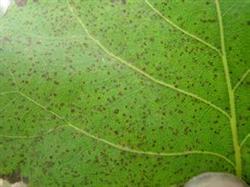
How to identify and control poplar brown spot disease?
Poplar brown spot disease is a common leaf disease, mainly affecting Chinese white poplar (Populus tomentosa), Simon poplar (Populus simonii), and Manchurian catalpa willow (Salix matsudana). In the early stage of the disease, small yellowish-brown spots appear on the surface, gradually expanding, with the edges being lighter in color and neat, and in the later stage the center of the lesion turns brown, with black dots growing on it. After the black dots rupture, they release conidia, which are blown by wind...
-

A detailed guide to orchid variety identification methods, teaching you how to identify orchids
Methods for identifying orchid varieties
-

How to Tell Real Boxwood from Fake: A Few Tricks to Easily Identify Authenticity
Methods for Identifying Real and Fake Boxwood
-
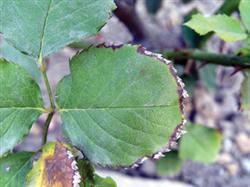
How to Identify and Control Black Spot on Roses? A Detailed Guide to Practical Methods
This disease occurs commonly and causes serious damage, resulting in heavy leaf drop in roses and enormous losses. The pathogen is a fungus of the genus Actinonema in the subphylum Deuteromycotina. 1. Symptom identification: At the initial stage of the disease, brown radial lesions appear on the leaf surface, which gradually expand into circular or nearly circular lesions with a diameter of 4-12 mm; in severe cases...
-

A Detailed Guide to Identifying and Treating Common Diseases of Plum Blossom
Common Diseases of Plum Blossom and Their Treatment
-

How to identify and control black spot on roses
This disease occurs commonly and causes severe damage, leading to massive leaf drop in roses and huge losses. The pathogen is a fungus of the genus Actinonema in the subphylum Deuteromycotina. 1. Symptom identification: In the early stage of the disease, brown radial spots appear on the leaf surface, which then gradually expand into circular or nearly circular spots with a diameter of 4-12 mm; in severe cases, the lower leaves drop early, and the disease gradually spreads upward until the upper leaves also fall off completely. Rainy and humid conditions are the main requirements for spore production; when there are water droplets on the leaf surface and the temperature is suitable, infection can occur in 6-10 hours, and symptoms appear in 3-6 days
条件筛选