Is your tobacco suffering from pesticide damage? Teach you a quick way to identify it
What should you pay attention to when growing tobacco? Tobacco plants are tall with dense leaves and have a high water requirement during their growth period. However, too much or too little water is harmful to growth. Hunan has abundant rainfall, but it is unevenly distributed. During the rosette to rapid growth stage, tobacco leaves have a high water requirement, but rainfall during this period tends to be excessive, and flash floods often occur. Therefore, ...
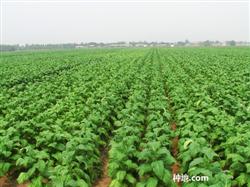 How do you identify whether tobacco has suffered pesticide damage?
If pesticides are used improperly and technical requirements are not strictly controlled, not only will they fail to achieve the effects of killing insects, preventing disease, controlling weeds, and regulating crop growth, but they can also cause abnormal growth and development or physiological symptoms in tobacco, such as yellowing leaves, severe leaf spots, wilting, scorching, stunting, slow growth, deformity, and even withering or death of the tobacco plant. When such symptoms occur, it is called pesticide damage. Crops affected by pesticide damage are divided by symptom type into three categories: acute pesticide damage, chronic pesticide damage, and residual pesticide damage.
(1) Acute pesticide damage symptoms: Acute pesticide damage symptoms appear very quickly, generally within 2 to 5 days after application, and the symptoms are also very obvious, manifesting as scorching, wilting, leaf drop, leaf curling, deformity, scorching of tender tissues, loss of green color and yellowing or etiolation, stunting, and so on.
(2) Chronic pesticide damage symptoms: After pesticide use, pesticide damage does not appear immediately and the symptoms are not obvious. It mainly affects physiological activities such as tobacco growth. Most cases manifest as reduced photosynthesis, slow growth and delayed development of results, smaller and deformed leaves, reduced yield or poorer quality, and deterioration of color. To identify chronic pesticide damage, generally compare with healthy tobacco.
(3) Residual pesticide damage symptoms: Caused by pesticides remaining in the soil or their decomposition products (in fact, this should also belong to chronic toxicity). This type of pesticide damage is mainly due to the relatively long residual period of some pesticides, which affects crop growth, and in the short term the symptoms are not obvious.
Click to get more tobacco cultivation techniques
Click to get more flower cultivation techniques