How to Identify Tea? Master These Methods to Easily Tell Good from Bad
How should tea be identified? An introduction
Tea comes in many categories, mainly divided into 6 major types: black, green, yellow, white, dark and oolong. After consumers choose the type of tea they want, they should pay attention to identifying the quality of the tea. This can be done by examining the shape of the tea leaves, the color, the aroma of the dry tea and other aspects. If conditions allow, it can also be done by brewing, smelling its aroma, tasting its flavor, and observing the color of the liquor, as well as the tenderness and color of the brewed leaves.
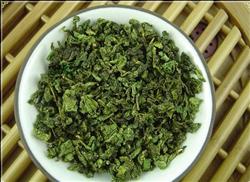
(1) Color. This includes the color of the appearance and the color of the liquor. New tea looks dry, hard and loose, with a fresh color, generally tender green. Old and stale tea is tight, dark and soft. When buying tea, the appearance color should be pure and glossy as good, and mixed and dull as inferior. The liquor color of tea is best when bright and clear, and poor when dull and deep.
(2) Aroma. Good-quality tea generally has a pure, correct aroma that refreshes the heart. If the tea's aroma is faint or completely absent, or if there is an off odor, then it is not good tea. For example, jasmine tea is loved by many consumers; this tea has a rich, fresh jasmine fragrance. If it lacks this aroma or has other odors, it indicates that the jasmine tea is of poor quality.
(3) Taste. This refers to the flavor of the tea liquid. New tea has a clear liquor color and ample aroma, while stale tea has a brown liquor color and poor fragrance. As for green tea and black tea, good-quality green tea tastes slightly bitter and astringent, then feels fresh and sweet after drinking, and the longer the aftertaste lasts, the stronger it becomes. If the bitter and astringent taste is heavy and the fresh sweetness is slight, then it is inferior tea. Black tea is best when it tastes sweet and refreshing, and inferior when bitter and astringent.
(4) Shape. This refers to the appearance of the tea leaves. Various famous teas each have their own appearance characteristics, in countless forms. Different varieties have different identification methods: for some varieties, you look at how much downy hair they have, with more being superior and less being inferior; for some varieties, you look at whether the strips are tight or loose, with tight being good and loose being poor. Good-quality tea should have a uniform appearance and contain few broken leaves and impurities.
Click to get more tea cultivation techniques
Click to get more flower cultivation techniques