-

How to prevent and control sesame diseases in hot and humid weather
Recently, some farmers have reported that some sesame plants show leaves curling upward and wilting, some report that sesame leaves wilt rapidly from the top downward, and others report that sesame leaves wither from the bottom upward. What diseases are these exactly? The farmers cannot figure it out either, and they are all asking agricultural technicians for technical guidance, telling them how to prevent and control these diseases. From the current climate factors, high temperatures accompanied by humidity easily trigger sesame diseases, especially in sesame fields with poor drainage, low-lying terrain, or continuous cropping, which are more susceptible to disease. From the sesame symptoms reported by farmers in various places
-

What kind of growing environment, temperature and humidity are suitable for tulips?
Growing environment: Tulips like direct sunlight and can tolerate partial shade. In partial shade or with insufficient light, the leaves become tender and thin, weak in their upright stance, and are prone to breaking above the ground. They like moisture and are not very tolerant of drought, especially from the growth stage to the flowering stage. Once the water supply is insufficient, the leaf tips scorch and wilt, and the flower buds cannot open normally.
-
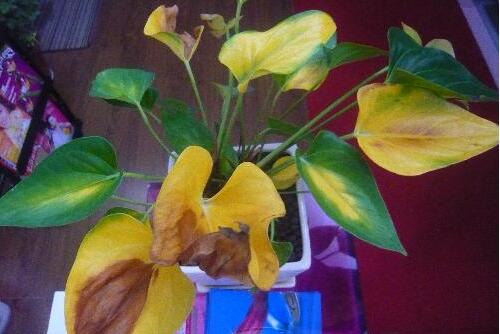
What to do when Glasswort leaves turn yellow? Increase ambient humidity and control watering frequency
Glasswort is a fairly common flowering plant in people's lives, with high ornamental value. Generally, if an ornamental plant develops yellow leaves, it greatly affects its beauty, and Glasswort is no exception. What to do when Glasswort leaves turn yellow? Below, the editor will walk everyone through it.
-
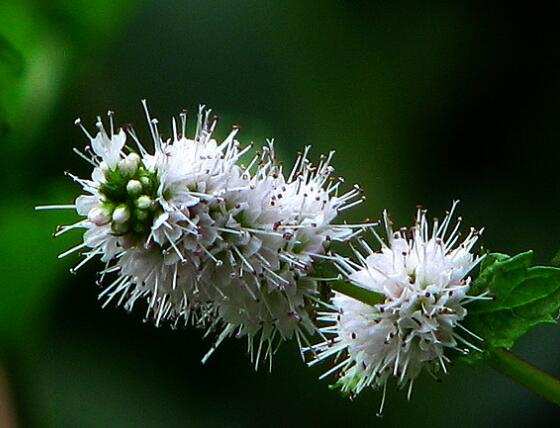
How to grow potted mint flowers? Cultivation methods and precautions to help you maintain humidity
Mint flower is a flower with high practical value and also has a certain ornamental quality, so many people want to grow one of these plants at home, but growing it requires mastering the methods. How do you grow potted mint flowers? What are the cultivation methods and precautions for mint flowers? Below, the editor will walk you through it.
-
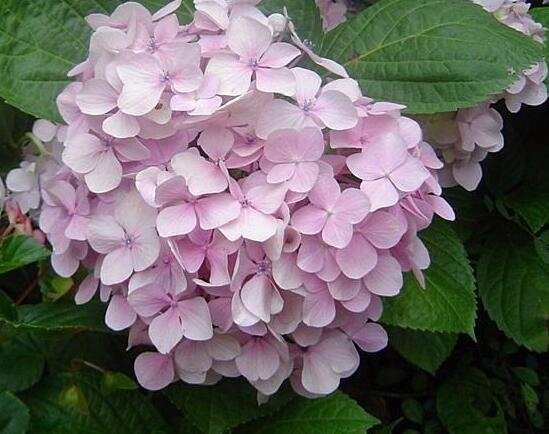
How to grow Hydrangea macrophylla? Cultivation methods and precautions, humidity is key
Hydrangea macrophylla, also known as hydrangea, is a very famous ornamental plant flower nowadays, so the hydrangea we usually see generally appears before us as a garden flower. So how do you grow the beautiful hydrangea? Below, we will introduce the cultivation methods and precautions for hydrangea.
-
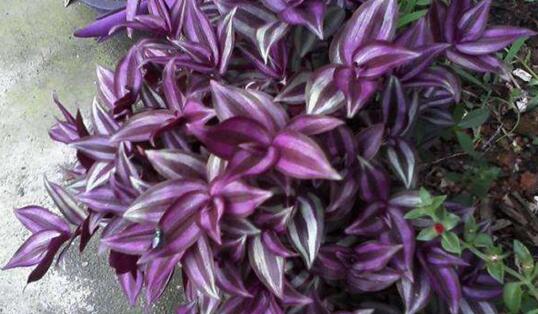
Tradescantia zebrina care guide and things to note: humidity is key
Tradescantia zebrina is well known for its distinctive leaves. It is precisely because of its extremely high ornamental value among the benefits and uses of Tradescantia zebrina that people often grow it in pots and hang them on walls. So how do you grow Tradescantia zebrina to make it look even better? Today we will take a detailed look at the care guide and things to note for Tradescantia zebrina.
-
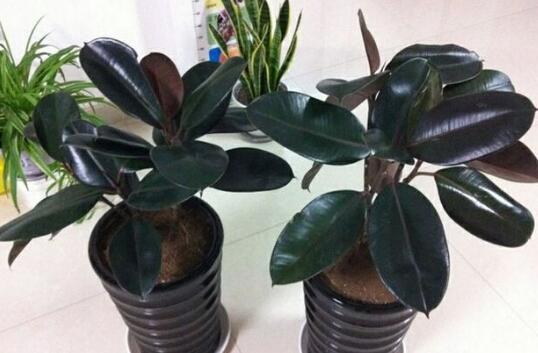
How to grow a rubber plant (Ficus elastica)? Growing methods and precautions, the environment should be humid
We know that the rubber plant has a great many uses and benefits. It originated in Brazil, but it is grown in many places in China. It is not only attractive but also very easy to keep alive, provided you understand certain techniques. So how do you grow a rubber plant? Let's take a look at the growing methods and precautions for the rubber plant
-
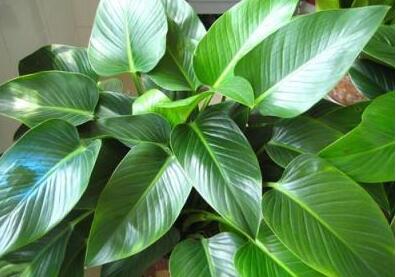
How to grow a Philodendron 'Imperial Green'? Care methods and precautions, the environment should be semi-shaded and humid
Philodendron 'Imperial Green' is a very easy-to-grow and highly useful plant. It has strong vitality yet can play a great role. For example, among the functions and benefits of the Philodendron 'Imperial Green', it can purify the air, be placed indoors for viewing, and so on
-
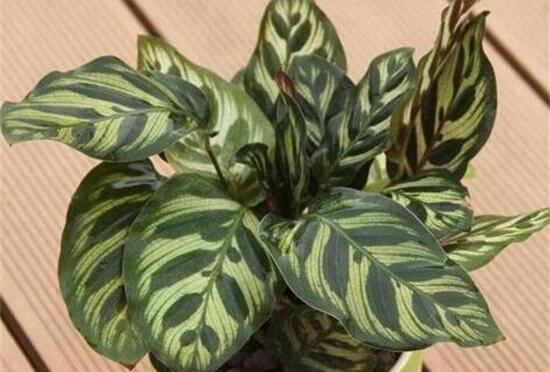
What to Do When Calathea makoyana Leaves Curl? Adjust Temperature, Increase Humidity, and Water Moderately
For Calathea makoyana, those who have seen it should be deeply impressed. Its leaves are not only evergreen all year round, but also bear a peacock feather pattern, which is truly remarkable. Because of its ornamental value, many people keep Calathea makoyana at home, but as they care for it, its leaves start to curl. What is going on here?
-
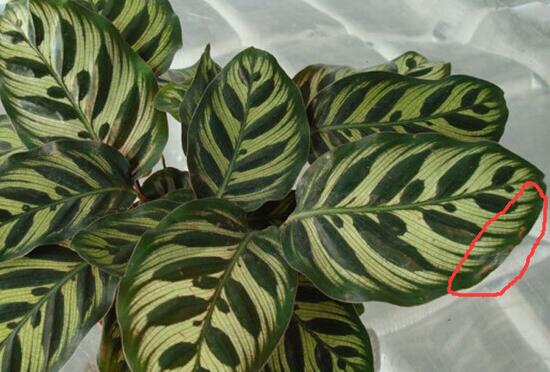
3 Causes of Brown, Crispy Leaf Edges on Calathea makoyana and How to Fix Them - Humidity Must Not Be Low
Calathea makoyana, named for the peacock-feather pattern on its leaves, is a world-famous foliage plant often placed indoors by plant lovers. However, when grown indoors, for various reasons, its leaves can turn yellow and develop crispy edges. So what should you do when Calathea makoyana leaves have crispy edges? On this
条件筛选